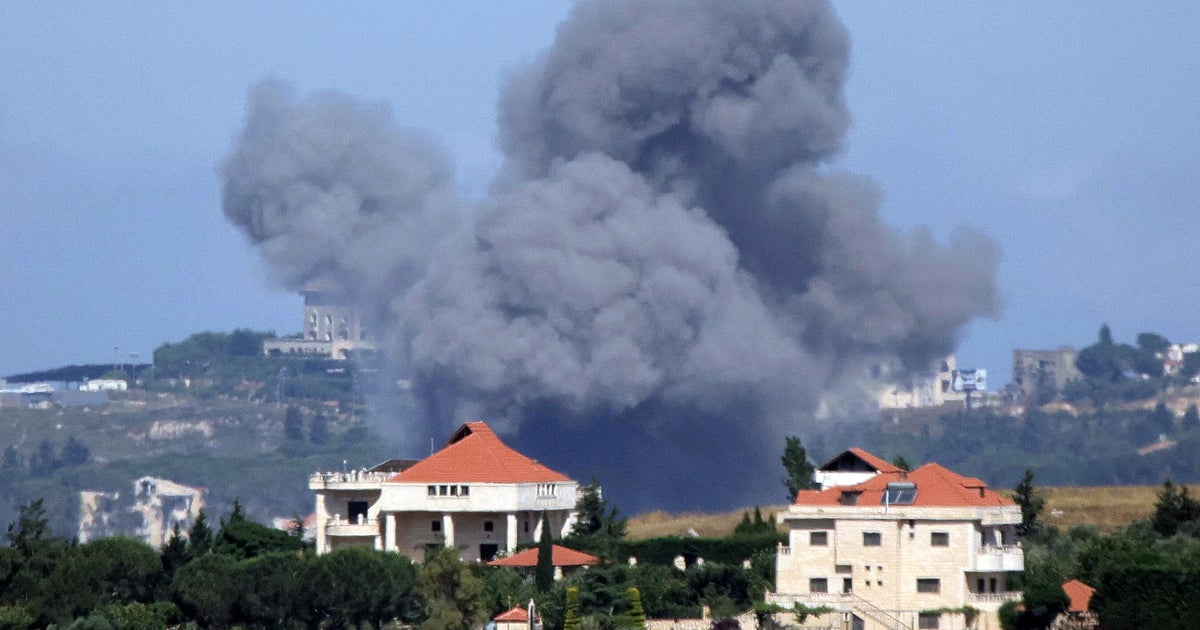
The Iran conflict remains volatile, with the U.S. shooting down six Iranian attack drones over two days and intercepting seven ballistic missiles fired at Kuwait and Bahrain, while also striking Iranian radar sites in response. The standoff is disrupting maritime traffic in the Strait of Hormuz and has already redirected 129 commercial vessels, a material risk to oil flows and broader supply chains. U.S.-Iran talks are described as deadlocked, and Treasury is weighing use of frozen Iranian assets for Gulf ally reconstruction.
The market is still underpricing the distinction between tactical de-escalation and strategic resolution. Even if headline strikes pause, the energy complex is now trading a regime where marginal supply disruption risk in the Strait of Hormuz creates convex upside in crude, diesel, LNG shipping, and marine insurance, while the downside in a durable ceasefire would likely arrive slower than the headline compression because inventory rebuilding and routing normalization take weeks, not days.
The more interesting second-order effect is that Gulf allies become both victims and financiers of the reconstruction bill. If frozen Iranian assets are redirected to repair regional damage, that creates a precedent for quasi-asset-seizure that could ripple through sovereign reserve management and raise political risk premia on cross-border capital in the GCC. It also strengthens the bargaining leverage of states hosting U.S. forces, which should support defense spending, missile defense procurement, and logistics contracts even if the shooting de-escalates.
Consensus is likely too linear on oil: it assumes any talk breakthrough immediately collapses prices. But the trading reality is that physical flows can remain constrained while negotiations drag, and the market will demand a real decline in intercepts, drone launches, and vessel redirections before rerating risk. The bigger tail risk is not just higher crude; it is a persistent insurance-and-freight shock that leaks into chemical, fertilizer, and food inflation, keeping rates higher for longer and pressuring EM importers.
A contrarian point: the harshest reaction may already be behind defense names if investors assume a short war. The more durable winners are the unglamorous infrastructure and supply-chain proxies that monetize prolonged maritime friction, not just direct weapons exposure. If ceasefire talks fail again, the next leg likely comes from sanctions enforcement and shipping bottlenecks rather than airstrikes alone.
AI-powered research, real-time alerts, and portfolio analytics for institutional investors.
Request TrialOverall Sentiment
strongly negative
Sentiment Score
-0.72
