
Tuya Smart dévoile Doova à l'IFA 2026, un robot IA d'assistance domestique conçu pour aider les seniors à vivre de manière autonome
Source: PR Newswire
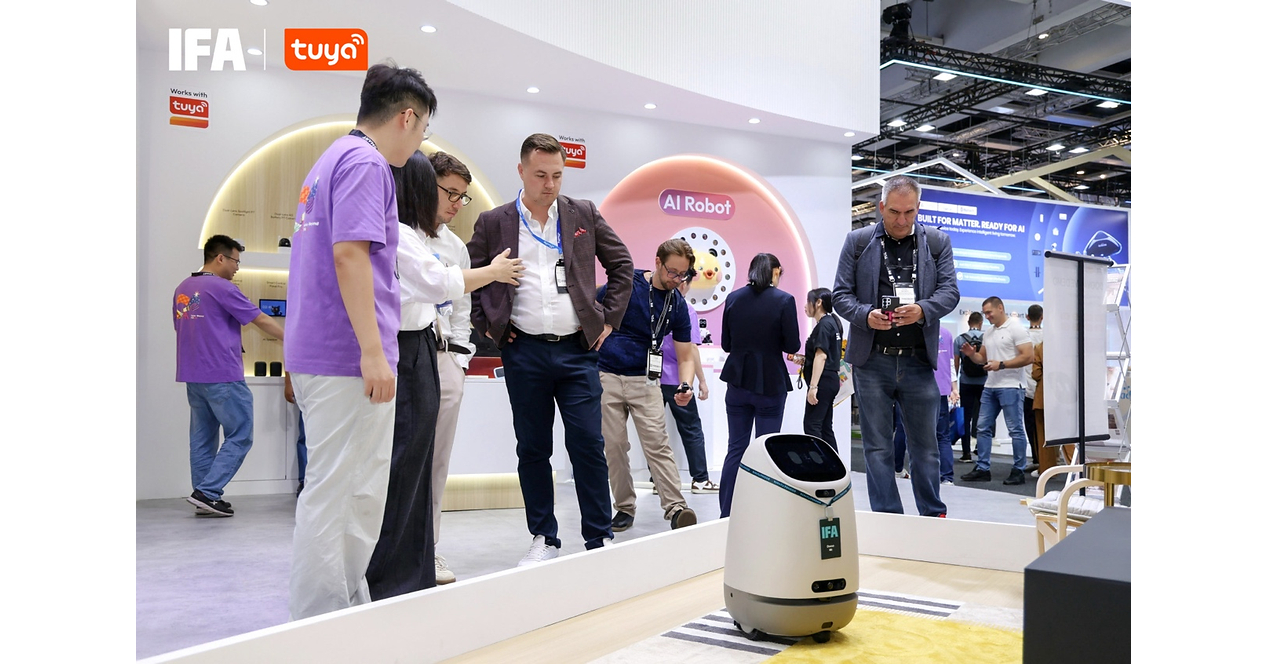
Tuya Smart a dévoilé Doova à l'IFA 2026, un robot domestique alimenté par l'IA destiné aux seniors vivant seuls. Le robot combine détection de chutes par LiDAR, microphones et vision artificielle, avec déclenchement d'une alerte vidéo aux proches après 60 secondes sans réponse. Doova sert également d'assistant conversationnel multimodal, de hub de maison connectée et de dispositif de surveillance autonome, élargissant l'écosystème AIoT de Tuya vers le marché du vieillissement à domicile.
Analysis
This is strategically more important as a proof point for Tuya's shift from low-value IoT enablement toward a recurring, service-layer AI platform than as a near-term hardware revenue event. A credible eldercare deployment could raise cloud attach rates through emergency monitoring, family connectivity, and device-management subscriptions; however, no pricing, launch date, manufacturing partner, distribution channel, or contracted customer has been disclosed. Until those are disclosed, the market should not capitalize an incremental revenue stream.
The competitive exposure is asymmetric: TUYA can provide the interoperability layer without carrying the full inventory, warranty, and last-mile service burden that would challenge a standalone robot OEM. Conversely, Amazon (AMZN), Alphabet (GOOGL), Samsung, Xiaomi and Chinese service-robot vendors have larger consumer distribution, voice ecosystems, and ability to subsidize hardware; Tuya's neutral-platform positioning only matters if third-party brands adopt it. In eldercare, the commercial buyer may ultimately be insurers, senior-living operators, or telecoms rather than households, implying a 6-18 month enterprise sales cycle and high requirements around reliability, privacy, liability, and emergency-response integration.
Near term, this is likely sentiment support rather than an earnings catalyst. The contrarian issue is that embodied-AI demos commonly monetize poorly because customers value fall detection and remote monitoring but resist paying for broad conversational functionality; a lower-cost fixed-camera/wearable solution can substitute for much of the use case. The thesis becomes investable only if Tuya identifies a channel partner and reports paid deployments or recurring ARPU, while gross margin remains above its core platform level rather than being diluted by hardware subsidies.
AllMind Terminal
AI-powered research, real-time alerts, and portfolio analytics for institutional investors.
Request TrialMarket Sentiment
Overall Sentiment
mildly positive
Sentiment Score
0.32
Ticker Sentiment
Key Decisions for Investors
- Maintain TUYA as a watchlist long rather than initiate on the launch; reassess over the next 1-3 months only if management discloses retail/enterprise pricing, a manufacturing partner, and initial order commitments. The key upside trigger is evidence of recurring cloud/service revenue, not unit demonstrations.
- For an existing TUYA position, add only after a disclosed paid rollout or after the next earnings call confirms AI-related revenue contribution and stable gross margin; size modestly given likely hardware execution and China/consumer-tech multiple risk.
- Use a relative-value screen: long TUYA versus a broad China internet/consumer-tech proxy only if verified deployment traction emerges, since this would isolate platform monetization from market beta. Exit if management frames Doova primarily as a branded hardware initiative without subscription economics.
- Set falsification alerts for (i) no commercialization update by the next two reporting periods, (ii) a material decline in platform gross margin from robot-related hardware/support costs, or (iii) privacy, safety, or emergency-response regulatory constraints that delay deployment.
More News
- OpenAI Trims Target Value & Volvo Cars Cuts 2,500 Jobs
- PG&E’s CEO says AI is ‘the best thing that could’ve ever happened to the grid’
- The mobile ambitions of SpaceX see telecom stocks get hit again. What the latest developments mean.
- Wake up! The long bond’s up two points!
- US tech stocks tumble as investors fret over AI spending
- Mark Zuckerberg owns 13% of Meta but controls 61% of its votes. California’s wealth tax would bill him on the 13%