
EpilepsyGTx y Viralgen impulsan un programa de terapia génica con vectores AAV para la epilepsia
Source: PR Newswire
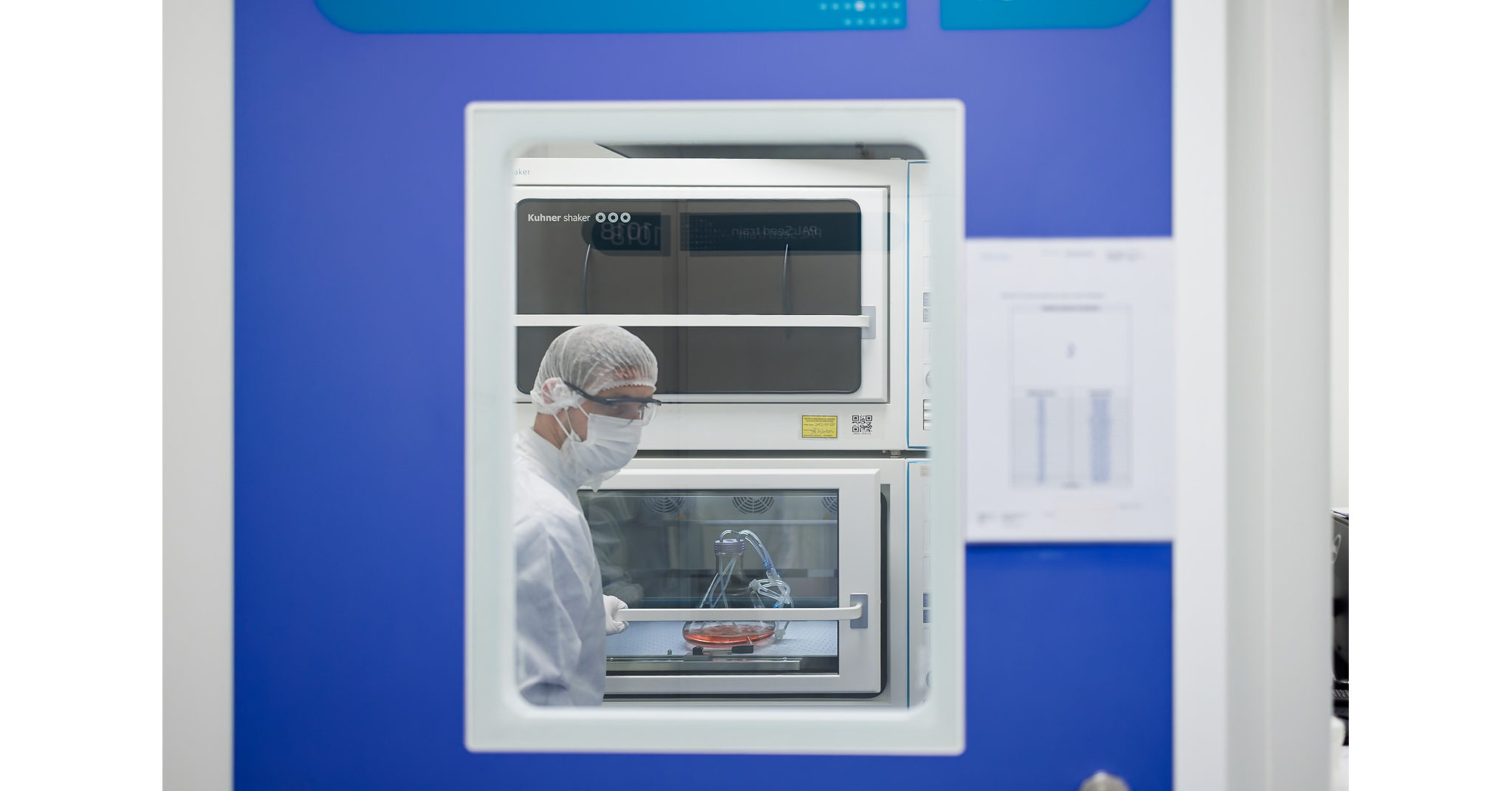
EpilepsyGTx selected Viralgen to manufacture EPY201, an investigational AAV9 gene therapy for refractory focal epilepsy, ahead of first-in-human trials planned for H1 2027. Viralgen’s Aava platform, which has supported more than 1,500 AAV batches, is intended to provide scalable production for a disease affecting roughly 10 million patients globally. The partnership de-risks manufacturing readiness for EPY201 but remains preclinical, with no human efficacy or safety data reported.
Analysis
The direct listed-equity read-through is limited: BAYN's exposure is through a non-core manufacturing subsidiary, and a single preclinical client contract is immaterial to consolidated earnings. The more relevant signal is strategic validation of Bayer/AskBio's AAV manufacturing infrastructure, which could modestly improve the perceived monetization value of Viralgen if it demonstrates repeatable external utilization, but it is unlikely to alter BAYN's near-term valuation without disclosed contract economics, capacity utilization, or additional multi-program awards.
For the gene-therapy complex, the bottleneck is shifting from vector supply to clinical translation and delivery precision. Local CNS administration may reduce systemic dosing requirements and therefore manufacturing cost versus intravenously delivered AAV programs, but it introduces procedure-site variability, neurosurgical adoption friction, and narrow eligibility. A successful first-in-human start is not a clinical efficacy catalyst; meaningful value inflection will require durable seizure-frequency data and a clean safety profile, likely 12-24 months after trial initiation.
The contrarian point is that scalable AAV capacity is becoming less scarce as demand from several systemic AAV programs has been tempered by safety, durability, and reimbursement constraints. External CDMO wins matter only if they convert into commercial-scale volumes; early-development batches can validate capability while contributing little margin. The principal upside optionality for BAYN is a broader pipeline of third-party AAV contracts or a strategic transaction around AskBio/Viralgen, neither of which is evidenced here.
AllMind Terminal
AI-powered research, real-time alerts, and portfolio analytics for institutional investors.
Request TrialMarket Sentiment
Overall Sentiment
moderately positive
Sentiment Score
0.42
Ticker Sentiment
Key Decisions for Investors
- No directional BAYN trade on this announcement; treat it as a watch-item rather than an earnings catalyst. Reassess only if Bayer discloses Viralgen revenue, utilization, backlog, or multiple external programs with commercial supply commitments.
- Maintain a relative-quality bias within CNS gene therapy toward companies with human durability data rather than preclinical platform claims; avoid extrapolating this manufacturing agreement into valuation support for early-stage private gene-therapy assets over the next 6-12 months.
- Set an event alert for EPY201 IND/CTA clearance and first-patient dosing in 1H27. A regulatory delay, manufacturing comparability issue, or dose limitation would reinforce the view that this collaboration has no investable BAYN impact; timely initiation alone would be only modestly positive.
- For BAYN holders, the relevant falsifier for any manufacturing-optionality thesis is management disclosure showing that external AAV activity remains immaterial or that Viralgen capacity is underutilized; absent quantitative evidence, do not assign incremental sum-of-the-parts value.
More News
- Here’s the ‘core economic flaw’ in the AI bull case as stock and bond trades unravel, according to a top economist
- 5 big analyst AI moves: ’Uniquely catalyst-rich’ months ahead for SpaceX
- Brookfield to open Qatar office as it expands Middle East operations
- Xencor reports phase 1 data for cancer drug XmAb819
- The experience economy keeps defying expectations. Maybe we’ve been looking at it all wrong
- The U.S. military and NASA have power problems. Nuclear microreactors might solve both