
Une énergie propre pour tous : BLUETTI et ONU-Habitat étendent leur action conjointe au Nigeria
Source: PR Newswire
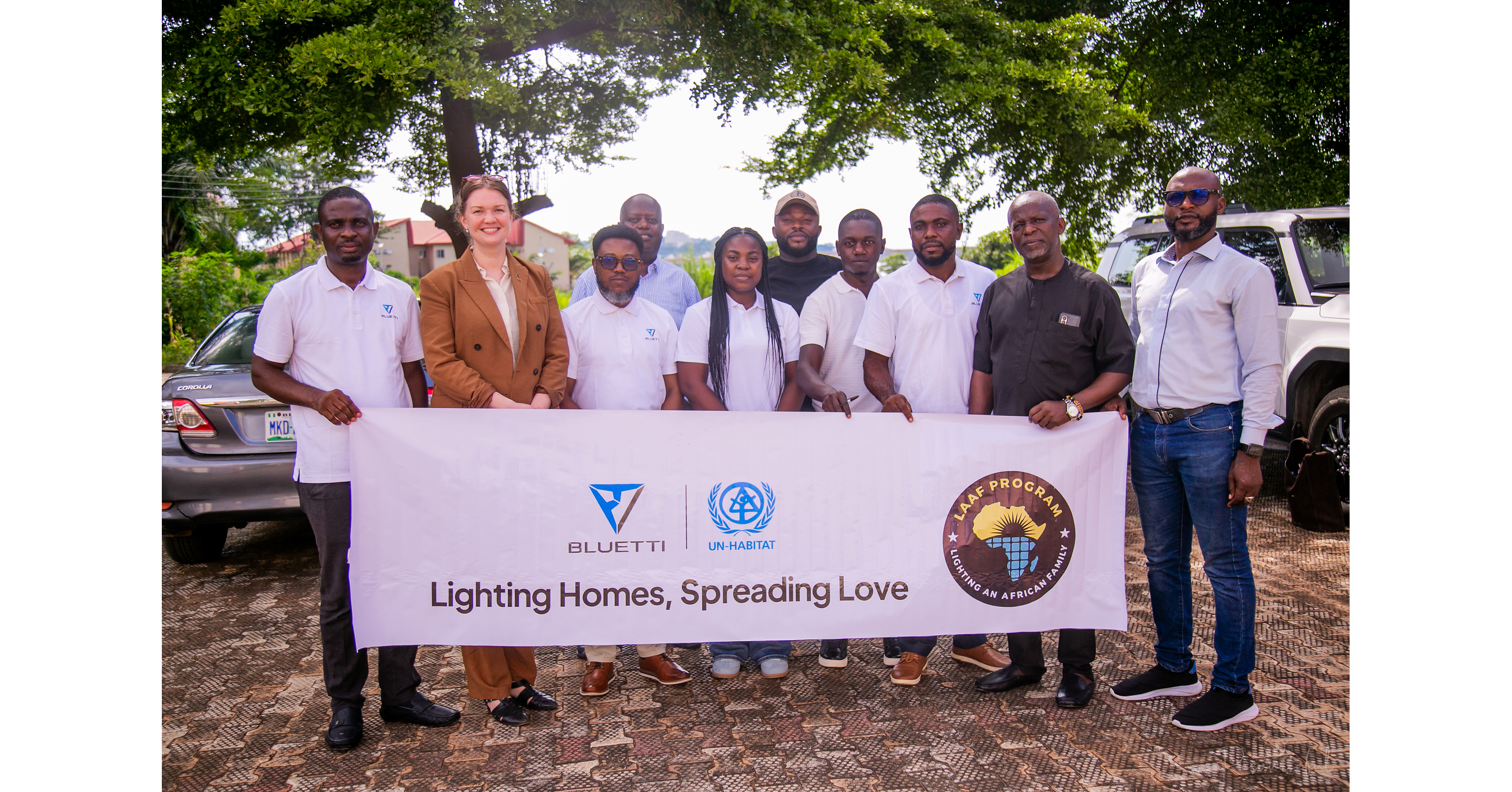
BLUETTI and UN-Habitat expanded their clean-energy access program to Nigeria, donating 230 solar lighting and PB200 storage kits, including 180 kits for vulnerable households in Yelwata, benefiting more than 1,000 residents. The broader Lighting An African Family program has supported over 60,000 people across Africa and is projected to reduce carbon emissions by roughly 337.5 tonnes over five years. The initiative advances social and environmental goals but is unlikely to have a material market impact.
Analysis
This is not investable demand evidence for listed clean-energy companies: the deployment scale is immaterial to revenue, and BLUETTI is privately held. The more relevant signal is strategic—distributed solar-plus-storage is increasingly being positioned through development partners as essential infrastructure in weak-grid markets, which can improve long-run channel access and consumer familiarity for portable-power vendors without establishing near-term earnings visibility.
The second-order beneficiary set is upstream battery and low-voltage solar hardware, but only if philanthropic pilots convert into procurement frameworks backed by governments, NGOs, telecom operators, or development-finance institutions. Listed proxies such as BYD (1211 HK), Sungrow (300274 CH), and Canadian Solar (CSIQ) have scale and emerging-market distribution, yet their economics depend far more on tender volumes, FX collection risk, import rules, and local-service costs than on project publicity.
Near term, no trade is warranted. Over 6-18 months, monitor Nigeria’s electrification tenders, World Bank/IFC-backed distributed-energy financing, and mobile-money or pay-as-you-go repayment data; these would validate whether off-grid systems move from donated units to repeatable commercial demand. The thesis is falsified by naira depreciation, reduced subsidy/DFI funding, elevated import barriers, or payment-default trends that make unit growth value-destructive.
Contrarian view: ESG announcements can overstate addressable-market conversion. In frontier power markets, the binding constraint is usually consumer financing and after-sales maintenance—not hardware availability—so companies with local credit underwriting and service networks should capture more value than battery suppliers alone.
AllMind Terminal
AI-powered research, real-time alerts, and portfolio analytics for institutional investors.
Request TrialMarket Sentiment
Overall Sentiment
moderately positive
Sentiment Score
0.42
Key Decisions for Investors
- No immediate position: treat this as a watch item rather than a renewable-energy catalyst; the disclosed activity is not material enough to alter earnings estimates or valuation.
- Create an alert for Nigeria or regional DFI-backed mini-grid/off-grid procurement programs above meaningful commercial scale; reassess long CSIQ or Sungrow only when contract value, payment terms, and FX protections are disclosed.
- For emerging-market distributed-energy exposure, favor businesses with financing and local-service capability over pure equipment suppliers; do not extrapolate donated-unit volumes into revenue growth without evidence of paid replacement demand.
- Risk monitor over the next 1-3 months: naira moves, solar-equipment import policy, and Nigerian consumer-credit performance. A sharp FX decline or new import restrictions would weaken margins and demand conversion for any prospective hardware exposure.
More News
- China’s tech darlings are losing their shine. Here’s what’s behind the sell-off
- Can Southeast Asia pitch itself as an ‘all-in-one’ chip hub?
- SK Hynix says the memory-chip shortage will last until 2030—and more than half its production is booked for the next two years
- Lula's Brazil Election Win Deepens Latin America Stock Fund Collapse
- Trump methane policy rollback may have minimal impact on crude prices, EPA says
- Italy approves 2027 budget with tax hikes on banks and energy firms