
Yen Plunges After BOJ Fails to Meet Market Demands With Rate Hike
Source: Bloomberg
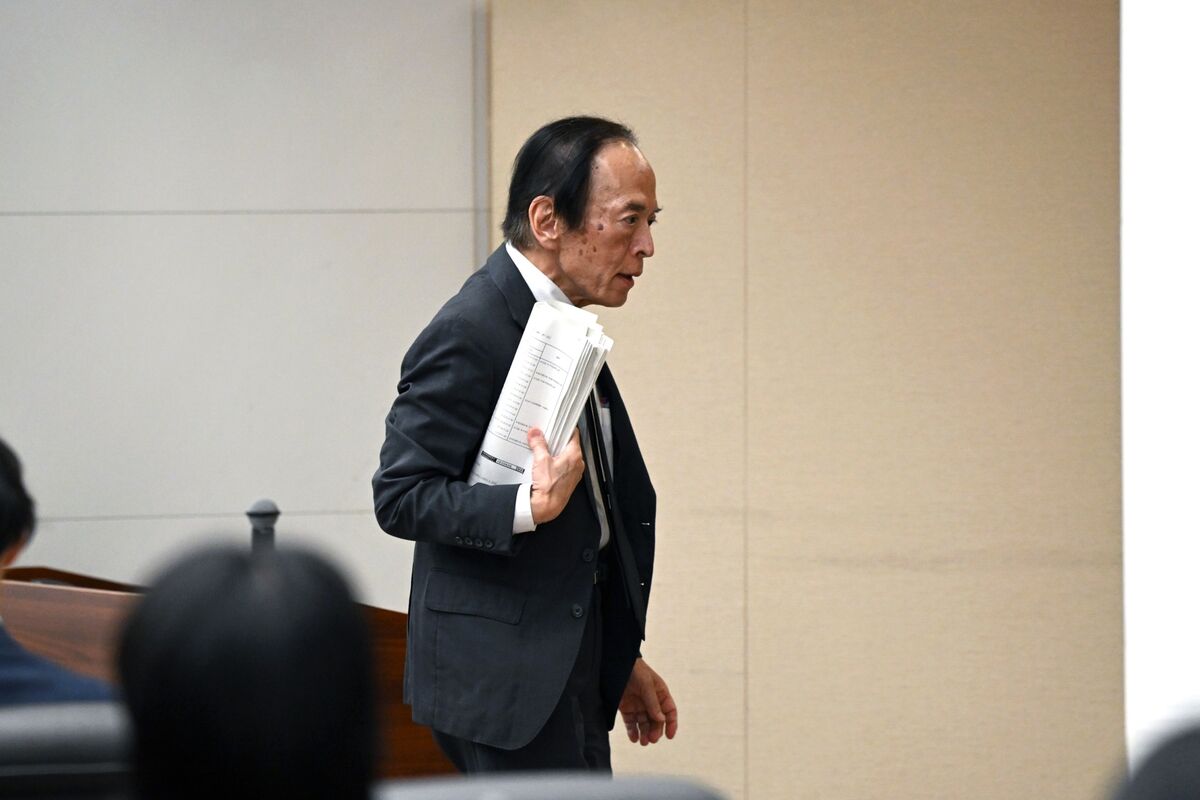
The Bank of Japan raised its policy rate 25bps to 1.25%, but the yen nevertheless fell as much as 1.3% against the US dollar. A dissenting 2-7 board split, with Toichiro Asada and Ayano Sato opposing the increase, and mixed messaging from Governor Kazuo Ueda signaled internal resistance to further tightening. The currency selloff partly reversed Japanese and US authorities' efforts to support the yen and may heighten concern over the BOJ's policy credibility.
Analysis
The market is pricing the policy path rather than the level of the overnight rate: a divided BOJ raises the probability that further normalization will lag inflation and wage persistence, preserving the JPY-funded carry trade. That is constructive near term for Japanese equities with offshore revenue and for global risk assets financed through yen borrowing, but it reintroduces a credibility problem if imported inflation rises. The immediate beneficiaries are USD earners such as Toyota (TM), Sony (SONY) and Keyence (6861 JP), while domestic-demand sectors with high imported-input exposure face a margin headwind.
For MUFG (MUFG) and SMFG (SMFG), the signal is mixed. A higher policy rate incrementally improves deposit repricing and securities reinvestment yields over 6-18 months, but the FX response implies that long-end JGB yields may not rise enough to deliver the NIM expansion currently embedded in bank expectations. The more non-obvious risk is renewed Ministry of Finance intervention: a disorderly USD/JPY move can produce a sharp, temporary yen rally that hurts exporters and forces carry-trade deleveraging across EM FX, high-beta tech, and credit within days.
Consensus may overstate the bullishness of a weaker yen for Japan. Exporter translation gains are less valuable if firms retain conservative full-year FX assumptions and use the upside to fund price concessions abroad; the larger earnings sensitivity is in companies with production concentrated in Japan, not broad EWJ exposure. Over the next 1-3 months, US payrolls, CPI and Treasury yields matter more for USD/JPY than another incremental BOJ move; a soft US inflation sequence would unwind the dollar leg even without a hawkish BOJ pivot.
AllMind Terminal
AI-powered research, real-time alerts, and portfolio analytics for institutional investors.
Request TrialMarket Sentiment
Overall Sentiment
moderately negative
Sentiment Score
-0.35
Key Decisions for Investors
- Tactically long TM and SONY versus short EWJ for 4-8 weeks: target relative outperformance of 4-6% if USD/JPY remains elevated, with a 2% relative stop if USD/JPY falls below its post-decision low or Japanese officials escalate intervention rhetoric.
- Do not chase a broad long MUFG/SMFG on the policy move. Maintain only a watch item for a 6-18 month bank long if 10-year JGB yields rise sustainably and management raises FY NIM guidance; absent that, FX-driven inflation risk can lift funding costs without sufficient asset-yield repricing.
- Buy limited-risk JPY upside via FXY calls or USD/JPY puts dated 2-3 months as a hedge against intervention and US-rate downside. Size as insurance rather than a directional core position; the thesis is falsified if US yields resume rising and USD/JPY breaks higher without an official response.
- Reduce exposure to crowded yen-funded carry proxies in EM FX and high-duration growth into the next US CPI/payroll cycle. A 2-3% abrupt JPY appreciation would likely matter more to cross-asset VaR than the direct Japan-equity effect.
More News
- Kevin Warsh just revealed a huge change for the Fed. The press missed it
- Bank of Japan Hike Could Reshape Yen Carry Trade
- Stocks face a key hurdle in next week’s U.S.-China summit. Here’s what’s at stake
- Three words from Kevin Warsh have Wall Street wondering how far the Fed will go with rate hikes
- Time for Cyclical Sector ETFs?
- What Is the Treasury Bonds Basis Trade, and Is It Over?