
GLOBAL Invests in Down Syndrome Healthcare: 10 New Awards to Expand Specialized Care Across the U.S. and in Canada
Source: globenewswire.com
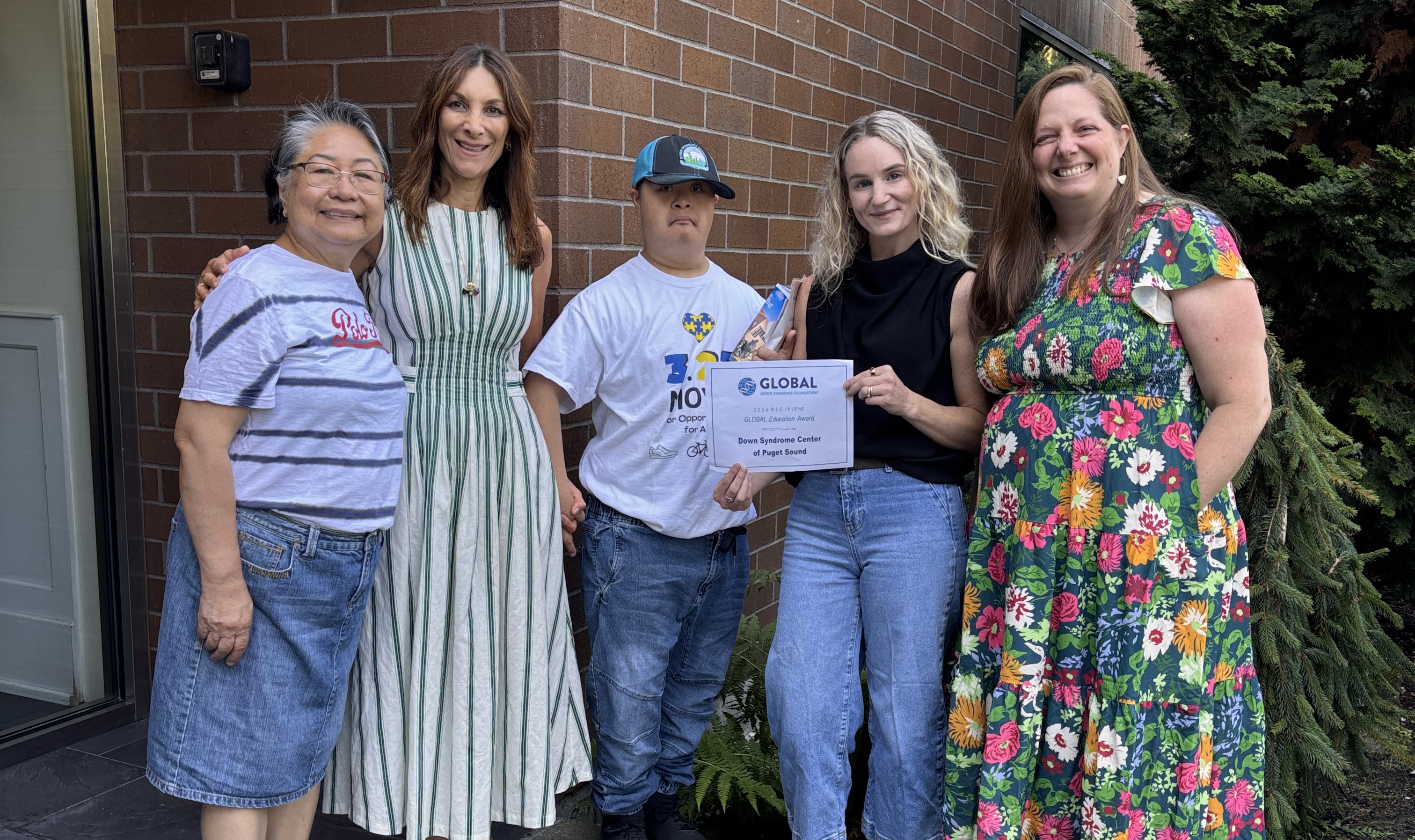
The Global Down Syndrome Foundation awarded a total of $75,000 through its 2026 GLOBAL Education Awards to 10 organizations in the U.S. and Canada. The awards recognize new programs intended to expand access and education in Down syndrome research, medical care, healthcare, and wellness.
Analysis
This is a small, nonprofit program-funding signal—not evidence of a change in commercial healthcare demand, treatment economics, or research funding at a scale likely to move listed healthcare or biotech valuations. Any benefit is concentrated among recipient organizations and may improve local education or care capacity; downstream effects on provider utilization or research enrollment would be indirect and unquantified. The potentially relevant second-order channel is better community engagement and access supporting future study recruitment, but that requires sustained funding and measurable participation, not a one-time award announcement.
Near term, there is no clear public-market catalyst. Over 1–3 months, the useful information will be whether recipients disclose specific programs, funding per organization, and implementation plans. Over 6–18 months, watch for evidence of durable follow-on funding or measurable improvements in access, care delivery, or research participation. The thesis weakens if programs do not launch or lack continuation funding. The optimistic framing should not be mistaken for proof of clinical or commercial impact.
AllMind Terminal
AI-powered research, real-time alerts, and portfolio analytics for institutional investors.
Request TrialMarket Sentiment
Overall Sentiment
mildly positive
Sentiment Score
0.20
Key Decisions for Investors
- No trade on the announcement alone; the disclosed funding is too small and diffuse to establish a material earnings or valuation impact for public companies.
- Treat recipient organizations as the direct beneficiaries, not the broader healthcare or biotech sector; do not infer benefits to any company absent a documented partnership or contract.
- Monitor recipient-level disclosures over the next 1–3 months for grant allocations, program launch dates, and follow-on funding; consider reassessing only if these establish a scalable, measurable channel.
- Falsify the longer-term access or research-enrollment thesis if programs fail to launch, continuation funding is absent, or recipients report no measurable participation or care-access outcomes.
More News
- Moderna and Merck say their mRNA cancer vaccine cut death, recurrence by 42%
- Moderna shares plunge after leak of partial cancer vaccine data
- Moderna's stock tumbles after reported leak of data for cancer vaccine
- Palmer Luckey teams with dire wolf billionaire Ben Lamm to launch $200 million Warhound, unleashing genetically engineered clone dogs of war
- Zai Lab raises $250 million in private placement financing
- Why Moderna stock plunged despite positive cancer vaccine trail results?