
PetSmart Charities Provides 44 Million Pet Meals as Food Insecurity Hits Highest Level in Nearly a Decade
Source: PR Newswire
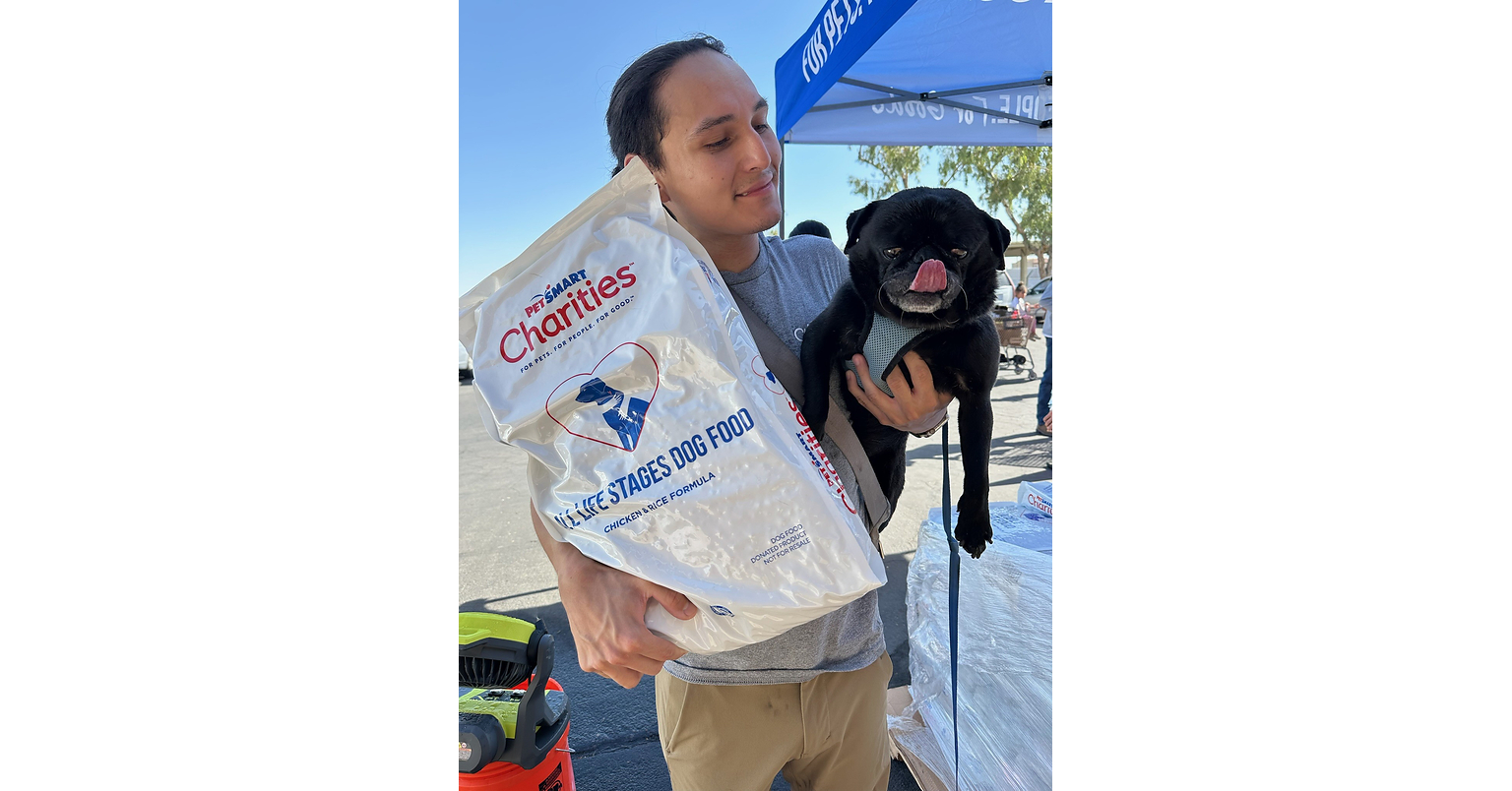
PetSmart Charities committed $7 million of pet food to U.S. food banks in 2026, targeting distribution of more than 44 million pet meals as nearly 48 million Americans face food insecurity. The charity expects to reach 480 million pet meals delivered by year-end, while its Feeding America partnership will surpass 70 million pounds of pet food distributed since 2017. The initiative addresses survey findings that 56% of pet owners have reduced other spending to afford pet food and 13% of those facing affordability issues have considered surrendering a pet.
Analysis
This is not a direct earnings catalyst: PetSmart is private and the charitable distribution is immaterial to publicly traded pet-food suppliers. The investable read-through is a modest confirmation that lower-income pet households are preserving pet ownership but shifting spending toward subsidized channels and lower price points. Over the next 1-3 quarters, that dynamic favors scale manufacturers with value-tier portfolios and distribution efficiency—Nestle (NSRGY) and J.M. Smucker (SJM)—over premium, discretionary pet retail exposure at Chewy (CHWY) and Petco (WOOF), where consumables traffic may hold up while mix, basket size, and gross margin weaken.
The non-obvious offset is that food-bank supply can reduce emergency shelter surrenders, marginally sustaining the installed pet base that drives recurring food, pharmacy, and veterinary spending. That is structurally supportive to category volumes over 6-18 months, but it does not ensure retailer monetization: incremental demand is being met outside commercial channels. Consensus could over-interpret pet-food resilience as a premiumization signal; in a stressed consumer environment, unit demand can remain stable while revenue growth and mix-led margins decelerate. The thesis is falsified if CHWY reports accelerating active-customer growth and gross-margin expansion despite food-stress indicators, or if SJM/Nestle report broad-based pet-food volume declines rather than a value-tier mix shift.
AllMind Terminal
AI-powered research, real-time alerts, and portfolio analytics for institutional investors.
Request TrialMarket Sentiment
Overall Sentiment
mildly positive
Sentiment Score
0.20
Key Decisions for Investors
- No event-driven position from this release; treat it as a low-signal consumer-stress datapoint rather than a catalyst.
- Over the next two earnings cycles, prefer SJM over CHWY as a defensive pair: long SJM / short CHWY in equal dollar risk, conditional on CHWY guidance showing sub-10% autoship sales growth or renewed gross-margin pressure. Target 8-12% relative return; exit if CHWY active customers reaccelerate and EBITDA-margin guidance rises.
- Keep WOOF on a downside watchlist rather than initiate immediately: its leveraged balance sheet makes a value-mix and promotional environment more consequential than for larger peers. A miss on comparable sales or gross margin would create a 1-3 month downside catalyst; avoid shorting before earnings without borrow and liquidity confirmation.
- Monitor monthly SNAP/food-bank demand indicators and pet-food CPI. Persistent food inflation or deteriorating low-income consumer data strengthens the value-tier thesis; easing inflation and improving real wage growth would weaken the SJM-over-specialty-retail view.
More News
- Trump Says US Team Met With Iranians at UNGA
- Meta’s Muse AI is exploding in popularity—and already drawing heated backlash from another tech giant
- Royal Caribbean nears $3 billion deal to take 50% equity stake in Sandals
- Meta's quick success with Muse puts consumers back in the driver's seat of the AI trade
- Qualcomm releases Android chip built for AI as memory shortage weighs on smartphone market
- Mortgage rates are nearing 7%, delivering another blow to a housing market already losing buyers and facing stalled sales