
What's Next For Brazil After Lula's Stunning Win
Source: Bloomberg
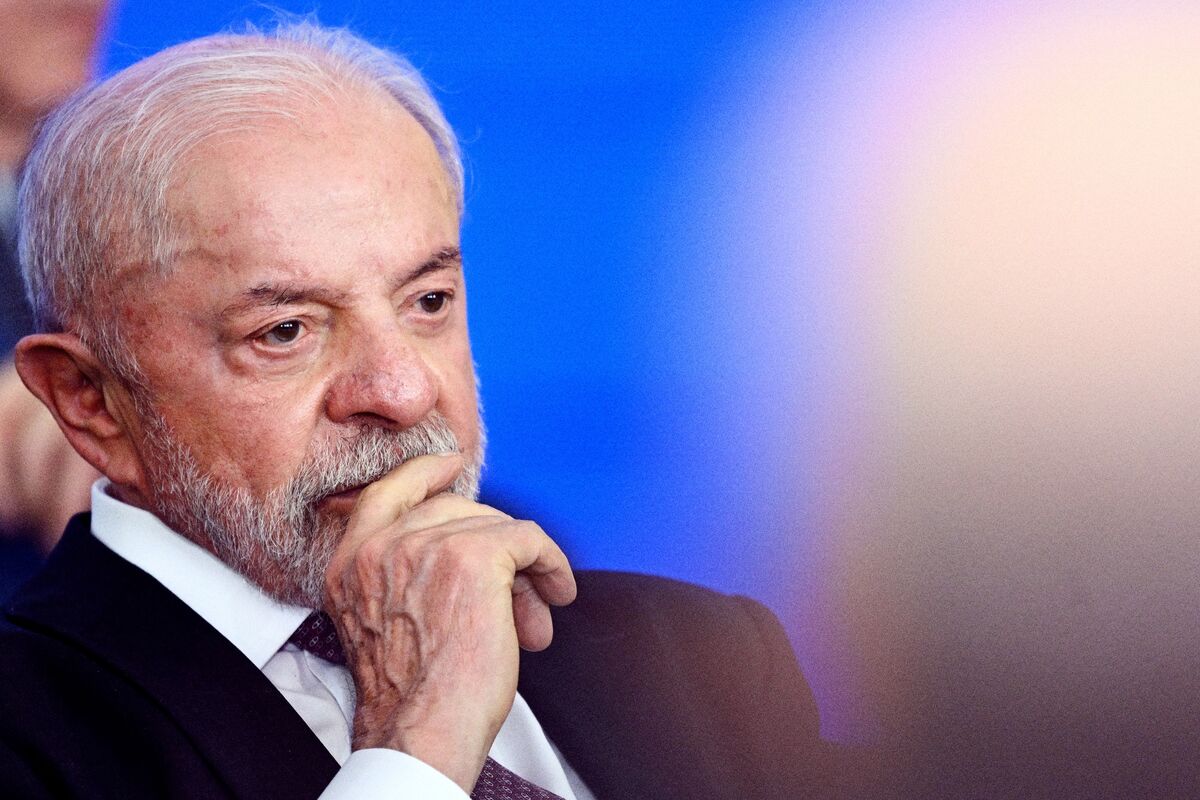
The article previews a discussion of how Luiz Inácio Lula da Silva won Brazil’s presidential election over Flávio Bolsonaro and whether the perceived “orange wave” in Latin America is cresting. It also examines opposition leader María Corina Machado’s return to Venezuela and the possibility that 2027 will further reshape regional politics; no market data or direct market reaction is reported.
Analysis
The investable signal is a possible change in Latin America’s political-risk premium, not a clear regional growth impulse. If Brazil’s next policy mix is perceived as more supportive of spending without a credible fiscal anchor, the first-order pressure would likely appear in the BRL and the long end of local rates; Brazilian equities could initially benefit from domestic-demand expectations but lose that support if discount rates rise. Conversely, credible fiscal restraint could support local duration even if it tempers near-term growth optimism. The article provides no policy details, market pricing, or independently verified election context, so avoid treating its political framing as a confirmed regime change.
For Venezuela, opposition activity is not equivalent to a change in governing control or sanctions policy. Any oil-supply impact depends on those gates, infrastructure capacity, and investment timelines; near-term crude-market effects may therefore be overstated. The 2027 political calendar is a potential catalyst, but the direction and country-specific transmission remain uncertain. A broad LatAm risk-on trade is not justified by this account alone.
AllMind Terminal
AI-powered research, real-time alerts, and portfolio analytics for institutional investors.
Request TrialMarket Sentiment
Overall Sentiment
neutral
Sentiment Score
0.00
Key Decisions for Investors
- No immediate directional regional position. Track the BRL, Brazilian long-end yields, and fiscal-policy signals; political headlines alone are insufficient confirmation.
- If Brazilian fiscal credibility deteriorates and local rates sell off, consider reducing unhedged Brazil equity exposure or hedging BRL risk rather than shorting the whole region. Falsifier: sustained BRL strength alongside falling long-end yields and improved fiscal guidance.
- Treat Venezuela-related oil upside as a watch item, not a trade: require evidence of a sanctions change, durable political access, and a credible production-recovery path before positioning in crude or energy equities.
- Over the next 1–3 months, monitor policy appointments, budget and fiscal signals, and any formal sanctions decisions; reassess if these materially change the expected risk premium. Verify the article’s election timeline and underlying source before acting.
More News
- Tech stocks are suffering their biggest selloff since Covid, as investors see premature end to AI datacenter boom
- Wall Street’s best post-midterm rally in 44 years lasted just one day—then $3 trillion vanished as chip stocks plunged over AI fears
- How Wall Street's postelection rally got obliterated — and what's next
- Elon Musk's Tesla and SpaceX lose over $420 billion in combined market cap after midterms
- AI stocks plunge after election, driving down US markets
- The Iran war has cost U.S. households nearly $2,000 each. New strikes could keep the bill climbing