
3 things that are driving inflation higher
Source: MarketWatch
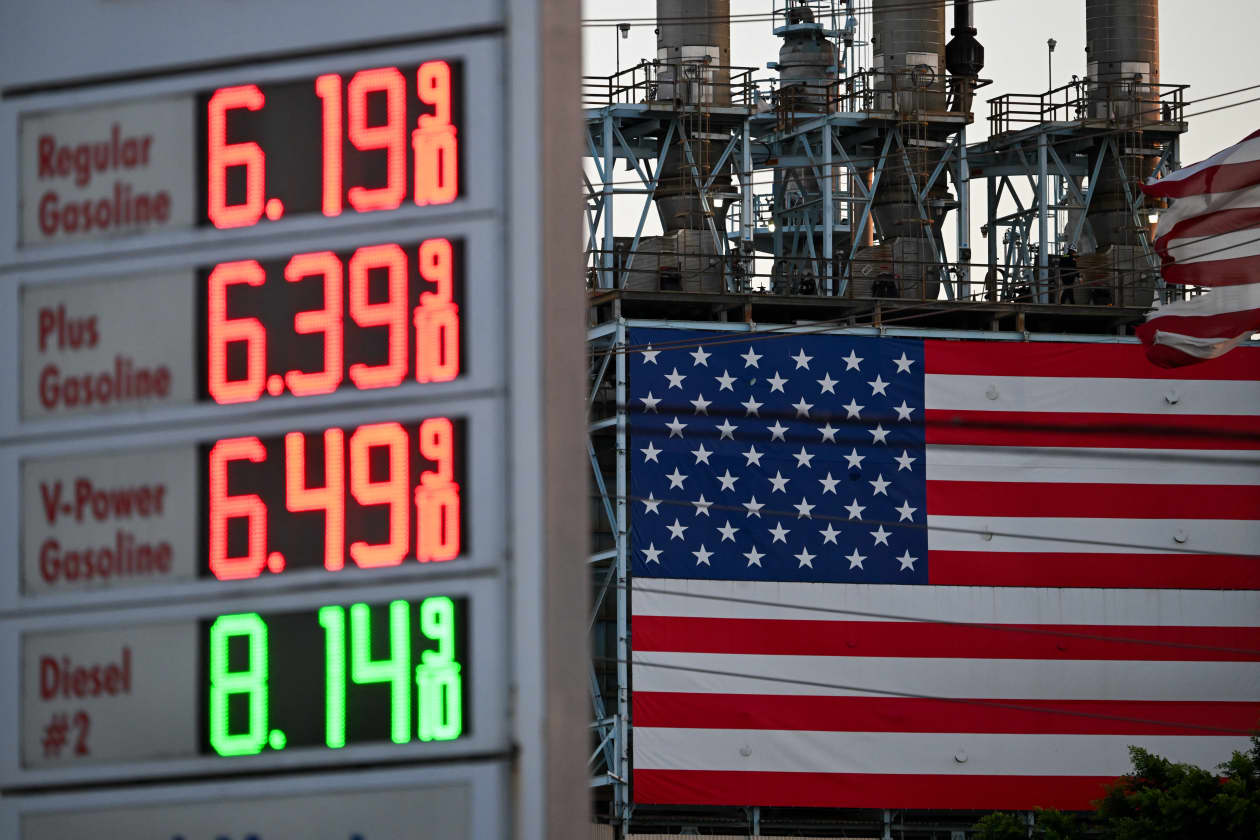
U.S. gasoline prices rose 9.1% in September from August, accelerating from a 3.9% monthly increase in August, according to the consumer-price index report released Wednesday. Gasoline prices were up 34% over the past year, contributing to elevated inflation.
Analysis
The pump-price shock is a direct headline-CPI impulse, but the more important market question is whether it changes inflation expectations or spills into core prices. A single volatile energy reading is not evidence of durable inflation: extrapolating it risks buying protection after a temporary move, while dismissing persistence risks underpricing a second-round effect through transport and distribution costs. The near-term transmission is likely to show first in household purchasing power and inflation-sensitive rates; broader margin pressure depends on whether businesses pass higher input costs through or absorb them.
Over the next 1–3 months, watch subsequent monthly energy readings, core services/goods inflation, and market-based breakevens. If energy remains elevated and expectations rise, nominal duration and rate-sensitive equities face downside; if the move reverses without core pass-through, the initial inflation signal should fade. The article provides no evidence on the other claimed drivers, the overall CPI surprise, or market pricing, so conviction is low. Contrarian point: the sharp year-over-year figure may invite extrapolation, but the monthly follow-through and expectations matter more than the headline annual rate.
AllMind Terminal
AI-powered research, real-time alerts, and portfolio analytics for institutional investors.
Request TrialMarket Sentiment
Overall Sentiment
mildly negative
Sentiment Score
-0.20
Key Decisions for Investors
- No immediate directional inflation trade on this evidence alone. Avoid treating one energy-driven CPI component as proof of a persistent inflation regime.
- Set an alert for the next CPI releases: if energy strength persists alongside firmer core inflation or rising breakevens, consider a modest long-TIPS / short nominal-duration expression (for example, TIP versus IEF), sized for real-yield risk.
- Falsify the persistence thesis if gasoline prices retreat and core inflation and breakevens remain contained; in that case, avoid paying up for inflation protection and reassess any duration underweight.
- Track household-facing and transport-sensitive sectors for signs of weaker demand or cost pass-through; do not assume fuel retailers or energy producers benefit uniformly, since the article gives no evidence on refining margins, volumes, or company-level exposure.
More News
- SK Hynix plunges 8% amid Asia tech rout as Fed rate hike fears, AI funding worries mount
- Why is Samsung Electronics stock plunging today?
- Why is Advantest stock plummeting today?
- Container ship sinks in Strait of Hormuz as Iran steps up attacks
- Oil Gains as Middle East, Russia Hostilities Imperil Flows
- Hot September CPI Spurs Fed Rate Hike Fears
From AllMind Research
- Anthropic IPO Preview: Valuation, Timing, and What to Watch
- Shein After the IPO: Venue, Valuation, and What Must Be Proved
- What AI Research Tools Should a Small Hedge Fund Buy First?
- Stop Treating AI Like a Chatbot: What Are Agents, SubAgents, MCP, and Skills, and How Do They Actually Work?
- Earnings-Triggered Research Automations: A Control Guide