
3 things that are driving inflation higher
Source: marketwatch.com
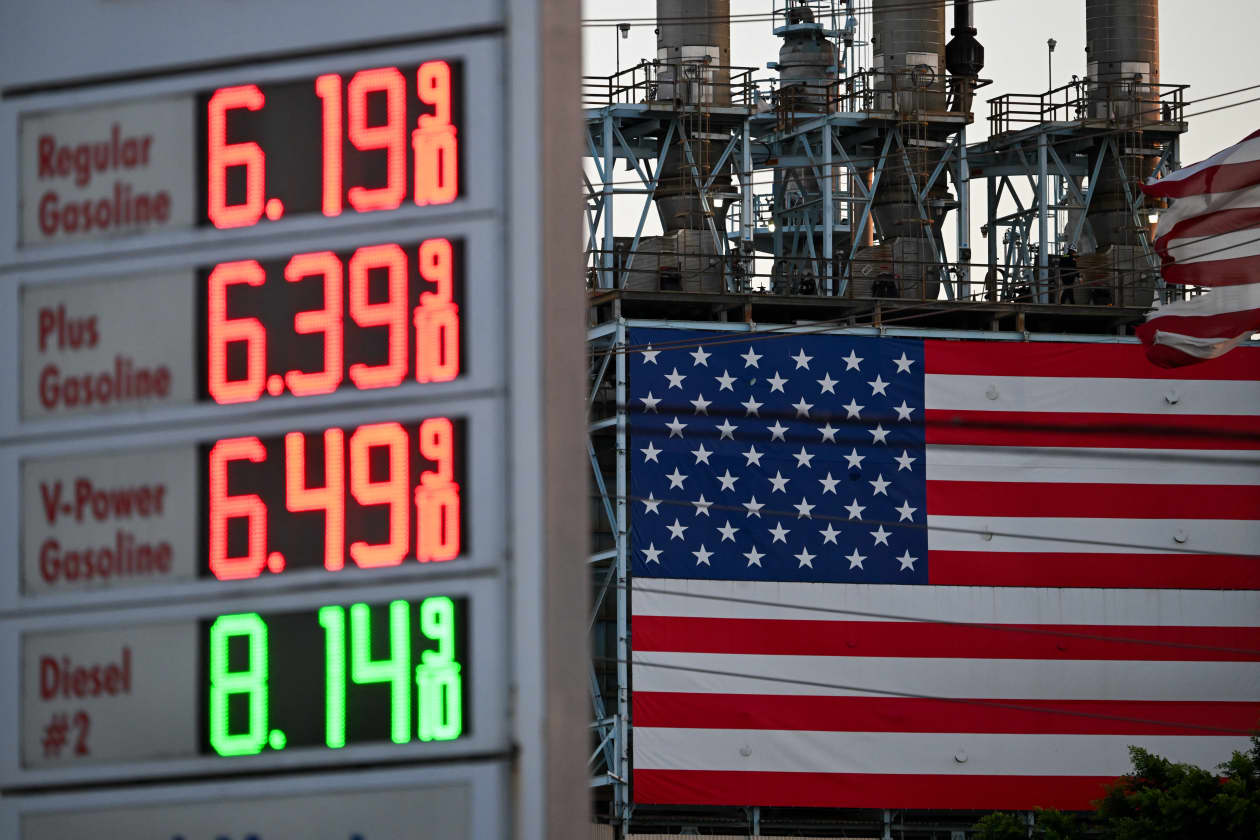
U.S. gasoline prices rose 9.1% in September from August, accelerating from a 3.9% increase in August and contributing to a 34% year-over-year rise, according to the CPI report released Wednesday. The excerpt highlights gasoline as a source of inflation pressure but provides no broader CPI figures.
Analysis
The market-relevant question is whether the energy shock stays in headline CPI or broadens into expectations, wages and non-energy prices. A visible pump-price increase can affect household inflation expectations quickly, while higher fuel bills also act like a tax on discretionary spending. That creates a potential stagflationary mix: near-term inflation compensation rises even as consumer-facing revenue and real demand weaken. It is not, by itself, evidence of persistent underlying inflation or a reason to assume a lasting policy-rate repricing.
Over days to weeks, rates and inflation breakevens may react to energy momentum; over 1–3 months, the key confirmation is whether core services, inflation expectations and consumer spending follow. Over 6–18 months, a sustained energy burden would favor businesses with pricing power and efficient logistics over fuel-intensive, lower-margin operators. The excerpt does not identify the other two inflation drivers, so the breadth of the signal is unverified. A reversal in fuel prices, stable expectations and contained core inflation would undermine the inflation-persistence thesis; weakening spending would instead strengthen the growth-risk interpretation.
AllMind Terminal
AI-powered research, real-time alerts, and portfolio analytics for institutional investors.
Request TrialMarket Sentiment
Overall Sentiment
mildly negative
Sentiment Score
-0.25
Key Decisions for Investors
- Do not chase a broad inflation trade on this excerpt alone. Verify the full CPI breakdown, core services, near-term inflation expectations and subsequent fuel-price data before adding duration or inflation exposure.
- If energy momentum persists and expectations rise, consider a modest, defined-risk long in short-dated TIPS breakevens versus nominal Treasuries; cut the position if fuel prices reverse or core inflation and expectations remain contained.
- Treat fuel-sensitive consumer exposure as a watchlist trade, not an immediate short: compare upcoming guidance and spending data for discretionary retailers, airlines and transport operators against less fuel-sensitive peers. Falsifier: stable margins and demand despite higher fuel costs.
- Separate crude and refined-product exposure: higher retail gasoline prices do not establish that every energy producer or refiner benefits. Verify the relevant product spreads and company-level exposure before expressing an energy-equity view.
More News
- Why is Samsung Electronics stock plunging today?
- SK Hynix plunges 8% amid Asia tech rout as Fed rate hike fears, AI funding worries mount
- Hot September CPI Spurs Fed Rate Hike Fears
- Oil Gains as Middle East, Russia Hostilities Imperil Flows
- Why is Rocket Lab stock tumbling today?
- India’s Bond Market Shows Bets Building for More RBI Rate Hikes