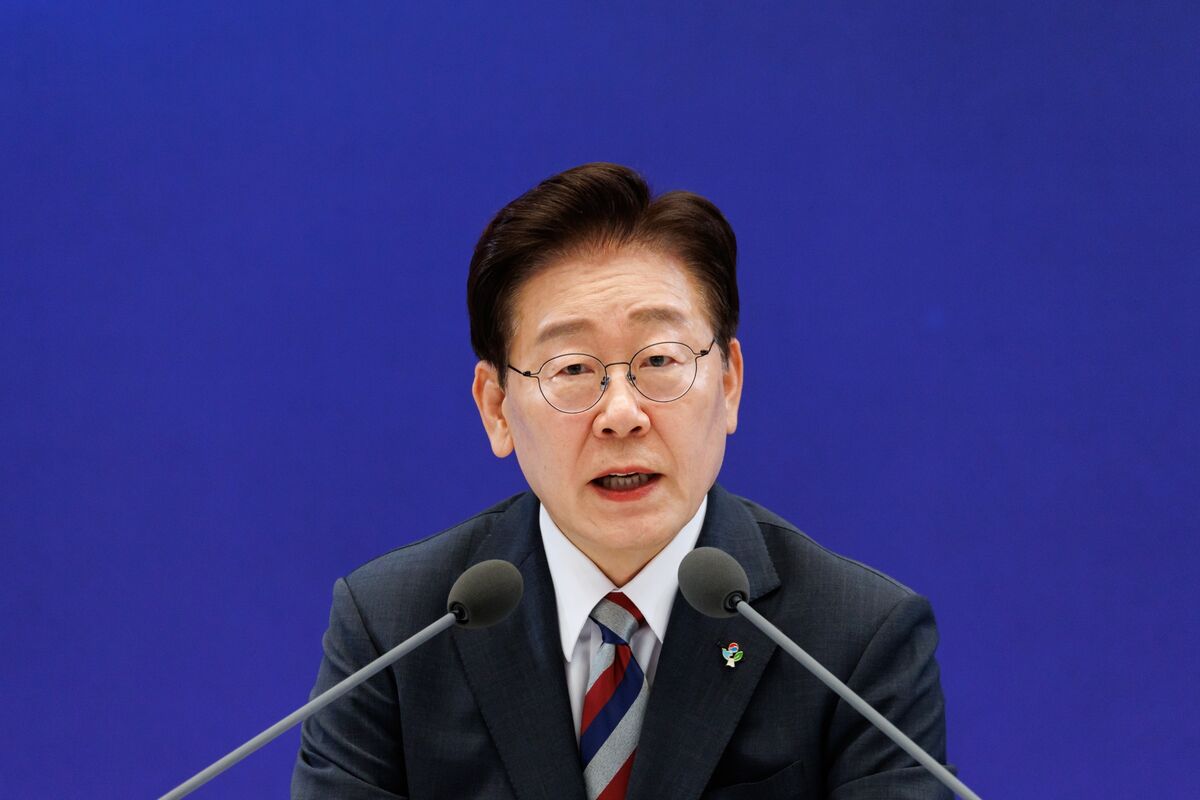
South Korea’s single-stock leveraged ETFs launched in May (aiming for 2x daily returns on AI memory leaders Samsung Electronics and SK Hynix) are drawing backlash for amplifying volatility. The Kospi has fallen ~25% from its June peak, highlighting risks around leveraged exposure to flagship AI stocks. The episode is likely to cool enthusiasm for this stock-market innovation and could spur regulatory scrutiny.
This is less a semiconductor-fundamentals story than a flow-regime story: once a retail-friendly leverage wrapper becomes politically controversial, the marginal buyer disappears fastest, and that can turn a crowded momentum trade into forced de-grossing. SKHYV should be more vulnerable than SSNLF because the market is paying for higher beta to the AI-memory narrative, which makes it more exposed to any reduction in speculative leverage and dealer-support dynamics.
The first-order hit is lower realized upside participation; the second-order hit is multiple compression as volatility rises and foreign allocators demand a bigger discount for Korea equity risk. That matters most over the next 1-3 months if regulators move from rhetoric to product limits, disclosure burdens, or margin changes. If the response is only verbal, the impact should fade quickly because the earnings trajectory for the underlying chip cycle is not directly impaired.
Contrarian view: the consensus may be overstating permanent damage. Removing leveraged retail fuel can actually improve market quality over 6-18 months by reducing crash risk and making Korea equities more investable for institutions, which could support a valuation re-rating once the forced-vol phase passes. The key falsifier is simple: if foreign inflows remain positive and no concrete regulatory action follows, the selloff becomes a positioning event rather than a structural one.
AI-powered research, real-time alerts, and portfolio analytics for institutional investors.
Overall Sentiment
mildly negative
Sentiment Score
-0.30
Ticker Sentiment
