
Kaiterra Adds Sound Monitoring, Completing Full-Suite Environmental Quality Coverage for Commercial Buildings
Source: PR Newswire
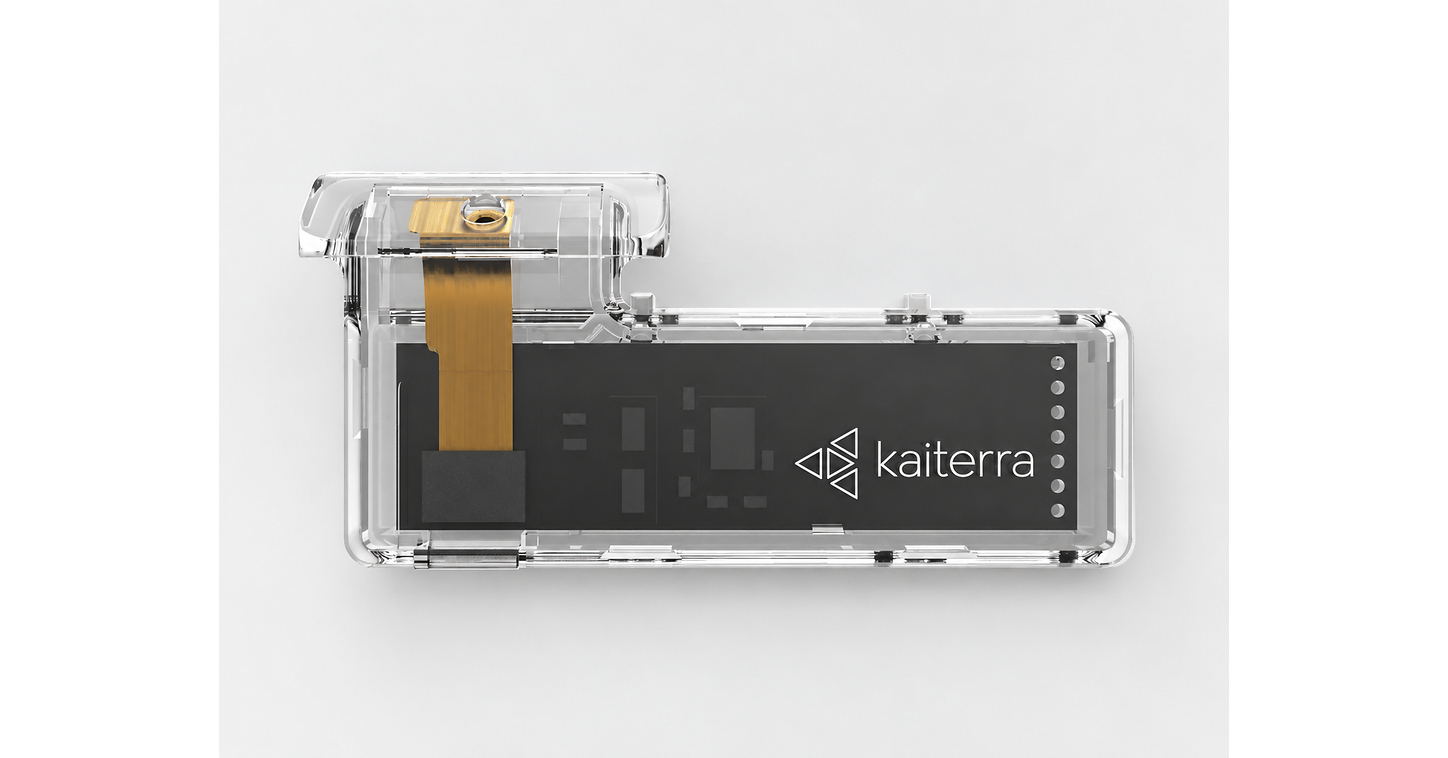
Kaiterra added sound monitoring to its Sensedge Go platform, extending its commercial-building environmental coverage across air quality, thermal comfort, light, occupancy, and acoustics. The battery-powered device can measure the full audible spectrum and is marketed with up to eight years of battery life; the sound-monitoring add-on is available immediately for new and already installed devices. Kaiterra said its privacy architecture prevents audio from being recorded, stored, or transmitted, addressing enterprise data-privacy requirements.
Analysis
This is not independently verifiable evidence of a material revenue inflection, and Kaiterra appears private; no direct public-equity read-through is warranted. The more relevant mechanism is that acoustic data can shift indoor-environment monitoring from a point-product purchase toward a higher-ARPU software/compliance workflow, particularly where landlords need auditable evidence for tenant retention, wellness certifications, or workplace redesign. If adoption proves real, incumbents with fragmented sensor stacks face higher integration costs and potentially weaker renewal economics.
Public exposure is indirect. Johnson Controls (JCI), Honeywell (HON), Siemens (SIEGY), and Schneider Electric (SBGSY) have building-management platforms that could bundle acoustic analytics into broader controls offerings, while sensor and edge-compute suppliers such as Sensirion (SENS.SW) could benefit only if multisensor deployments scale. Conversely, a low-cost, battery-powered retrofit solution may pressure proprietary wired BMS upgrade projects at the margin, but this is too small today to alter large-cap estimates.
Over the next 1-3 months, monitor whether major building-certification frameworks, large employers, or public-sector procurement specifications begin requiring continuous acoustic measurement rather than periodic testing. The key contrarian point is privacy: even non-recording sound metrics can trigger employee-surveillance objections, union scrutiny, and procurement delays; the claimed hardware safeguards must be independently validated. A 6-18 month upside case requires disclosed attach rates, SaaS pricing, renewal data, and evidence that noise remediation produces measurable occupancy or tenant-retention ROI.
AllMind Terminal
AI-powered research, real-time alerts, and portfolio analytics for institutional investors.
Request TrialMarket Sentiment
Overall Sentiment
moderately positive
Sentiment Score
0.42
Key Decisions for Investors
- No standalone trade at launch: Kaiterra is private and the announced feature lacks disclosed pricing, installed-base size, or contract wins needed to quantify revenue sensitivity.
- Set an earnings-call watch item for JCI, HON, SIEGY, and SBGSY over the next two quarters: look for acoustic/IEQ analytics bookings, retrofit attach rates, and recurring-software growth. Consider long JCI versus short a broad commercial-real-estate proxy only if management cites measurable retrofit demand and maintained margin guidance.
- Monitor privacy or labor-policy developments around workplace sensing over the next 3-6 months. Any high-profile challenge to non-audio acoustic monitoring would be a negative read-through for smart-building analytics adoption and would falsify a bullish retrofit thesis.
- For SENS.SW, require evidence of incremental sensor-content demand in commercial-building channels before positioning; the thesis is invalid if building-monitoring growth does not translate into volume growth or gross-margin resilience.
More News
- China’s Property Crisis: From Evergrande Collapse to Beijing’s Latest Measures
- Tencent leases 100,000 chips from Oracle for $7 bln- FT
- California Gov. Gavin Newsom bans AI 'robo bosses' in landmark state law, reversing his earlier veto
- RAM supply set to worsen, says Micron, as CEO celebrates ‘much higher’ prices
- Why is Kioxia stock rallying today?
- We're raising our Micron price target after an incredible quarter and robust guidance
From AllMind Research
- Anthropic IPO Preview: Valuation, Timing, and What to Watch
- Shein After the IPO: Venue, Valuation, and What Must Be Proved
- What AI Research Tools Should a Small Hedge Fund Buy First?
- AI Tools for Independent Research Firms: A Publishing System
- Weekly Update: Options, Earnings Call Transcripts, AI Chat, Bookmarks & More