
International B-SILENT Study of Venous Stenting for Pulsatile Tinnitus Enrolls First Patient in Toronto Hospital
Source: PR Newswire
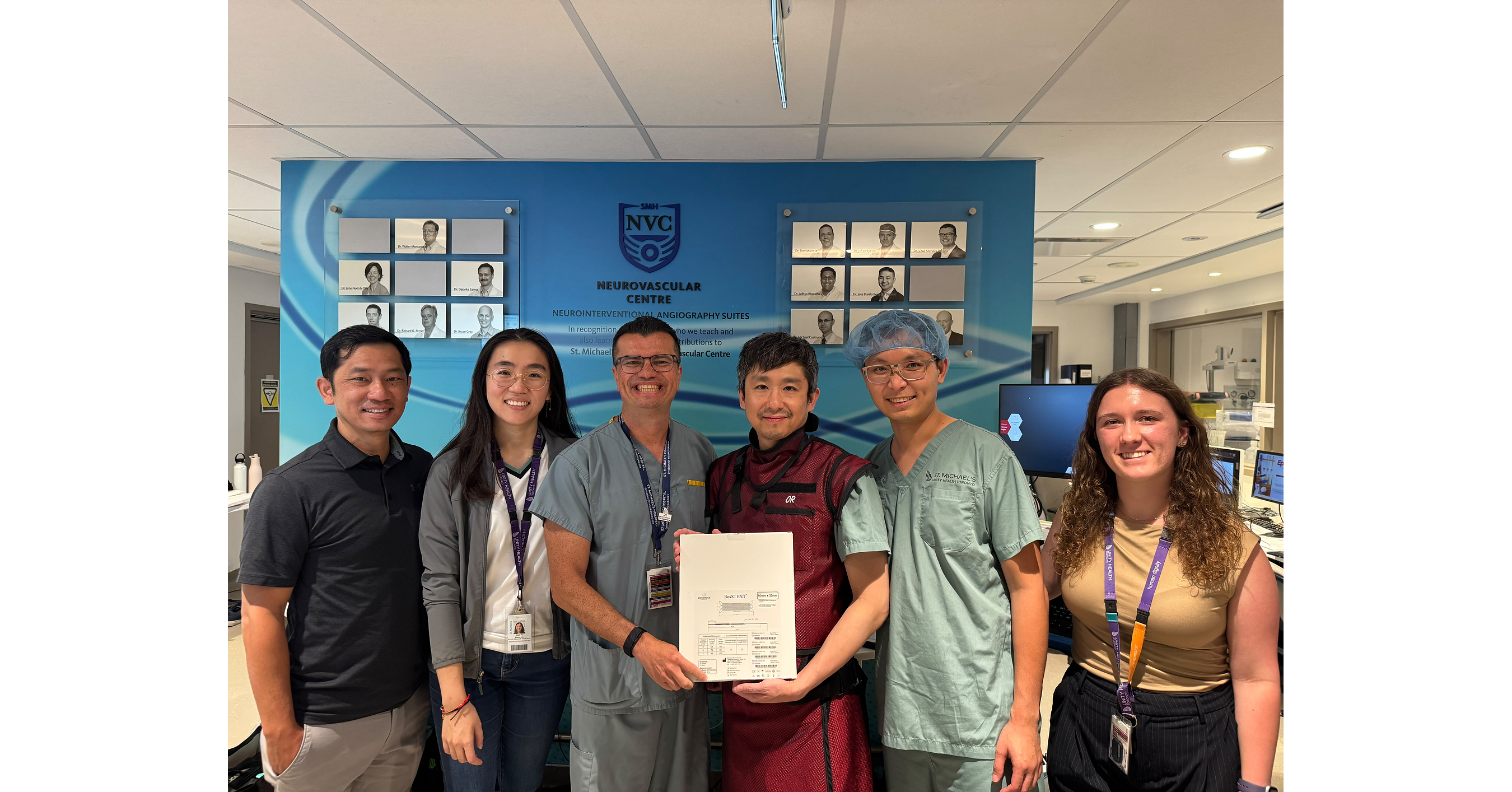
Sonorous Neurovascular enrolled its first patient in Toronto in the international B-SILENT study (NCT07070089) testing its investigational BosSTENT™ for debilitating pulsatile tinnitus linked to symptomatic cerebral venous sinus stenosis. The study aims to generate safety and performance data to support a future CE Mark submission, expanding enrollment beyond France to include Canadian sites at St. Michael's and The Ottawa Hospital. The announcement reinforces the company’s regulatory progress, building on FDA Breakthrough Device Designation for BosSTENT™ and existing 510(k) clearance for BosCATH™.
Analysis
This is more of a de-risking step than a monetization event. The economic value is in proving that a niche interventional workflow can be reproduced across centers, not in a first-patient headline; until accrual proves out, the asset remains a long-dated regulatory option with limited near-term cash-flow relevance. If the therapy ultimately gains traction, the incremental profit pool sits with the device maker and the high-volume neurointerventional centers, while ENT/audiology-driven care pathways lose referral flow.
The key catalyst is not the study launch but enrollment velocity and adverse-event cleanliness over the next 1-3 months. A clean safety profile plus expanding site count would improve the odds of a CE Mark submission, but reimbursement and procedure adoption are the real gates over 6-18 months. The main failure mode is slow accrual: pulsatile tinnitus is symptomatic but diagnostically messy, so a small eligible population or operator reluctance could make the program look much larger on paper than in practice.
Consensus may be overrating the signaling value of breakthrough/regulatory language. For small, disease-specific medtech, first-patient announcements often compress the timeline in investor minds while the actual commercial path depends on procedural economics, antithrombotic management, and whether interventionalists can standardize patient selection. Any signal of restenosis, thrombosis, or a need for complex adjunctive medication would materially damage the bull case and likely push the real catalyst out by quarters, not weeks.
AllMind Terminal
AI-powered research, real-time alerts, and portfolio analytics for institutional investors.
Request TrialMarket Sentiment
Overall Sentiment
mildly positive
Sentiment Score
0.25
Key Decisions for Investors
- Do not initiate a standalone position on this announcement alone; treat MAJJ/Sonorous as a watch item until the next enrollment update confirms meaningful accrual and no safety drift.
- If a liquid public proxy is needed, use a small relative-value long IHI / short XBI basket over 1-3 months only after follow-on site activity is visible; the setup is better for medtech than for cash-burning biotech, with roughly 2:1 upside if execution improves and a tight stop if the study stalls.
- For any direct exposure to MAJJ, wait for the first interim safety readout or a disclosed enrollment count threshold; size as a binary regulatory optionality trade, not a fundamentals position, with a 6-18 month horizon.
- Set a falsifier alert on study cadence: if enrollment does not accelerate after additional sites are activated, or if an adverse-event signal appears, fade any rally and reassess the CE Mark path.
More News
- AI Capex, Gamble or Jackpot?: Market Snapshot
- Indonesia stocks suffer biggest daily slump since 1998 as MSCI weighs downgrade
- ‘I told you so’: China’s chip sector is making breakthroughs—and U.S. export controls are the reasons why
- UK's Healey Plans to Raise Bank Taxes
- CoreWeave credit default swaps hit distress levels as investors sour on AI debt
- The IPO drought is driving private equity-owned companies to the debt market to pay investors