
PepsiCo's North America Reset: Can Cost Cuts Restore Growth?
Source: zacks.com
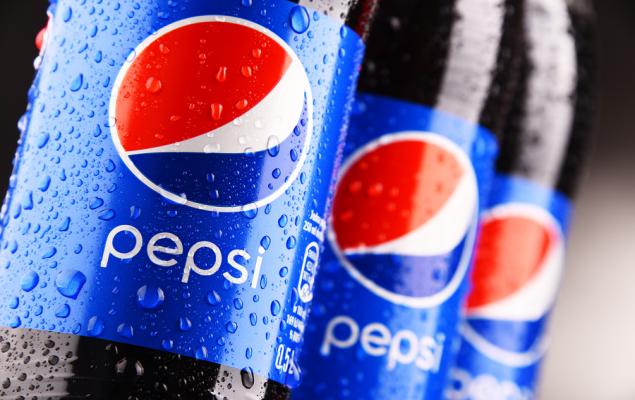
PepsiCo is cutting North American overhead and using automation and distribution efficiencies to fund marketing and innovation as it seeks to restore growth; its snacks business has returned to low-single-digit positive volume growth. Risks include rising input costs and cautious consumer spending. PEP shares fell 12.8% over six months versus a 9.9% industry gain; 2026 and 2027 EPS estimates imply growth of 3.4% and 2.6%, respectively, and were revised down over the past seven days. The stock carries a Zacks Rank #4 (Sell) and trades at 15.53x forward earnings versus the industry average of 19.68x.
Analysis
PEP’s reset is a conversion test, not simply a cost-cutting story: savings create value only if reinvested marketing and retail execution produce durable volume and share gains without sacrificing product development. Near term, lower volume pressure could improve operating leverage, but input-cost inflation or discounting to defend affordability may absorb productivity gains and leave earnings estimates vulnerable. Treat reported warehouse and transportation efficiencies as claims to verify against realized margins and cash flow.
Over the next 1–3 months, the key signal is whether North American beverage performance improves alongside snacks; snack volume recovery alone does not establish a broad-based turnaround. Over 6–18 months, successful integration of food and beverage distribution could be a structural cost advantage, while poor execution risks directing resources toward promotions rather than brand equity. KO offers a less direct beverage-focused relative-value comparison; MNST’s energy exposure is not a clean hedge for PEP’s broad food-and-beverage mix.
The contrarian case is that PEP’s lower valuation may already discount weak growth, so a short at this level has asymmetric squeeze risk if volumes stabilize and estimates stop falling. Conversely, low valuation is not a catalyst while earnings revisions trend down. Watch organic volume, market share, pricing/mix, productivity savings net of reinvestment, and guidance. A sustained improvement in these measures would falsify the underperformance thesis.
AllMind Terminal
AI-powered research, real-time alerts, and portfolio analytics for institutional investors.
Request TrialMarket Sentiment
Overall Sentiment
mildly negative
Sentiment Score
-0.35
Ticker Sentiment
Key Decisions for Investors
- Avoid adding outright to PEP solely on the valuation discount. Wait for earnings or operating updates to show that North American volume and market share are improving without margin deterioration.
- For a relative-value expression, consider a modest, beta-adjusted short PEP / long KO only if PEP estimates continue to fall and beverage volumes fail to recover. Reassess or exit if PEP reports sustained broad-based volume gains or stabilizing estimates; KO is an imperfect hedge because of its different business mix.
- Do not treat the stated distribution efficiencies as bankable until reflected in realized productivity, operating margin, or cash-flow disclosures. Track whether marketing and innovation spending rises while margins remain resilient.
- Upside alert: if snack growth broadens to beverages and estimates stabilize, the de-rating may create room for PEP to outperform; cover relative shorts rather than waiting for a specific price target.
More News
- What investors need to know about Alphabet's stock-busting earnings report
- Our next steps for Alphabet stock after earnings disappoint at nearly every turn
- Wendy's shares jump 15% as Nelson Peltz's Trian offers $1.4 billion to buy burger chain
- GE Vernova shares slip despite a beat-and-raise. What the sellers are getting wrong
- Microsoft's Big Bets on AI Start to Pay Off
- Asian shares fall as Alphabet earnings miss drags Wall St futures lower