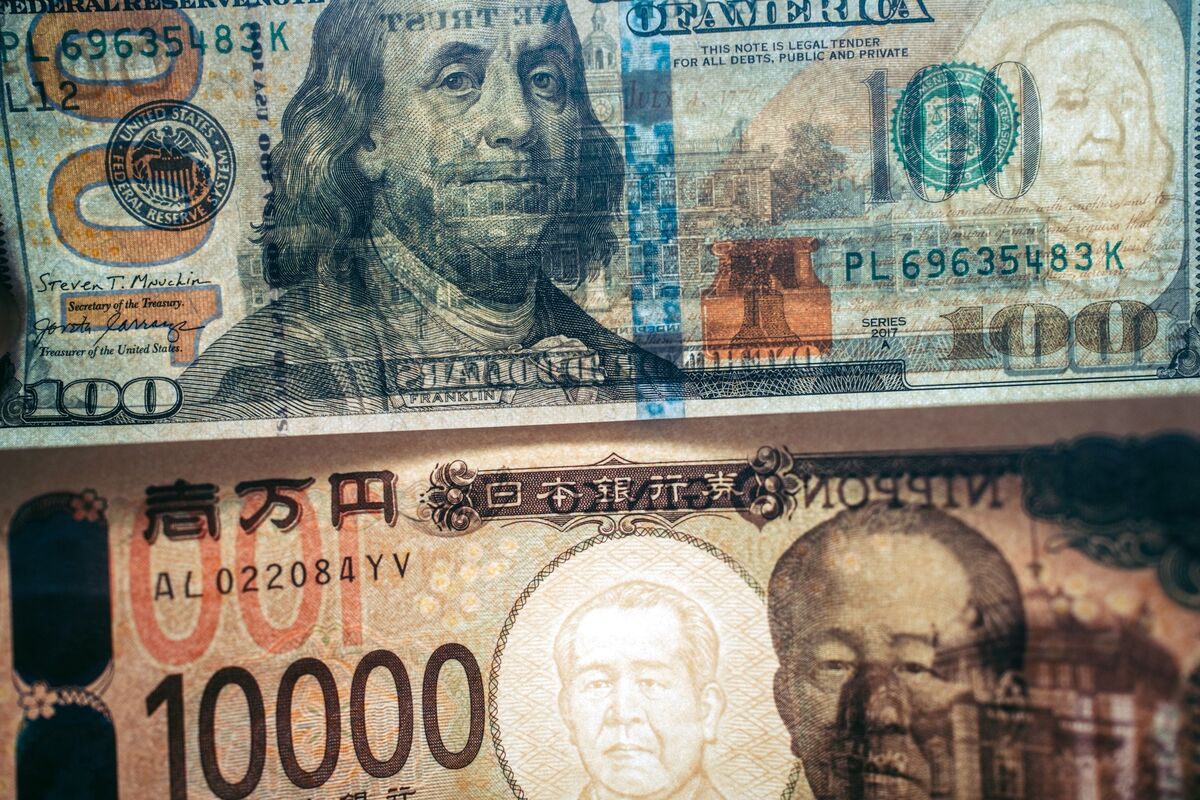
The yen slid past 163 per dollar to a fresh four-decade low (as low as 163.24), the first move beyond 163 since 1986, increasing the risk Japan intervenes to support the currency. The selloff coincided with a stronger dollar and rising US Treasury yields, while renewed US-Iran war tensions pushed up oil prices.
The immediate beneficiary is not Japan Inc. broadly but the subset with clean dollar revenues and limited imported input costs; the losers are the domestic-demand complex that cannot reprice fast enough to offset energy and food import inflation. That creates a second-order squeeze: weaker yen raises headline CPI, but real wages lag, so retailers, airlines, utilities, and consumer discretionary names can see volumes deteriorate even as nominal sales rise.
The bigger market mechanism is policy asymmetry. Once a level like this is printed, the bar for official action drops sharply, but intervention is usually a trading event unless it is paired with a shift in US yields or BoJ policy; without that, the path of least resistance can still be yen weakness over 1-3 months. The near-term risk is a sharp squeeze lower in USD/JPY on intervention headlines, while the medium-term risk is that higher oil and US rates keep the dollar bid and keep Japanese inflation import-driven.
For equities, the consensus is probably over-indexing on exporter upside and underpricing margin compression from imported inputs plus the valuation hit from a weaker yen when translated back into USD. If oil stays firm, Japan’s terms-of-trade deterioration is a structural negative for unhedged Japanese equity exposure over 6-18 months, even if exporters outperform domestically oriented peers in the next quarter. The cleanest tell is whether USD/JPY can hold above the intervention zone after any official jawboning; failure there would invalidate chase-the-dollar positioning quickly.
AI-powered research, real-time alerts, and portfolio analytics for institutional investors.
Overall Sentiment
mildly negative
Sentiment Score
-0.10
Ticker Sentiment
