
Xinhua Silk Road:Se presentan dos índices sobre el remo y la revitalización de los hutongs en Shenyang
Source: PR Newswire
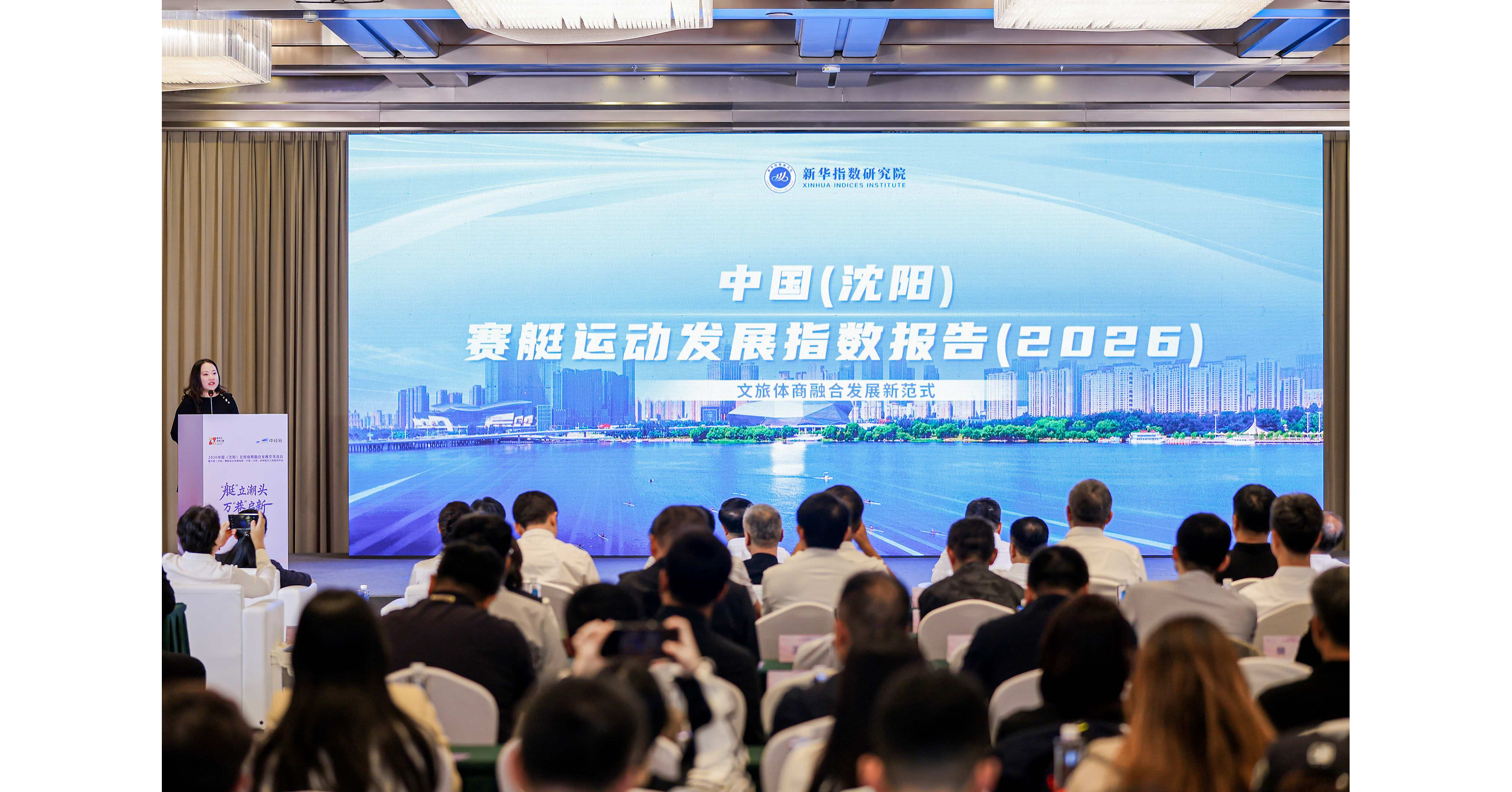
Shenyang launched rowing-development and hutong-revitalization indices to benchmark its integrated culture, tourism, sports and commerce strategy. The city has renovated 67 historic hutongs, hosted more than 6,000 public performances at Laobeishi, and reports more than 2 million annual visitors to Bajing Coffee Alley. The initiative aims to increase tourism activity and urban consumption through waterfront sporting events, micro-renovation projects and more immersive visitor experiences.
Analysis
This is not yet an investable demand signal: the announcement provides no committed municipal capex, private concession awards, occupancy data, merchant sales growth, or evidence that visitor traffic is converting into higher-value overnight spending. The likely near-term market impact is therefore nil for listed China travel, hotel, retail, construction, or technology names; treating promotional footfall metrics as revenue growth would be a category error.
The relevant medium-term mechanism is whether local governments increasingly use sports-and-cultural regeneration as a countercyclical consumption tool. If replicated across provincial cities with funded redevelopment and transport packages, it could incrementally support domestic travel platforms such as TCOM, hotel operators such as HTHT, and local experiential-retail tenants—but only after evidence of room-night growth and spend per visitor. The principal risk is that subsidized events create one-off traffic while renovation raises rents and displaces independent merchants, limiting sustainable retail turnover.
Contrarian view: consensus often overvalues headline visitor counts in China urban-renewal stories. For public equities, the decisive variables are conversion to paid accommodation, repeat visitation, merchant same-store sales, and the financing burden carried by local-government vehicles; absent these, any sector read-through should remain immaterial. A meaningful catalyst over the next 6-18 months would be disclosed PPP awards, hotel supply additions, or measurable increases in regional tourism receipts rather than additional index publications.
AllMind Terminal
AI-powered research, real-time alerts, and portfolio analytics for institutional investors.
Request TrialMarket Sentiment
Overall Sentiment
mildly positive
Sentiment Score
0.28
Key Decisions for Investors
- No immediate position: do not use this announcement alone to add exposure to TCOM, HTHT, KWEB, or China consumption ETFs; the stated impact is too low and no listed-company earnings linkage is established.
- Set a 1-3 month monitoring trigger for disclosed Shenyang tourism infrastructure tenders, PPP financing, and hotel-development pipelines. Reassess TCOM/HTHT only if independently reported room nights, ADR, or regional tourism receipts accelerate versus national domestic-travel growth.
- For existing China consumer longs, treat a rise in municipal cultural-tourism promotion without corresponding local-government financing clarity as a risk flag rather than a catalyst; widening LGFV credit spreads or evidence of merchant displacement would falsify any regeneration-led consumption thesis.
More News
- Italy to deploy warships to protect shipping through Bab al-Mandeb
- This AI-picked stock jumps 18% on Amazon’s $8 billion power deal
- Asian stocks rise as oil retreat eases inflation fears, BOJ in focus
- US to Sell F-35s to Saudi Arabia in $24.3 Billion Deal
- How record diesel prices will rip through the U.S. economy. Trucks and rails are only the start
- Crusoe raises $3.9B to build massive data centers and small modular “AI factories”
From AllMind Research
- Anthropic IPO Preview: Valuation, Timing, and What to Watch
- Shein After the IPO: Venue, Valuation, and What Must Be Proved
- What AI Research Tools Should a Small Hedge Fund Buy First?
- 2026 Global Markets Outlook: Asset Allocation After the Great Disconnect
- Fintool Alternatives After the Microsoft Acquisition