
Auburn Baseball, College of Education lab leverage data to develop athletes and researchers
Source: PR Newswire
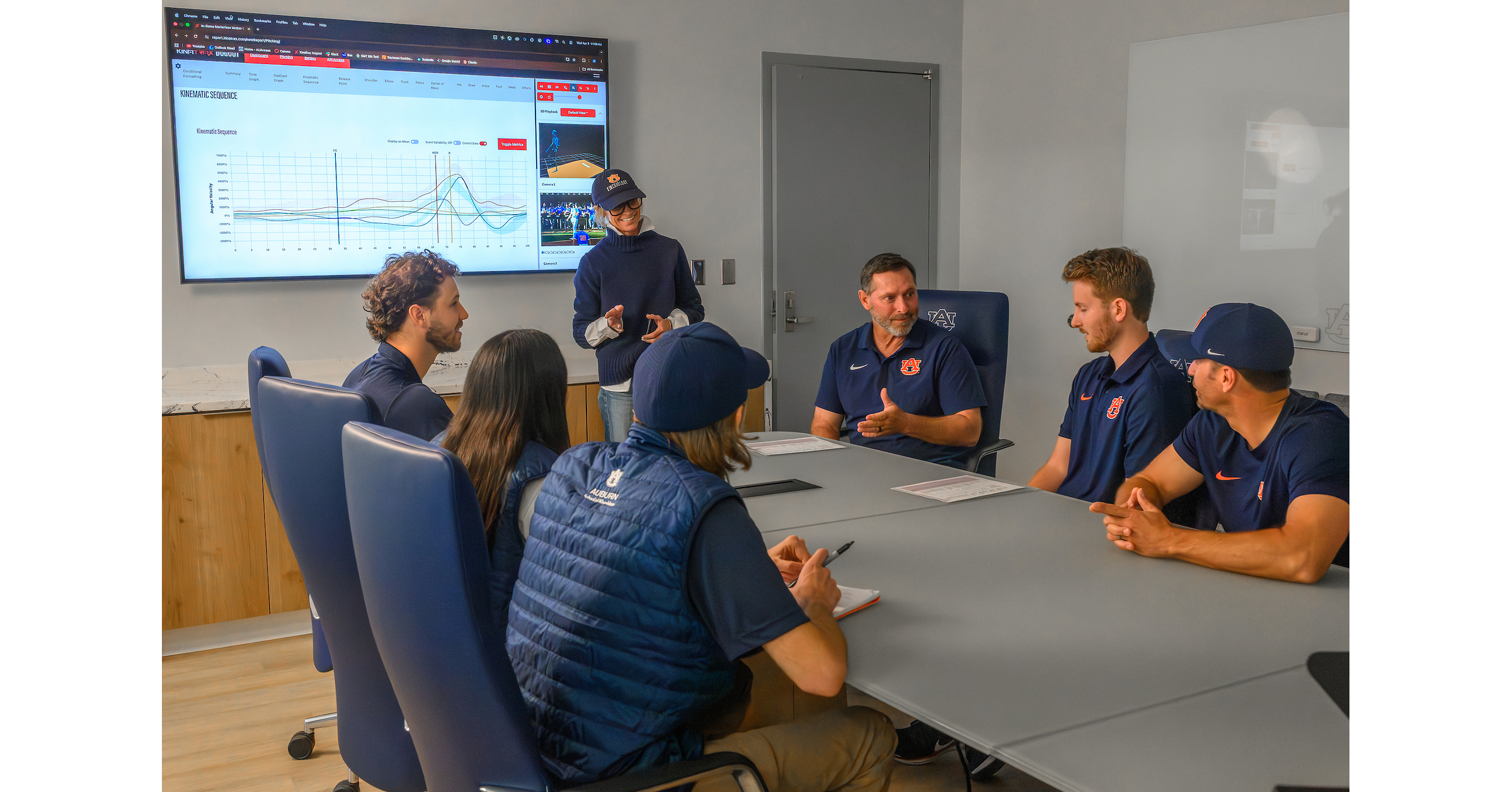
Auburn University's Sports Medicine and Movement Lab is using markerless motion-capture cameras to collect data on every pitch and swing during Auburn Baseball home games, aiming to improve performance and identify shoulder and elbow injury risks. The program combines real-time biomechanics analysis with coaching and healthcare collaboration, and its graduates have moved into MLB, academic, and biomechanics-industry roles. Following Auburn Baseball's 2026 Super Regional run and a nationally ranked pitching staff, the university says the partnership is receiving national attention.
Analysis
No directly investable issuer, contract award, commercialization milestone, or independently quantified reduction in injury incidence is disclosed; this is not a near-term trading catalyst. The relevant public-market read-through is limited to the broader sports-performance ecosystem, where demand for markerless capture and athlete-monitoring tools could support long-duration adoption narratives for niche private vendors rather than create an earnings estimate change for listed healthcare or technology companies.
The second-order opportunity is in professional and youth-sports injury economics: validated real-time biomechanical protocols could eventually shift spending from post-injury treatment toward monitoring, training and prevention. That would be directionally favorable to orthopedic-device utilization stability and sports-medicine service providers, but the revenue pool remains too diffuse and the technology stack is largely unlisted; reduced injuries can also modestly pressure procedure volumes, offsetting any monitoring benefit.
Over 6-18 months, monitor whether sports leagues, NCAA programs, or MLB clubs move from research partnerships to standardized procurement, particularly if a named hardware/software vendor secures multi-team deployments and publishes injury or performance outcomes. The contrarian view is that biomechanical-data enthusiasm routinely outruns clinical validation: without evidence that interventions reduce time lost or surgery rates, teams may treat these systems as discretionary coaching spend, vulnerable to athletic-department budget cycles.
AllMind Terminal
AI-powered research, real-time alerts, and portfolio analytics for institutional investors.
Request TrialMarket Sentiment
Overall Sentiment
mildly positive
Sentiment Score
0.30
Key Decisions for Investors
- No standalone position recommended: the item lacks a public-company beneficiary and has insufficient information to alter earnings expectations.
- Create an alert for named commercialization partners, licensing arrangements, or MLB/NCAA-wide deployments; reassess only if a listed vendor discloses recurring revenue, contract value, or independently validated injury-reduction data.
- For healthcare exposure, avoid extrapolating this into a bearish orthopedic-device thesis (ISRG, SYK): adoption would need to be broad enough to reduce surgical volumes, a multi-year outcome not supported by current evidence.
More News
- Vertex reports positive IgAN trial data, FDA decision due Nov. 30
- The real test for Moderna’s cancer vaccine isn’t about beating Keytruda. It’s keeping cancer from coming back in the long term.
- Elon Musk’s dangerous grip on outer space
- J&J prostate cancer drug shows promising tumor responses in early trial
- Ukraine Says Restrictions on Starlink Speed Have Been Lifted
- AI agents could disrupt bank deposits. Why Wall Street may be overreacting