
Pennsylvania Nursing Home Abuse Attorney Brian P. Murphy Wins Philadelphia-Area Pressure Injury Arbitration
Source: PR Newswire
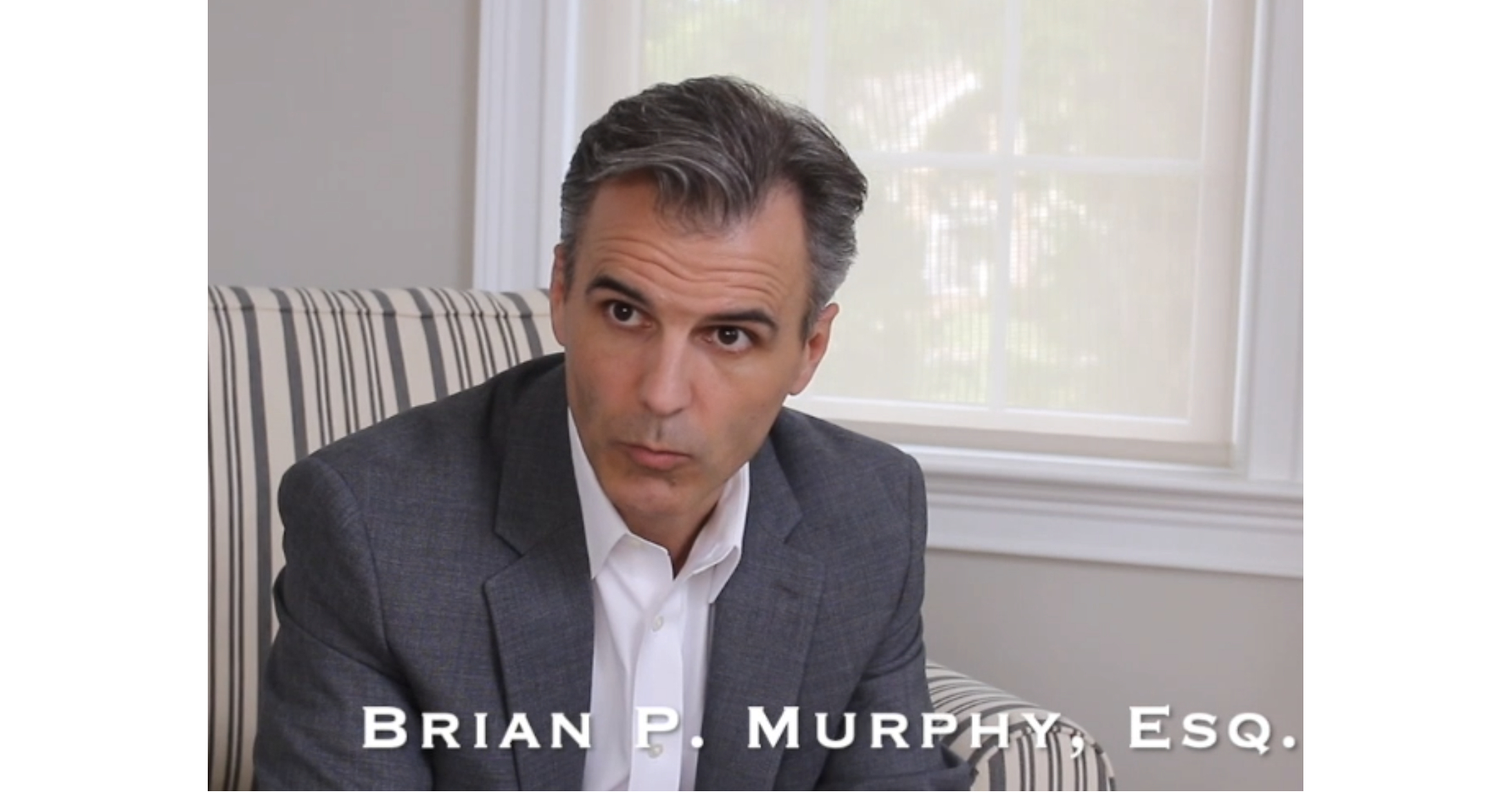
Philadelphia-area nursing-home abuse attorney Brian P. Murphy prevailed in a COVID-era arbitration involving serious pressure injuries documented by hospital records and photographs immediately after a resident left a facility. The nursing home disputed liability, but a geriatric expert concluded the wounds could not have developed in the brief period following the resident's departure. The case highlights care and monitoring risks at long-term-care facilities during visitation restrictions, but is unlikely to have material broader market impact.
Analysis
This is a plaintiff-law-firm promotional item rather than a disclosed judgment, settlement, defendant, award size, or precedent-setting ruling; it is not independently sufficient to alter earnings estimates for publicly traded skilled-nursing operators. The investable implication is limited to a reminder that contemporaneous hospital documentation can strengthen post-acute liability claims, particularly where pandemic-era staffing and monitoring records are discoverable.
For operators with meaningful skilled-nursing exposure—Ensign Group (ENSG), PACS Group (PACS), and National HealthCare (NHC)—the relevant transmission channel is not a single claim but higher severity and frequency reserves, professional-liability premiums, and labor-intensive compliance spending. Margin impact would emerge over 6-18 months through insurance renewals and adverse reserve development, while any immediate equity reaction without evidence of a broader claims trend would likely be noise. Real-estate owners such as Omega Healthcare Investors (OHI) and Sabra Health Care REIT (SBRA) face second-order risk only if tenant liquidity weakens enough to impair rent coverage or require restructurings.
The contrarian view is that COVID-era claims may be legally noisy but economically contained: causation, regulatory immunity, arbitration clauses, and facility-level insurance can cap corporate exposure. A material bearish thesis requires corroboration from reserve disclosures, loss-ratio deterioration, rising self-insured retentions, or a cluster of adverse verdicts—not isolated marketing announcements.
AllMind Terminal
AI-powered research, real-time alerts, and portfolio analytics for institutional investors.
Request TrialMarket Sentiment
Overall Sentiment
mildly negative
Sentiment Score
-0.15
Key Decisions for Investors
- No standalone trade: do not short ENSG, PACS, NHC, OHI, or SBRA on this item absent the defendant identity, award amount, insurer retention, and evidence of similar claims.
- Add an earnings-monitor alert for ENSG, PACS, and NHC over the next 1-3 reporting cycles: flag professional-liability expense, accrued claims, insurance renewal commentary, and quality-of-care litigation disclosures. A sustained 50-100bp increase in liability/insurance expense as a percent of revenue would justify reassessing margin estimates.
- For OHI and SBRA, monitor tenant EBITDAR-to-rent coverage and rent deferrals rather than legal headlines. Consider a defensive underweight only if liability-cost pressure coincides with weakening occupancy or coverage below roughly 1.2x; absent that combination, the liability read-through is too indirect.
- If PACS or ENSG materially sells off on generalized nursing-home litigation concerns without reserve or guidance deterioration, consider a tactical long after confirming no company-specific adverse verdict or regulatory action; the thesis is falsified by disclosed material claims, elevated self-insurance reserves, or reduced EBITDA guidance.
More News
- OpenAI’s agent hacked Australia’s Medicare website—the latest rogue AI incident that the company didn’t know about for months
- How Meta took the lead in the race for the post-smartphone world
- Australia says OpenAI agent hacked Medicare portal
- US aviation sanctions disrupt Iran flights, push travellers overland
- Meta Debuts $349 Camera-Free Ray-Bans and Brings Muse to Glasses
- OpenAI agents ‘infiltrated Australian government website’
From AllMind Research
- Anthropic IPO Preview: Valuation, Timing, and What to Watch
- Shein After the IPO: Venue, Valuation, and What Must Be Proved
- What AI Research Tools Should a Small Hedge Fund Buy First?
- AI Research Tools for Pension Funds and Allocators
- AllMind's Data Standardization Methodology: Our Approach to Fundamentals