
Malteurop adquiere la planta de malteado de Chunlei Malting Co.
Source: PR Newswire
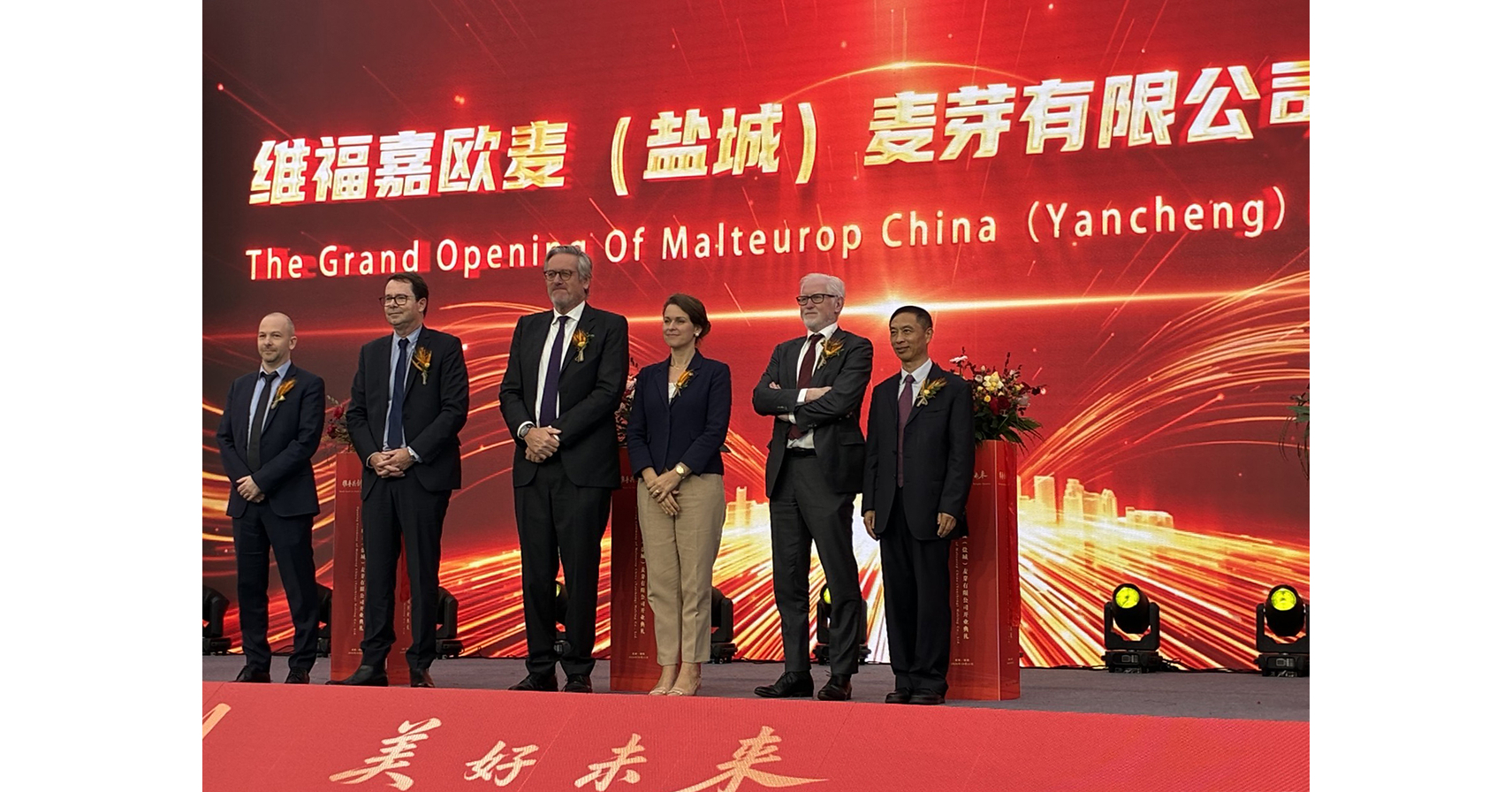
Malteurop, la división de maltería de VIVESCIA, completó en el verano de 2026 la adquisición de la planta Chunlei, cerca de Yancheng, China. La planta añade una capacidad anual de 220.000 toneladas de malta —suficiente para elaborar 2.000 millones de litros de cerveza— y amplía la capacidad industrial y logística de Malteurop para atender a clientes chinos y mercados de exportación. Su producción combina calor de biomasa local, principalmente paja de arroz, con electricidad renovable; no se divulgó el precio de la adquisición.
Analysis
This is a strategic capacity and logistics move, not yet evidence of incremental earnings. The acquisition was completed in summer, so the ceremony and announcement are unlikely to be a fresh catalyst absent disclosed purchase price, utilization, or profit contribution. The key value driver is whether Malteurop can fill the added capacity with Chinese and export demand without depressing malt pricing. If it can, proximity to export infrastructure and an additional production base may improve service reliability and broaden customer options; if not, added fixed capacity could weigh on returns and intensify competition for local brewery contracts. Local malt producers are the most direct competitive risk. Brewers may gain bargaining leverage and supply resilience, but the article does not establish that they will receive lower prices or that barley sourcing changes. The low-carbon process could help meet customer procurement requirements, though the biomass, renewable-power, and emissions claims need independent verification before assigning a premium.
Near term, there is no clear listed-equity expression: VIVESCIA and Malteurop are not identified as publicly traded, and deal economics are undisclosed. Over 1–3 months, watch for utilization, customer commitments, and any follow-on capacity investment. Over 6–18 months, export volumes, malt-price discipline, and realized energy costs will determine whether the asset is a growth platform or an overcapacity risk. The contrarian point: “premiumization” and sustainability language may obscure the more immediate question of capacity absorption. Thesis weakens if Malteurop reports delayed ramp-up, weak export orders, or further capacity additions without corresponding demand.
AllMind Terminal
AI-powered research, real-time alerts, and portfolio analytics for institutional investors.
Request TrialMarket Sentiment
Overall Sentiment
moderately positive
Sentiment Score
0.55
Key Decisions for Investors
- Do not trade the announcement as a standalone catalyst; the deal closed in summer and no purchase price, earnings contribution, or utilization data are disclosed.
- Treat listed brewers such as AB InBev, Heineken, and Carlsberg as indirect watch items, not direct beneficiaries: monitor procurement commentary for evidence of lower malt costs, improved supply security, or customer concentration shifts.
- Set an alert for Malteurop/VIVESCIA disclosures on plant utilization, export volumes, malt pricing, and follow-on investment. Reassess positively on demonstrated demand absorption; reassess negatively if capacity expands while orders or pricing weaken.
- Verify independently the plant’s emissions performance and energy costs before attributing a sustainability advantage; biomass availability, renewable-power reliability, and export economics are key diligence gaps.
More News
- AI Doubts Spread Cracks in Equities, Credit Markets: Evening Briefing Americas
- US-Iran war, then and now: How the landscape has changed since February
- With earnings in rearview mirror, SpaceX-Tesla merger chatter takes center stage
- Looters hit 3,000 French businesses. Within hours, the haul was trending on Vinted under the riot’s date
- Energy markets are adapting to the Iran war as a ‘forever conflict’ while oil producers keep supplies flowing and avoid ‘mutually assured destruction’
- Apple’s $2,000 iPhone Duo Debuts With Limited Supply