
Mapping Smarter Drug Delivery for Treating Oral Cancers: A Hasanuddin University Review
Source: PR Newswire
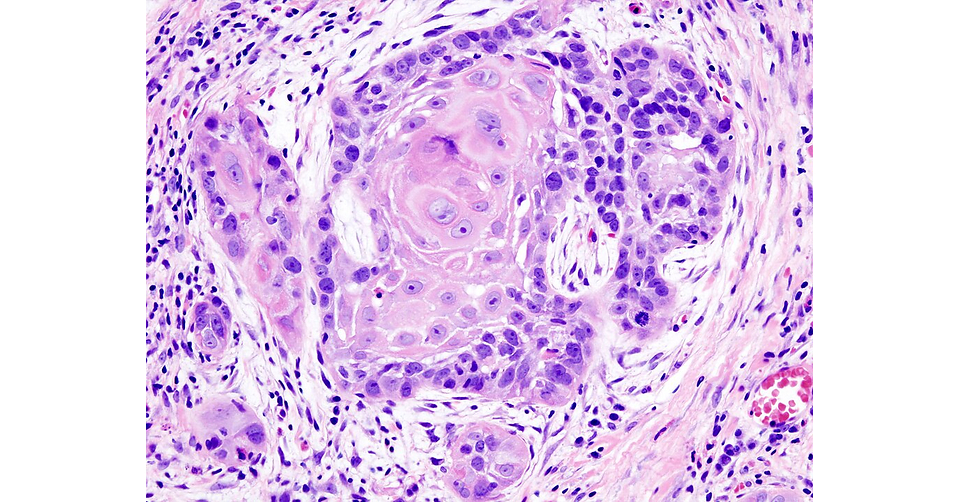
A Hasanuddin University review in the European Journal of Pharmaceutics and Biopharmaceutics highlights that effective local drug delivery for oral squamous cell carcinoma depends on matching delivery system (e.g., mucoadhesive films/patches, sprays, in-situ gels, injectable hydrogels) to tumor geometry, drug properties, treatment duration, and patient-specific oral conditions. The authors stress that salivary clearance and treatment-induced mouth changes (xerostomia and mucosal damage) can impair residence time, adhesion, and drug release, calling for testing under realistic salivary flow, mechanical stress, pH, and enzymatic activity.
Analysis
This is a platform-validation story, not a near-term revenue event. The economic value, if real, will accrue to companies that can combine formulation science with local-retention data and a regulatory path for combo products; that favors specialty delivery platforms, not broad oncology names. In the near term, the market should largely ignore it, but any credible human data would re-rate the niche from “interesting materials science” to a defensible tool for extending exclusivity on older actives and reducing toxicity versus systemic therapy.
The second-order implication is that successful oral-local delivery could shift some care out of infusion-heavy oncology settings into outpatient dental/ENT workflows, which is negative for systemic drug volume but positive for clinicians who can control administration. It could also create a small tailwind for CDMOs and formulation specialists that can test under realistic salivary/mechanical conditions, because reproducibility becomes the moat. The opportunity set is likely years, not months, unless a sponsor already has preclinical or Phase 1 data.
Contrarian view: the market may be underestimating how hard the oral cavity is as a delivery environment. Adhesion, enzymatic degradation, patient heterogeneity, and treatment-induced xerostomia create a high failure rate for elegant formulations that look good in vitro. If a candidate cannot show PK/PD advantage and usability in real-world mucosa, this remains an academic theme; the catalyst to kill it would be a lack of differentiating human data over the next 6-18 months.
AllMind Terminal
AI-powered research, real-time alerts, and portfolio analytics for institutional investors.
Request TrialMarket Sentiment
Overall Sentiment
neutral
Sentiment Score
0.05
Key Decisions for Investors
- No immediate trade: keep broad biotech exposure neutral on this headline; the review has negligible earnings impact and no commercial read-through today.
- Set a 6-12 month alert on oral mucosal/drug-delivery clinical data; only consider a long XBI-style basket after first credible human efficacy or retention readout.
- If a sponsor emerges with a validated oral-local delivery platform, prefer a small long in the platform owner versus a short in a systemic oncology basket on the thesis of toxicity reduction and earlier outpatient use.
- Do not pay up for combo-product stories without PK/PD and usability data; the likely failure mode is regulatory complexity plus poor real-world residence time.
More News
- Nvidia GPUs are everywhere. Here are the ways companies are accessing them
- Bank of America is bullish on these top stocks ahead of earnings
- As companies pour billions into Earth-based AI infrastructure, Google is taking the data center race off-planet
- Verizon stock heads for worst day since 2002 as SpaceX U.S. network plans whack telcos
- AI's Supercharging a Scam Economy Bigger Than the Cocaine Trade
- Big Tech is betting $700 billion on AI. Healthcare will decide whether the bet pays off