
Buchanan Capital Partners Acquires Churchill Tower, a Class A Office Tower in Dallas's Park Central Submarket
Source: PR Newswire
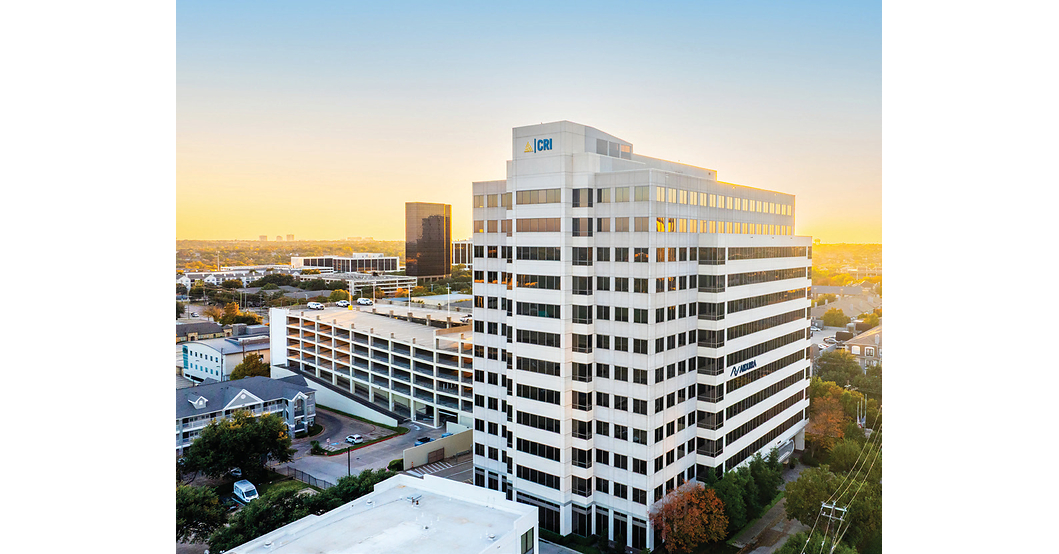
Buchanan Capital Partners acquired Churchill Tower, a 277,268-square-foot Class A office building in Dallas's Park Central submarket that is 93% leased to roughly 50 tenants. The property was renovated in 2025 and was purchased amid subdued institutional demand for office assets, which BCP says enabled an attractive cost basis and going-in yield. Class A rents are approximately 36% below Central Expressway levels, while gross occupancy costs can be up to 50% below competing infill submarkets, supporting BCP's tenant-retention and value-creation strategy.
Analysis
This is a localized clearing-price signal rather than a read-through to listed office REIT NAVs: a stabilized, recently improved suburban Dallas asset can attract private equity even while broad institutional allocations remain constrained. The key underwriting question is whether the buyer acquired durable in-place NOI at a replacement-cost discount; without purchase price, cap rate, debt terms, tenant rollover schedule, and lease-expiry concentration, the claimed yield cannot be translated into a market valuation benchmark. A high occupancy rate can mask near-term risk if the largest tenants have below-market legacy leases or clustered expirations.
For Dallas office, the more consequential second-order effect is the shrinking stock of functional competing space. If retail, medical, and owner-user conversions continue to remove older inventory, remaining renovated Class A suburban buildings gain pricing power before headline office vacancy statistics improve. That supports landlords with well-located, smaller-suite inventory, while commodity suburban assets lacking capital for amenity upgrades face a widening leasing and refinancing gap over the next 6-18 months.
There is no direct fundamental implication for COST from a single neighboring-office transaction. Costco's relevant signal would be a committed store development, traffic data, or disclosed Dallas-area capex—not the office asset's acquisition. The contrarian view is that private buyers are selectively exploiting forced-sale pricing, not declaring a sectorwide office recovery; public office and commercial-mortgage credit should not rerate until transaction volumes demonstrate repeatable cap-rate compression and lenders finance these assets at materially lower spreads.
AllMind Terminal
AI-powered research, real-time alerts, and portfolio analytics for institutional investors.
Request TrialMarket Sentiment
Overall Sentiment
moderately positive
Sentiment Score
0.42
Ticker Sentiment
Key Decisions for Investors
- No directional COST trade on this item. Set an alert for announced Dallas-area Costco development capex, store openings, or membership/traffic disclosures; those are the relevant catalysts for a 6-18 month revenue read-through.
- Maintain a selective, not broad, office-recovery stance over the next 1-3 months. Prefer waiting for disclosed Dallas transaction cap rates, debt sizing, and lease-expiry data before using this deal as support for longs in BXP or KRC; the current evidence is insufficient to underwrite NAV upside.
- For commercial-real-estate credit exposure, monitor CMBS delinquency and special-servicing trends in suburban Dallas office over the next two reporting cycles. A sustained decline in office loan spreads and refinancing defaults would validate the scarcity thesis; worsening maturities or materially higher refinancing coupons would falsify it.
- Watch publicly traded Sun Belt landlords with renovated suburban office exposure, particularly CUZ, for leasing-rate and renewal-spread confirmation at upcoming earnings. A positive thesis requires occupancy stability plus positive cash leasing spreads; either a material occupancy decline or negative renewal spreads argues against adding exposure.
More News
- Costco makes progress on a key membership metric. Here's our new price target on the stock
- Costco tops estimates as discount gas, bulk deals draw inflation-weary shoppers
- Costco Wholesale Corporation Q4 Profit Rises
- Our top 10 things to watch in the stock market Thursday
- 2 Soaring Stocks to Hold for the Next 7 Years
- Why we like Starbucks’ latest turnaround move — plus, two more wins for Eli Lilly
From AllMind Research
- Anthropic IPO Preview: Valuation, Timing, and What to Watch
- Shein After the IPO: Venue, Valuation, and What Must Be Proved
- What AI Research Tools Should a Small Hedge Fund Buy First?
- AI Tools for CFA Charterholders: An Evidence Standard
- Weekly Update: Unstructured Data Search, Ask AI, and Advanced Futures Data