
Adding Lilly’s new drug to Zepbound helped people lose up to 23% of their weight. But there were more side effects.
Source: MarketWatch
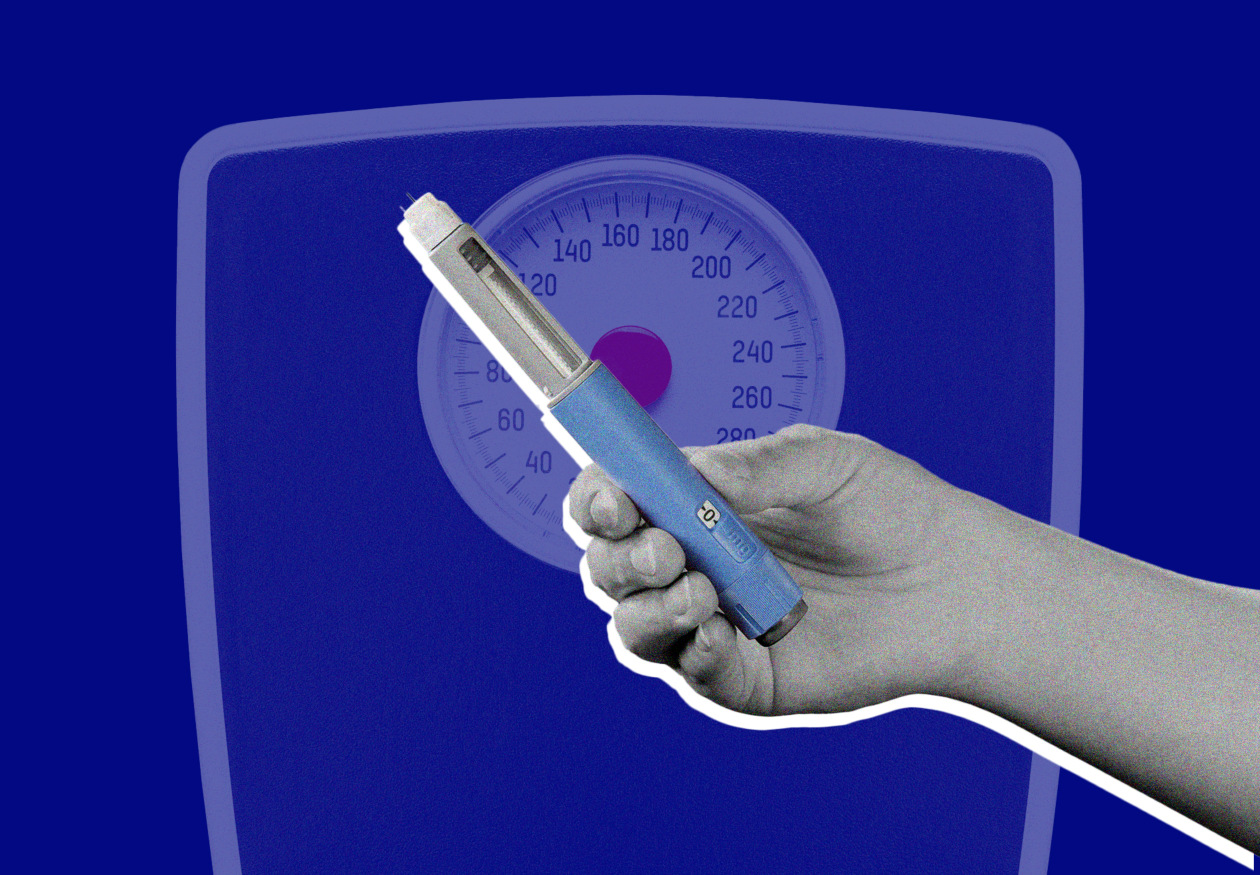
Eli Lilly said an experimental amylin drug combined with tirzepatide (marketed as Zepbound and Mounjaro) helped participants lose up to 23% of body weight in a mid-stage trial. The efficacy result strengthens Lilly's obesity-drug pipeline, but the combination produced more side effects than expected, creating a key tolerability risk for further development.
Analysis
The strategic value is less the incremental efficacy headline than Lilly's ability to defend the premium end of obesity treatment as GLP-1 competition broadens. A credible multi-mechanism regimen could lengthen treatment duration and support price segmentation: standard tirzepatide for mass-market reimbursement, combination therapy for higher-BMI or faster-response patients. That would raise lifetime value per treated patient, but only if discontinuation rates remain manageable; tolerability, not peak weight loss, is likely to determine the commercially relevant dose and realized revenue.
Near-term, the read-through for LLY is modest because mid-stage combination data do not resolve dose selection, discontinuation, cardiovascular outcomes, manufacturing complexity, or payer coverage. The more important 1-3 month catalyst is detailed trial disclosure: adverse-event severity, discontinuations, dose interruptions, lean-mass preservation, and weight regain after treatment. If these metrics are unfavorable, investors should treat the program as a science option rather than add it to obesity revenue estimates.
The second-order risk is that superior efficacy intensifies payer utilization management rather than expands access. Insurers may reserve combination therapy for narrowly defined high-risk patients, limiting volume while raising rebate pressure on base GLP-1 products. Conversely, a tolerable regimen would pressure Novo Nordisk's premium obesity positioning and make it harder for next-generation oral or single-agent entrants to compete solely on convenience.
Consensus may overvalue the maximum observed weight-loss figure. In obesity, the investable differentiator is net clinical benefit at a dose patients can stay on for years; higher gastrointestinal burden can erase theoretical efficacy through lower persistence and higher support costs. Until full data establish a clean persistence profile, LLY's core tirzepatide franchise—not this pipeline asset—remains the earnings driver.
AllMind Terminal
AI-powered research, real-time alerts, and portfolio analytics for institutional investors.
Request TrialMarket Sentiment
Overall Sentiment
mildly positive
Sentiment Score
0.25
Ticker Sentiment
Key Decisions for Investors
- Maintain, do not chase, LLY exposure into detailed-data release. Add only if discontinuation and serious adverse-event rates are near the established tirzepatide range while efficacy remains materially higher; that would support a 6-18 month obesity-franchise multiple premium.
- Use a relative-value watch: long LLY / short NVO only after tolerability data validate a commercially usable regimen. The upside is premium-segment share capture and a widening innovation gap; exit if adverse-event discontinuations imply restricted-label use or if NVO produces superior persistence data.
- Monitor LLY earnings for obesity gross margin, supply-capacity commentary, and realized net pricing rather than prescription growth alone. A deterioration in gross margin or increased rebate commentary would indicate that payer bargaining is absorbing product innovation.
- Treat any immediate LLY rally on peak efficacy as an opportunity to trim tactical exposure if full adverse-event tables are unavailable. The key falsifier for a bullish pipeline re-rating is evidence that higher efficacy requires doses with materially weaker persistence.
More News
- Eli Lilly says closely watched combo obesity regimen boosts weight loss in mid-stage trial
- Could This Company Challenge Eli Lilly and Novo Nordisk in the Weight Loss Market?
- Lilly's EloraTZP (combination of eloralintide and tirzepatide) delivered greater weight loss and A1C reduction vs. tirzepatide 15 mg in adults with obesity and type 2 diabetes
- CoreWeave CEO on New AI Products, Computing Demand
- ‘It’s like psychological warfare’ Trump moves to end $4 billion ‘Housing First’ policy that funded 6,500 projects to eliminate homelessness
- Moderna has been on a tear since mid-August. Citi now sees it plunging 60%
From AllMind Research
- Anthropic IPO Preview: Valuation, Timing, and What to Watch
- Shein After the IPO: Venue, Valuation, and What Must Be Proved
- What AI Research Tools Should a Small Hedge Fund Buy First?
- AI Tools for CFA Charterholders: An Evidence Standard
- Weekly Update: Unstructured Data Search, Ask AI, and Advanced Futures Data