
Gaming and Leisure Properties Is A Buy-The-Dip Opportunity (Rating Upgrade)
Source: seekingalpha.com
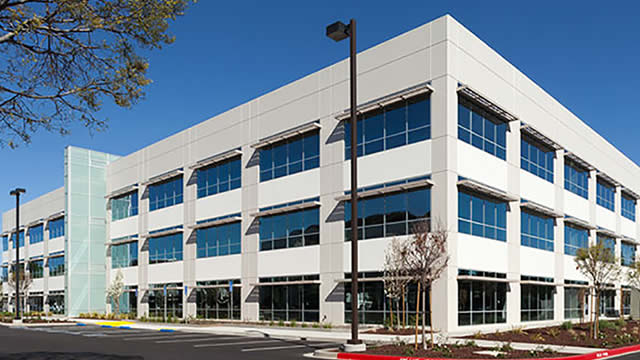
Gaming and Leisure Properties was upgraded to strong buy after an 11% price drop, with the article describing the pullback as a buy-the-dip opportunity. AFFO per share grew 10% year over year, and management expects nearly 6% growth in 2026; long leases, 100% occupancy and tenant rent coverage support stability, though tenant concentration remains a risk.
Analysis
The drawdown is not, by itself, evidence of mispricing: the key question is whether it reflects broad rate-driven REIT de-rating or a reassessment of tenant credit, lease economics, or development returns. If the former, GLPI’s contracted rent profile may support relative resilience; if the latter, stable reported occupancy could lag deterioration in tenants’ ability to pay. In the next 1–3 months, watch tenant-level rent coverage and liquidity, rent collection, AFFO guidance, and the cause of the selloff. Over 6–18 months, development contributes value only if projects are delivered on time and yields remain attractive relative to GLPI’s incremental financing costs. Higher long-term yields or wider credit spreads could pressure both the equity multiple and project economics; a tenant stress event could expose concentration risk and weaken the stability premium. The contrarian opportunity is that investors may be extrapolating rate sensitivity or headline concentration too aggressively, but the supplied information does not establish valuation cheapness or explain the decline. Peer performance, debt maturities, and development-level yields need verification before sizing beyond a starter position.
AllMind Terminal
AI-powered research, real-time alerts, and portfolio analytics for institutional investors.
Request TrialMarket Sentiment
Overall Sentiment
moderately positive
Sentiment Score
0.48
Ticker Sentiment
Key Decisions for Investors
- Consider a staged, modest GLPI long rather than treating the 11% decline as an automatic buy signal; add only after confirming the selloff is not tied to tenant-credit deterioration or a material change in financing costs.
- Over the next earnings cycle, monitor tenant rent coverage and liquidity, rent collections, AFFO guidance, and development commitments. Cut or avoid adding if coverage weakens, collections slip, or guidance is reduced.
- Compare GLPI’s performance with VICI Properties and listed REIT benchmarks to distinguish company-specific repricing from sector-wide rate pressure; do not infer relative value without current valuation and balance-sheet data.
- Falsification: a tenant distress or rent renegotiation event, worsening credit spreads/refinancing terms, or development yields falling below incremental funding costs would undermine the buy-the-dip thesis. No options position is warranted on the supplied evidence alone.
More News
- Why is Domino’s Pizza Enterprises stock sliding today?
- South Korean carmaker Hyundai plans 'strategic' investment of $15.5 billion in India by 2032
- Applied Materials’ $5 billion AI lab aims to cut chip development time in half—and restore Silicon Valley’s edge
- Wells Fargo CFO on Earnings, Deals, Consumer Strength
- Bank of America hit with more than $1.2 billion in penalties over money-laundering violations
- Meta’s Muse models reach the AI frontier—and kill any hopes to ‘pace’ it