
Agentic AI and Network Security Take Center Stage at Software Mind's Telco Days 2026 With Telefónica, Amdocs and IBM
Source: PR Newswire
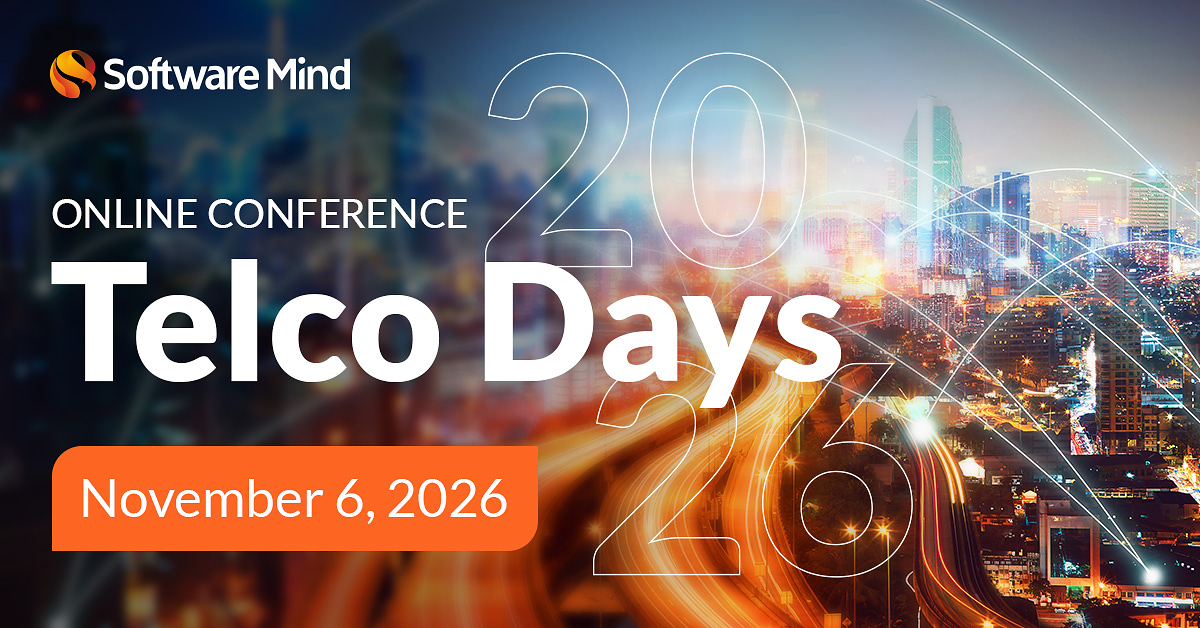
Software Mind will host a free online telecom conference on November 6, 2026, from 9:00 a.m. to 5:30 p.m. CET, focused on agentic AI and network security. The agenda includes a ROCCO survey of more than 300 telecom leaders, a session on generative AI-enabled SMS fraud and defense, and presentations involving Telefónica, Amdocs, IBM and other companies. The article announces the event and its topics but provides no financial results or market-moving company developments.
Analysis
The signal is commercial positioning, not evidence of incremental revenue: a vendor-hosted conference and planned case studies do not establish production scale, customer economics, or contract wins. The investable question is whether telecom AI shifts from labor-saving pilots to recurring, network-embedded software spend. If operators deploy autonomous systems, reliability and fraud controls become gating requirements; that could favor vendors with carrier-specific integration and security capabilities over generic AI tooling. It also raises the cost of failure: service disruption, fraud losses, and customer churn could make operators slower to approve autonomy than conference messaging implies.
For Telefónica (TEF), the operating-model case is potentially more relevant than near-term AI monetization: validate whether delivery changes translate into durable cost reductions without degrading service. For Amdocs (DOX), AI-enabled BSS monetization is a plausible product narrative, but the event provides no bookings or adoption evidence. IBM’s presence alone is not a demand signal. Specialist signaling-security providers may benefit if AI-enabled SMS fraud increases, though the article does not quantify the threat or identify customer commitments.
Days: limited standalone catalyst; avoid trading the promotional event. Over 1–3 months, look for named deployments, contract values, and measurable production use. Over 6–18 months, deployment economics and incident rates determine whether AI expands software budgets or adds costly controls. Contrarian risk: the market may overvalue AI optionality while underpricing integration, governance, and liability costs. No directional trade is justified from this item alone.
AllMind Terminal
AI-powered research, real-time alerts, and portfolio analytics for institutional investors.
Request TrialMarket Sentiment
Overall Sentiment
neutral
Sentiment Score
0.10
Ticker Sentiment
Key Decisions for Investors
- No event-driven position in TEF, DOX, or IBM: the announcement supplies no independently verifiable bookings, adoption, or earnings impact.
- Put TEF and DOX on a 1–3 month evidence watch: seek production deployments, customer retention or monetization metrics, and quantified operating-cost savings before upgrading the thesis.
- Monitor telecom fraud and signaling-security demand as a potential second-order beneficiary theme; do not assume a revenue tailwind without customer wins or disclosed product uptake.
- Falsify the AI-efficiency thesis if subsequent company disclosures show pilots failing to reach production, no measurable cost or revenue contribution, or rising service-quality and security incidents.
More News
- Anthropic's third-quarter revenue is said to hit $16.8 billion ahead of IPO
- Why is Samsung Electronics stock plunging today?
- SK Hynix plunges 8% amid Asia tech rout as Fed rate hike fears, AI funding worries mount
- Elon Musk says Trump is 'ultimately' responsible for any curbs on Ukraine's Starshield systems
- SK Hynix seeks U.S. chip equipment exports to China tied to new factory
- Dell stock plunges 11%, leading data center sell-off on concerns about 'enterprise AI timing'
From AllMind Research
- Anthropic IPO Preview: Valuation, Timing, and What to Watch
- Shein After the IPO: Venue, Valuation, and What Must Be Proved
- What AI Research Tools Should a Small Hedge Fund Buy First?
- Can ChatGPT or Claude Replace a Research Platform?
- How the 2026 Milan-Cortina Winter Olympics Will Reshape Company Revenues and Stock Performance