
XD THERMAL développe une architecture de refroidissement intégrée pour une plateforme européenne de bus électriques
Source: PR Newswire
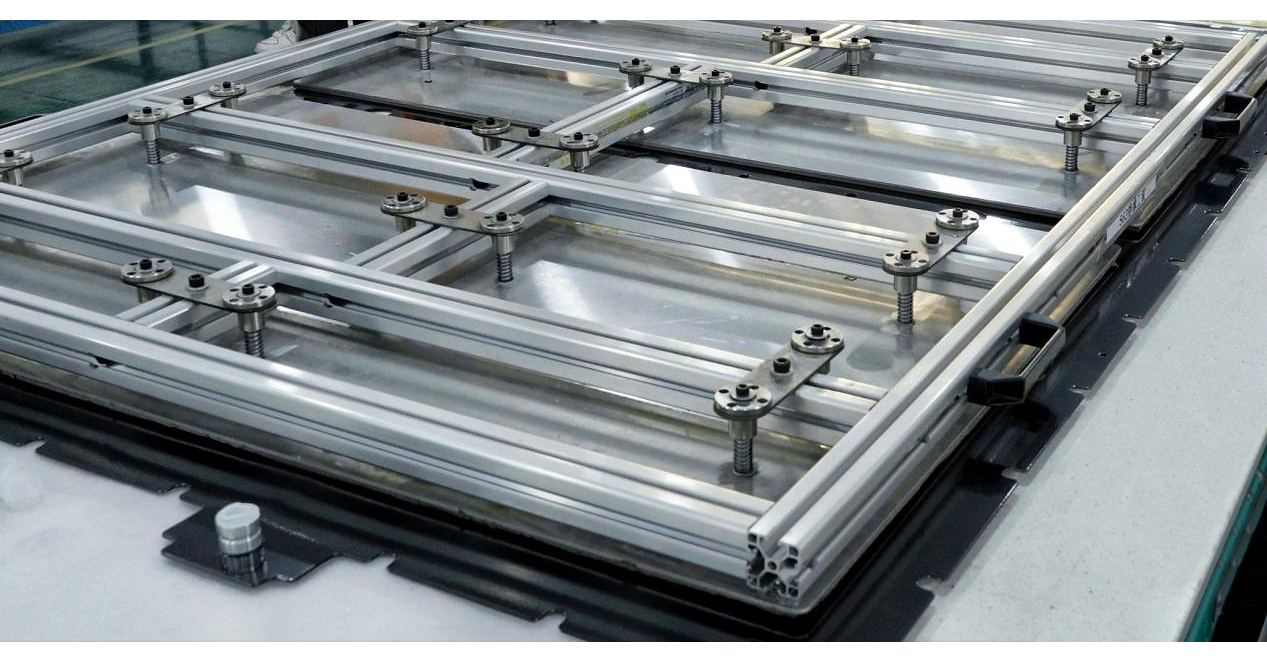
XD THERMAL a finalisé une architecture de refroidissement liquide double face intégrée pour une plateforme européenne de bus électriques avec une batterie de 35,3 kWh. Le prototype a été livré en ~6 semaines et la conception a atteint le stade de production en ~2 mois, réduisant d’environ 25% le nombre de composants de refroidissement et simplifiant l’assemblage. La société affirme une meilleure répartition de la chaleur et des efforts de validation d’étanchéité (air/hélium) et de procédés de revêtement multifonctionnels, avec une montée en production en série visée d’ici fin 2026.
Analysis
This reads more like a proof point for system-level content capture than a near-term demand catalyst. The economic value is in who owns the integration layer: firms that can combine thermal, structural, and validation know-how should take share from suppliers of standalone plates, hoses, and brackets as OEMs push for fewer parts and faster SOPs. That favors specialized thermal-management players with manufacturing discipline; the market is likely underappreciating how much of the margin accrues through lower warranty risk and easier certification, not just BOM reduction.
The second-order effect is on commercial EV platform economics. In buses and heavy trucks, even small reductions in part count can matter because downtime and thermal-related failures are disproportionately expensive, so the payback shows up first in fleet TCO rather than passenger EV sales. Public proxies that could benefit over 1-3 quarters include MOD and, to a lesser extent, DTG/ VLVLY if they can convert thermal integration into higher-content platform wins; the losers are commoditized Tier-2 thermal component vendors that compete on price and lack co-design capability.
Contrarian view: the street may be too quick to extrapolate this into broad EV enthusiasm. This is still a prototype-to-production risk story, and the key failure mode is manufacturability: sealing, coatings, and repeatable quality can delay ramp by months even if the lab result is good. If IAA commentary does not translate into named fleet/program wins by year-end, this becomes a design-engineering story rather than an earnings story.
AllMind Terminal
AI-powered research, real-time alerts, and portfolio analytics for institutional investors.
Request TrialMarket Sentiment
Overall Sentiment
mildly positive
Sentiment Score
0.15
Key Decisions for Investors
- Long MOD on weakness over the next 1-3 months; use as the cleanest public proxy for EV battery-thermal integration. Risk/reward is attractive if commercial EV backlog or margins inflect, but invalidate if EV-related order commentary stays flat into the next print.
- Set a tactical alert on DTG and VLVLY into IAA Transportation / autumn fleet commentary. Add only if management signals repeatable program wins or margin uplift; otherwise stay flat because the near-term revenue impact is likely too small to matter.
- Relative-value idea: long MOD / short BWA for 3-6 months as a hedge against broad auto-beta. Thesis is that specialized thermal integration should re-rate faster than diversified suppliers with more diffuse EV content; cut the pair if BWA shows unexpected thermal or e-mobility mix acceleration.
- Do not force a broad EV-long here. If you need theme exposure, wait for evidence that the prototype is converting to serial production before buying sector proxies like DRIV or an EV bus-related basket.
More News
- One Singapore ship was sunk, but here's why others are still transiting the Strait of Hormuz
- Order to limit Starshield for Ukraine came from inside White House: Reuters reports
- The IPO drought is driving private equity-owned companies to the debt market to pay investors
- CoreWeave credit default swaps hit distress levels as investors sour on AI debt
- BOE Chief Says Energy Shock Delays 2% Inflation Target
- FDA approves Enspryng for thyroid eye disease treatment