
US and Iran Are Reviewing Proposals to End Middle East Conflict
Source: Bloomberg
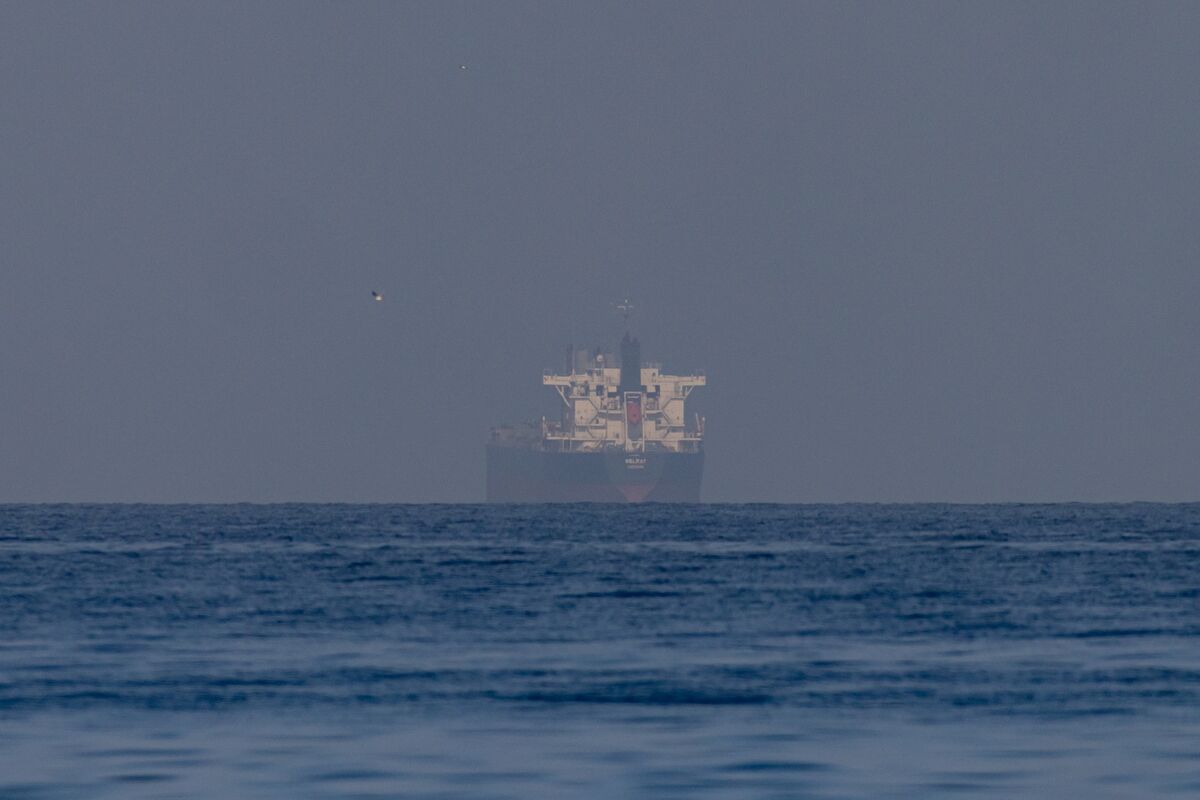
The US and Iran are reviewing mediator proposals to resolve their differences, with Qatari mediators expecting feedback within two days. The US also carried out limited strikes on Iran’s Qeshm Island to help ships transit the Strait of Hormuz safely, while leaving open the possibility of escalation.
Analysis
The market mechanism is a two-sided volatility shock, not yet a clean directional oil signal. In the next 48 hours, mediator feedback is a binary catalyst: credible progress could unwind a portion of the prompt geopolitical premium, while failed talks or further strikes could reprice the probability of impaired Hormuz transit. The key distinction is whether shipping risk actually changes—insurance costs, vessel routing and loadings matter more than strike headlines alone.
Over 1–3 months, sustained transit disruption would likely lift prompt crude and freight/insurance costs, benefiting upstream producers while pressuring fuel-intensive transport and import-dependent refiners. Tanker economics are ambiguous: higher rates can help owners, but fewer safe voyages or delayed loadings can overwhelm that benefit. Over 6–18 months, a persistent risk premium could accelerate buyer diversification and strategic inventory, but would not automatically translate into durable higher prices if supply reroutes or demand weakens.
Contrarian point: the limited, shipping-focused action may be intended to deter interference rather than signal a broader campaign; treating every escalation headline as evidence of imminent supply loss risks buying an already elevated event premium. Conversely, diplomatic headlines are not proof of operational de-escalation. Verify vessel transits, insurance availability, loadings and mediator terms before turning the event into a structural energy thesis.
AllMind Terminal
AI-powered research, real-time alerts, and portfolio analytics for institutional investors.
Request TrialMarket Sentiment
Overall Sentiment
mildly negative
Sentiment Score
-0.20
Key Decisions for Investors
- Avoid a large outright crude position ahead of the two-day diplomatic window. For event exposure, consider a small, defined-risk Brent call spread rather than naked futures; size for a rapid premium unwind if talks advance.
- Watch Brent time spreads, tanker freight and war-risk insurance alongside physical transit and loading data. A sustained deterioration in those indicators—not headlines alone—would strengthen the case for adding energy exposure; normalization would argue for taking it off.
- Potential relative-value expression if disruption persists: favor diversified upstream exposure over fuel-sensitive transport, while treating tanker operators as a separate, mixed trade rather than an automatic beneficiary. Confirm company-level route exposure and earnings sensitivity before implementation.
- Falsifiers: verified normalization of Hormuz transits and insurance availability, or a credible agreement followed by reduced military activity, would weaken the bullish crude-risk thesis. Further strikes, vessel incidents, or measurable loading delays would invalidate the de-escalation case.
More News
- The Strait of Hormuz closure has cost Europe an extra $142 billion for the same energy it was already buying
- Texas race results could kick AI trade while it's already down
- US hits Qeshm Island, Pezeshkian signals more diplomacy: Iran war latest
- Global food security is under threat
- Opening Statement before the House of Commons Standing Committee on Finance
- Why we're keeping a hold rating on DuPont despite its beat-and-raise quarter