
Charles Schwab reports record $7.2bn revenue as quarterly profit rises 23%
Source: proactiveinvestors.com
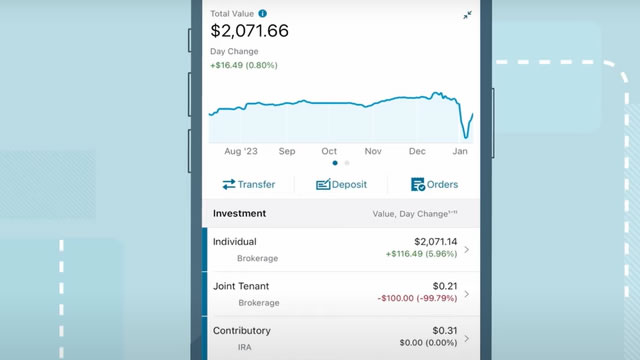
Charles Schwab reported record third-quarter revenue of $7.17 billion, up 17% year on year, while net income rose 23% to $2.91 billion. Diluted EPS increased 29% to $1.62 from $1.26 a year earlier, supported by stronger client asset inflows, lending and interest income.
Analysis
The key underwriting question is durability, not the reported growth rate: stronger lending and interest income can lift earnings quickly, but may be less durable than fee revenue if rates fall or client cash shifts into higher-yielding alternatives. The asset-inflow signal is more structurally valuable only if flows persist and translate into stable balances and recurring fees; gross inflows alone do not establish that. The near-term market test is the earnings bridge—net interest margin, deposit and client-cash trends, fee mix, and expense growth—not the headline EPS comparison.
Over the next 1–3 months, guidance and subsequent flow disclosures should clarify whether earnings momentum is broad-based or rate-sensitive. Over 6–18 months, a lower-rate environment could reduce reinvestment yields and lending income, while potentially easing pressure to retain client cash; the net effect depends on deposit costs, asset mix, and fee conversion. Brokerage competitors, including Fidelity and Interactive Brokers, could benefit if Schwab’s client cash economics become less attractive, but the article provides no evidence of market-share changes. The upside case is durable net new assets and fee conversion; the downside is earnings normalization despite continued client growth.
AllMind Terminal
AI-powered research, real-time alerts, and portfolio analytics for institutional investors.
Request TrialMarket Sentiment
Overall Sentiment
moderately positive
Sentiment Score
0.55
Ticker Sentiment
Key Decisions for Investors
- Do not chase the earnings headline alone. Consider a measured long in SCHW only if the report’s detailed disclosures confirm sustained net new assets and stable or improving net interest economics; size against the risk that current income momentum is rate-sensitive.
- For the next 1–3 months, monitor net interest margin, client cash balances, deposit costs, fee-revenue mix, and expense growth. Treat deterioration in these measures alongside continued inflows as evidence that asset growth is not converting into durable earnings.
- Falsify the constructive thesis if management lowers interest-income guidance, client cash outflows accelerate, or fee growth fails to track asset growth. A broad decline in rates is a key downside catalyst unless lower funding costs and stronger fee conversion offset it.
- No options trade is justified by the supplied information alone: valuation, detailed earnings composition, guidance, and the market’s expectations are missing. Reassess after those data are available rather than assigning a price target.
More News
- Crude Oil Moves Higher; Charles Schwab Shares Fall After Q3 Results
- Friday's big stock stories: What’s likely to move the market in the next trading session
- Charles Schwab Q3: A Quality Compounder Trading At 12x Earnings
- Morning Bid: Coreweave unravels
- CoreWeave credit default swaps hit distress levels as investors sour on AI debt
- Brian Sullivan: Why the 'real' price of oil is likely $30-$40 higher than where it is now