
Carestream Healthcare International mejora el detector DRX LC
Source: PR Newswire
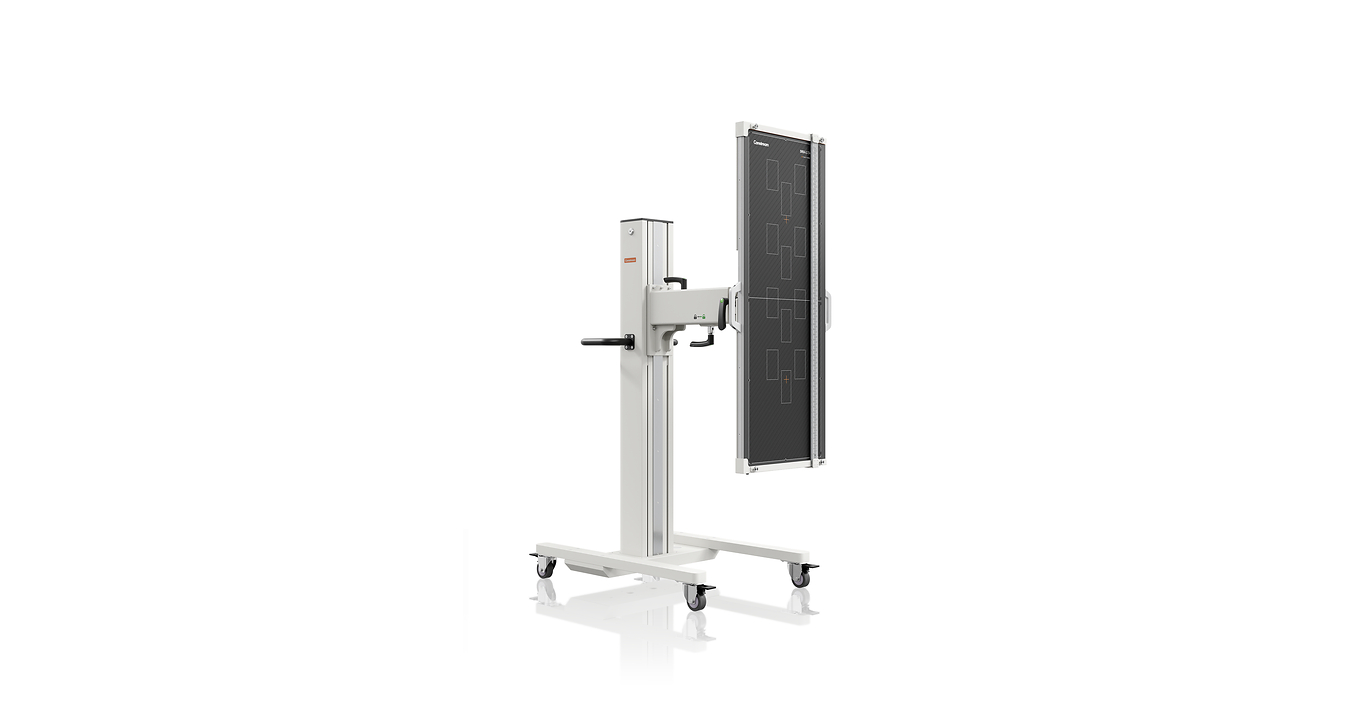
Carestream Healthcare International presentó una nueva versión del detector DRX LC para imágenes de gran longitud, destacando adquisición en una sola toma para huesos largos y columna. La actualización incorpora control de exposición (DEC) para mejorar uniformidad y reducir variabilidad de dosis, y cancelación inteligente de ruido (SNC) basada en inteligencia artificial para mayor nitidez con menor dosis. El anuncio es principalmente de producto/innovación y sugiere mejoras en eficiencia del flujo de trabajo y experiencia del paciente, sin cifras financieras reportadas.
Analysis
This reads as a narrow feature upgrade, not a step-function commercial event. In med-tech, the economic value of “better image quality” only matters if it changes procurement outcomes or procedure economics; otherwise it is mostly marketing noise. The near-term market impact should be minimal, but the strategic signal is that competition is shifting from pure hardware specs toward workflow automation, dose management, and software integration.
The likely winner is the broader imaging platform with service density and bundling power, not the standalone detector niche. That favors diversified incumbents like GE HealthCare and Philips Healthcare over component-heavy suppliers if hospitals decide the upgrade is part of a wider fleet refresh. The main loser risk sits with detector vendors exposed to retrofit pricing pressure, especially if buyers use AI-enabled features as a reason to delay larger capital purchases until next cycle.
Over the next 1-3 months, I would expect this to move only if there are channel checks or design-win disclosures. Over 6-18 months, the more interesting effect is that improved dose efficiency and one-shot workflow could modestly lengthen replacement cycles for older systems, which paradoxically helps premium OEMs with integrated ecosystems while compressing margins for commodity refresh suppliers. The contrarian point: the market tends to overpay for “AI” labels in imaging; without evidence of incremental volume, this is probably a share-shift story, not a demand-creation story.
Falsifiers are concrete: if no OEM wins, no ASP improvement, and no backlog commentary appear in the next two earnings cycles, the thesis should be abandoned.
AllMind Terminal
AI-powered research, real-time alerts, and portfolio analytics for institutional investors.
Request TrialMarket Sentiment
Overall Sentiment
mildly positive
Sentiment Score
0.25
Key Decisions for Investors
- No immediate trade: treat this as watchlist noise until channel checks or quarterly calls show real design wins; reassess in 1-2 quarters.
- If evidence emerges that long-length detector refreshes are accelerating, consider a 3-6 month pair trade: short VREX / long GEHC, targeting modest relative underperformance of the standalone detector name versus the diversified platform.
- Use any broad weakness in GEHC only as a staged entry, not as an event-driven buy on this headline; the catalyst is portfolio-level imaging demand, not this product note.
- Set an alert for VREX earnings/backlog commentary: if management cites pricing pressure or slower retrofit conversion, use rallies to initiate a tactical short; if they disclose OEM share gains, stand aside.
More News
- Indonesian stocks plunge to six-year low as MSCI downgrade fears mount
- Putin reportedly suggests summit with Trump and Xi to decide fate of Ukraine
- China's CXMT sees shares drop over 6% as investors look past chipmaker's profit turnaround
- Asian stocks skid, Wall Street and bonds aided by oil slip
- Australia’s Cleanaway agrees to $6.5 bln EQT buyout bid; shares surge
- India’s Finance Minister blames easy exits and excess liquidity for equity market's underperformance