
The 5 big voting issues in the midterm elections that will impact your wallet
Source: marketwatch.com
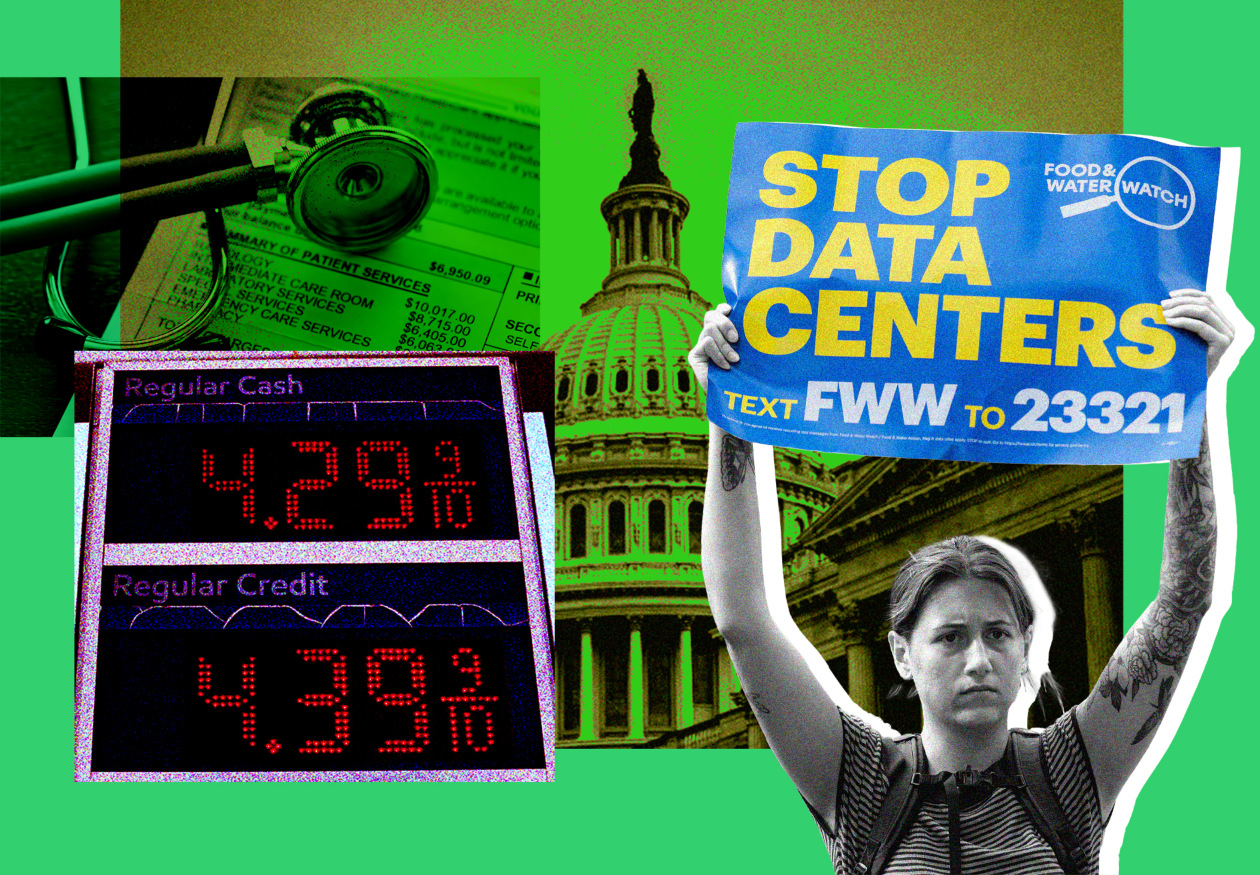
The article says the Nov. 3 midterm results could affect household finances in at least five areas, including fuel prices and taxes, though this excerpt does not detail the other issues. The House is widely expected to shift to Democratic control while Democrats appear somewhat favored, but less certain, to win the Senate; the president’s party will retain the executive branch.
Analysis
The investable signal is not the consumer-facing framing but the probability of policy gridlock. If divided control is the base case, markets may overprice immediate changes to taxes, tariffs, or energy policy: legislation faces more veto points, so election-night moves should be treated as positioning shocks unless they are followed by executable policy. A change in Senate control would matter more for fiscal legislation and confirmations, but still would not guarantee enactment.
Near term (days), watch rates, the dollar, and sector dispersion rather than assume a broad market direction. Over 1–3 months, the useful catalyst is concrete legislative text, budget negotiations, or tariff/energy actions—not campaign proposals. Over 6–18 months, policy uncertainty can affect investment and supply-chain decisions, but the article excerpt does not identify the five issues or quantify exposure, so company-level earnings calls are not supportable.
Contrarian view: election coverage can imply a direct household-cost catalyst where the market mechanism is slower and conditional. A gridlocked outcome may preserve the status quo and dampen policy-driven volatility; a surprisingly unified Congress could instead raise the odds of larger fiscal or trade-policy changes. No directional trade is justified from this excerpt alone.
AllMind Terminal
AI-powered research, real-time alerts, and portfolio analytics for institutional investors.
Request TrialMarket Sentiment
Overall Sentiment
neutral
Sentiment Score
0.00
Key Decisions for Investors
- Do not initiate a broad election-driven equity or energy position solely on this article. First obtain the omitted list of issues and map each to specific proposed legislation or executive action.
- Use the result as a volatility and relative-value watch: compare front-end rates, the dollar, and energy-sector performance around the vote, but trade only if policy odds move beyond the initial headline reaction.
- For a 1–3 month catalyst, require evidence of implementation—bill language, budget provisions, or formal tariff/energy action. Reassess if the election produces unified control or a material policy announcement; a divided result without follow-through weakens the trade thesis.
- Falsifiers: no measurable change in legislative probability or policy text, or market pricing that reverses the election-related move within the following weeks. Verify the actual issue proposals and their legislative or executive route before assigning sector winners and losers.
More News
- Federal Reserve is likely to hold interest rates steady in October. Here's what that means for consumers
- A shock in Brazil sends stocks plunging, while neoclouds take another hit
- EQT becomes the nation’s leading natural gas ‘juggernaut’ with a $13B deal as data center, export demand surges
- Lula wins Brazil runoff after prediction markets favored Bolsonaro
- Brazil’s real sinks after Lula’s re-election victory
- Trump says Brazil election looked ’rigged’, defeated Bolsonaro’s party recognizes Lula win