
Next Africa: Tackling a $4 Trillion Capital-Allocation Mismatch
Source: Bloomberg
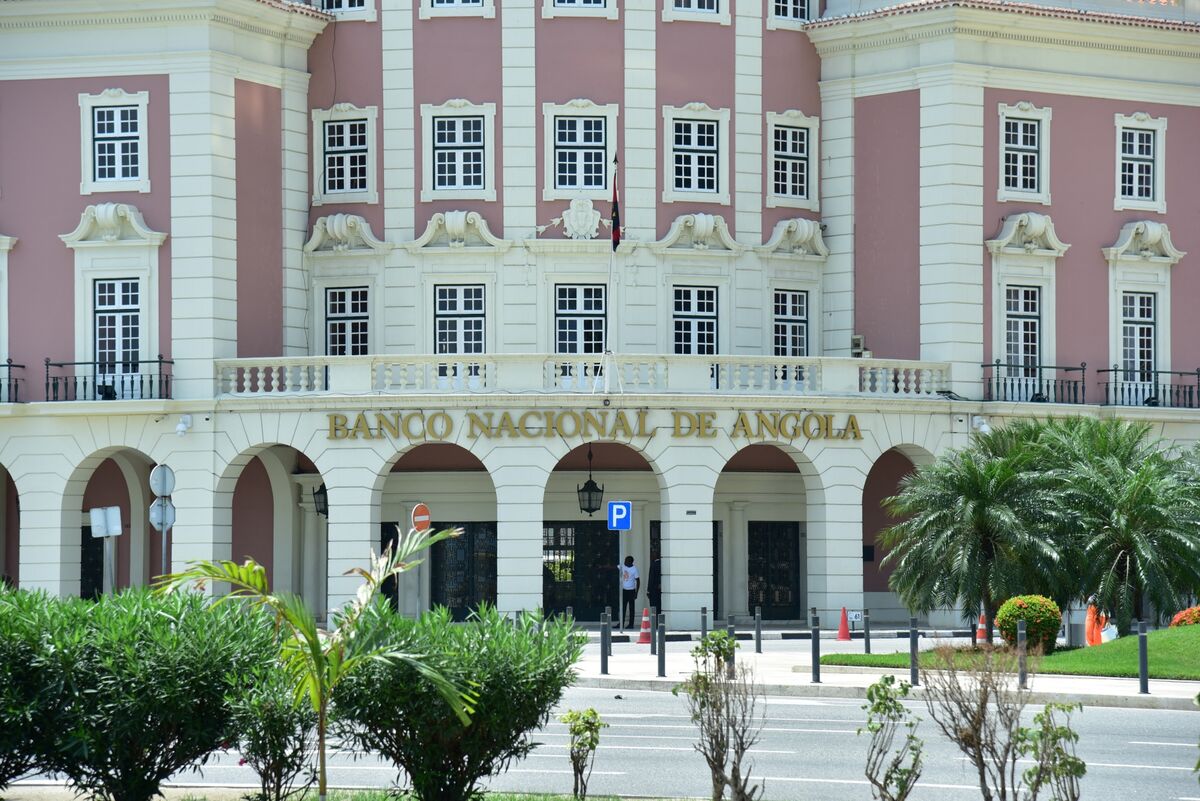
Africa Finance Corp. estimates the continent holds more than $4 trillion in domestic financial assets and savings, but only a fraction is deployed in long-term projects. The article frames this as an investment-allocation mismatch; it provides no further figures or proposed remedies.
Analysis
The key question is not whether savings exist, but why they do not clear into financeable long-duration projects. Treat this as an intermediation and risk-allocation problem—not evidence of an imminent infrastructure spending boom. Domestic institutions may be constrained by liquidity mandates, currency mismatch, limited project pipelines, or political and execution risk; removing only one constraint may leave capital undeployed. If reforms do improve bankability and local-currency financing, the second-order beneficiaries could include project developers, construction suppliers, and domestic capital markets, while banks could face competition for deposits or pressure to lengthen asset duration. The near-term signal is weak: no policy change, project commitments, or funding terms are provided. Over 1–3 months, watch for concrete vehicles, allocations, and currency-risk guarantees; over 6–18 months, assess whether these produce financial close and recurring disbursements. Contrarian point: a large pool of savings can be a misleading headline if it is not investable at the required tenor, risk, and currency. No broad directional trade is justified from this excerpt alone.
AllMind Terminal
AI-powered research, real-time alerts, and portfolio analytics for institutional investors.
Request TrialMarket Sentiment
Overall Sentiment
neutral
Sentiment Score
-0.10
Key Decisions for Investors
- No immediate position. Treat the figure as a capital-mobilization theme, not a forecast of near-term construction revenue or earnings.
- Put African infrastructure financing vehicles, domestic banks, and relevant sovereign spreads on watch; upgrade the thesis only after verifying committed capital, project-level financial closes, and the share funded in local currency.
- Potential conditional expression: favor diversified infrastructure exposure over an unhedged country-specific bet only if new mechanisms demonstrably reduce FX and execution risk; define entry after disclosed allocations rather than on the headline.
- Falsify the bullish structural thesis if announced facilities fail to reach financial close, disbursements remain limited, or local-currency funding costs and sovereign risk rise enough to deter projects.
More News
- Tech stocks are suffering their biggest selloff since Covid, as investors see premature end to AI datacenter boom
- Elon Musk's Tesla and SpaceX lose over $420 billion in combined market cap after midterms
- Shield AI To Hit $28.8 Billion Value With $5.3 Billion Radar Acquisition
- Overbought Nifty May Find Fresh Fuel as AI Stocks Tumble Globally
- South Korea’s KOSPI halts trade after 8% wipeout on AI losses
- Japan’s Nikkei Poised to Enter Bear Market as AI Selloff Deepens