
American College of Surgeons Emergency Surgery Verification Linked to Lower Death Rates, Shorter Hospital Stays
Source: PR Newswire
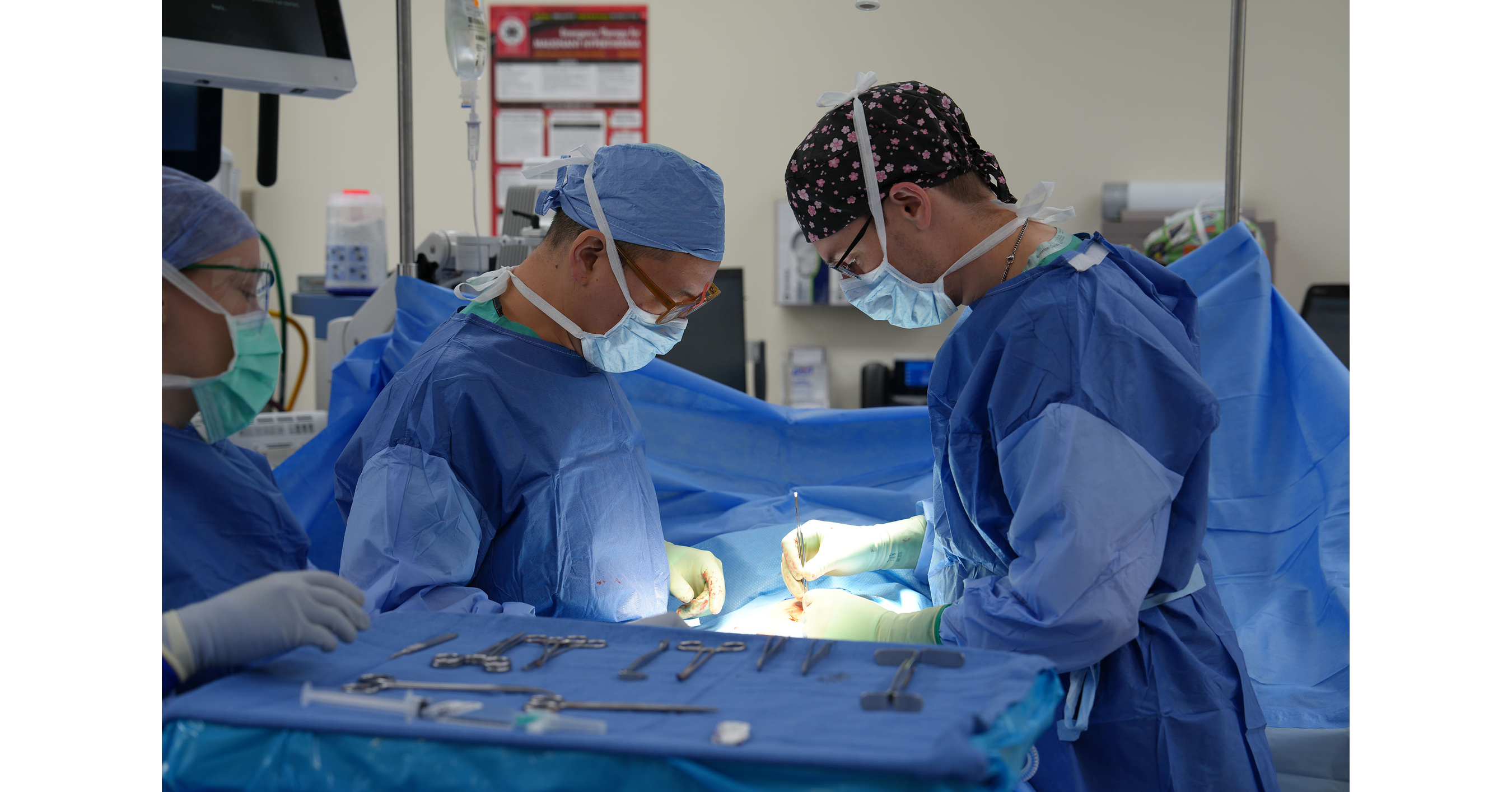
A study of 21,858 emergency general surgery patients across 55 hospitals found that, relative to changes at non-verified hospitals, ACS Emergency General Surgery Verification was associated with a 28.8% lower 30-day postoperative death rate, a 29% lower acute kidney injury rate, and hospital stays shorter by 1.31 days (19.7%). At five verified hospitals, median time from admission to surgery fell 10.7 hours, from 31.9 to 21.2 hours, while admission to an emergency general surgery service rose from 74.8% to 85.7%. The findings are early and based on a limited follow-up period; hospital selection and other differences may have influenced results.
Analysis
The investable mechanism is hospital capacity and cost per case—not a broad healthcare-quality rerating. Shorter stays could free staffed beds for additional admissions where demand is constrained, but any EBITDA benefit depends on whether hospitals can refill capacity and whether avoided resource use exceeds the cost of added coordination, staffing, and verification. Under fixed or bundled payments, lower complications may accrue to providers; under fee-for-service, shorter stays can reduce revenue unless capacity is redeployed. The study does not establish the size of either effect.
Evidence is promising but not yet a scalable earnings signal: only five hospitals became verified, participation was voluntary, and follow-up was limited. Selection effects, changing case mix, and regression to the mean could account for some apparent improvement. The press release’s financial-outcome claims should therefore be treated as hypotheses pending replication and hospital-level cost data.
Near term, no sector trade is warranted. Over 1–3 months, watch for independent replication and additional hospitals adopting the program. Over 6–18 months, the signal strengthens only if adoption produces sustained reductions in complications and length of stay without worsening readmissions or requiring uneconomic staffing. A possible eventual relative beneficiary is a hospital operator able to convert released capacity into higher throughput; the same process may disadvantage facilities that bear implementation costs but lack demand or surgical coverage. Verify adoption and emergency-surgery exposure before attributing this to HCA Healthcare, Tenet Healthcare, or other operators. Thesis weakens if follow-up results fail to reproduce, readmissions rise, or reported operating costs offset capacity gains.
AllMind Terminal
AI-powered research, real-time alerts, and portfolio analytics for institutional investors.
Request TrialMarket Sentiment
Overall Sentiment
moderately positive
Sentiment Score
0.45
Key Decisions for Investors
- No immediate trade: the evidence is too narrow to support a change in hospital-sector earnings estimates or a broad healthcare position.
- Set an alert for follow-up studies and disclosures on verification adoption, emergency-surgery case mix, length of stay, readmissions, and cost per case; seek operator-level evidence before sizing exposure.
- If replicated outcomes coincide with rising surgical throughput and stable or lower cost per case, consider a selective long in operators demonstrating those metrics—not a sector-wide basket. Avoid assuming that shorter stays alone improve margins.
- Falsification triggers: no sustained improvement in later cohorts, higher readmissions or staffing costs, or evidence that freed beds cannot be productively refilled.
More News
- How Abdul El-Sayed would build Medicare for All, from a wealth tax to a Fed-style governing board
- BillionToOne SVP John ten Bosch sells $320,723 in stock
- CVS Plans to Break Up $117 Billion Healthcare Conglomerate
- Sight Sciences earnings missed by $0.48, revenue topped estimates
- Novo raises full-year outlook as Wegovy sales impress
- Stifel raises Zimmer Biomet stock price target on strong quarter