
Brayton Purcell LLP destaca la investigación de Bloomberg Businessweek sobre la creciente crisis de silicosis por piedra artificial en Estados Unidos
Source: PR Newswire
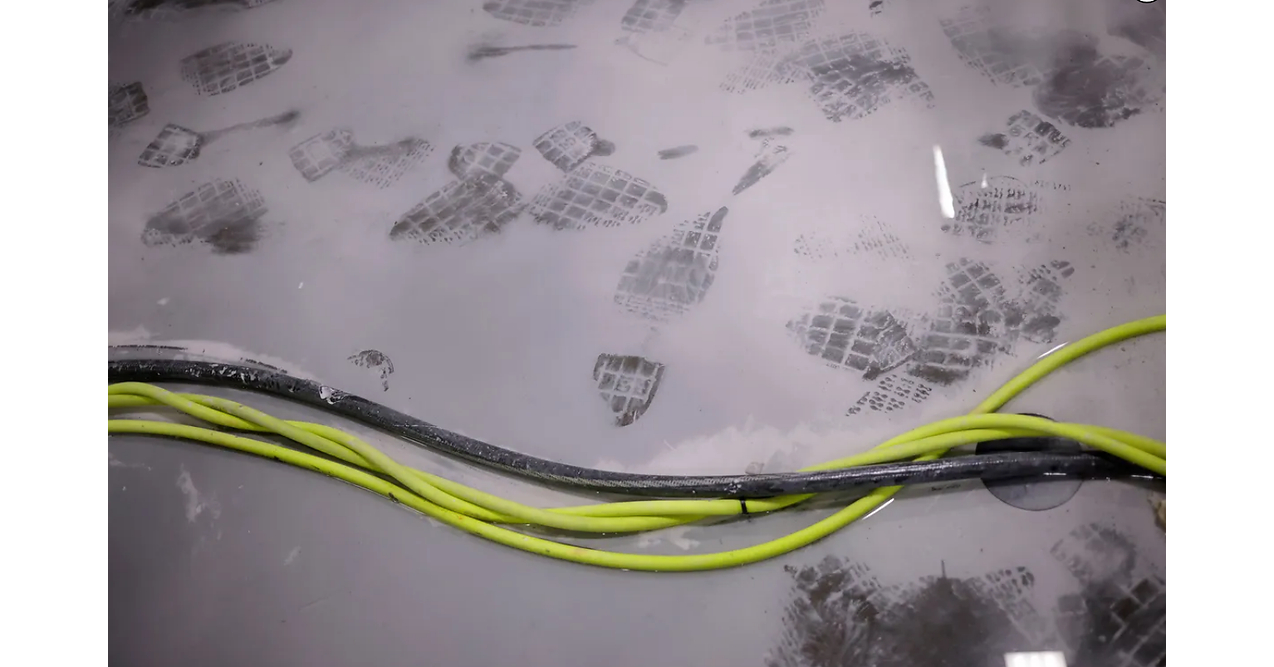
Bloomberg Businessweek’s investigation highlights a growing U.S. silicosis crisis among engineered-stone countertop workers, with the material containing at least 90% respirable crystalline silica and linked to fatal accelerated disease. Litigation is expanding against manufacturers and distributors including Cambria, Caesarstone, Cosentino, Daltile and others, as affected workers seek potentially billions of dollars in damages. Regulatory risk is rising after Australia’s 2024 national manufacturing ban and California’s efforts to prohibit fabrication of engineered stone containing crystalline silica.
Analysis
CSTE faces a potentially asymmetric liability-and-volume squeeze: occupational claims can create long-tail reserve uncertainty while tighter fabrication rules reduce demand for its highest-silica product mix. The larger earnings risk is not a single state restriction but distributor and fabricator de-risking nationwide—smaller shops may avoid quartz altogether if insurance, dust-control capex, or workers' compensation costs rise. This shifts bargaining power toward low-silica porcelain, sintered-stone, and natural-stone alternatives, potentially forcing CSTE into discounting before formal regulations take effect.
The near-term signal is weak because this is plaintiff-law-firm promotion rather than a new regulatory order or disclosed reserve. Over 1-3 months, watch whether CSTE quantifies litigation exposure, changes product warnings, or reports California channel disruption; any such disclosure could drive both estimate cuts and multiple compression. Over 6-18 months, a California restriction would be a template risk for other states, but a transition to compliant products could cap downside if CSTE demonstrates credible supply, certification, and gross-margin retention.
Contrarianly, the equity may already embed substantial operational distress, and lawsuits alone do not establish a collectible liability or timing of cash damages. The bearish thesis is falsified by stable North American sales, no material reserve/guidance change, and evidence that compliant lower-silica offerings retain fabrication economics; in that case, regulatory headlines become a catalyst for product substitution rather than a terminal-demand event.
AllMind Terminal
AI-powered research, real-time alerts, and portfolio analytics for institutional investors.
Request TrialMarket Sentiment
Overall Sentiment
strongly negative
Sentiment Score
-0.72
Ticker Sentiment
Key Decisions for Investors
- Maintain a 1-3 month short bias in CSTE only on a disclosed reserve increase, adverse court ruling, California implementation timetable, or a North American revenue/gross-margin guide-down; avoid initiating solely on this legal PR given event and short-squeeze risk.
- For existing CSTE longs, reduce exposure ahead of the next earnings call unless management provides product-level silica mix, litigation reserve/insurance limits, and California revenue exposure. The key downside trigger is a guidance revision tied to channel disruption rather than general macro weakness.
- Watch MHK as a second-order relative-value candidate rather than an immediate long: its Daltile distribution exposure may face liability/channel risk, but its broader flooring mix could benefit if renovation budgets rotate away from quartz. Require evidence of alternative-surface sales acceleration before positioning.
- Set an alert for state-level action beyond California or an OSHA/NIOSH enforcement initiative. Multi-state adoption would convert an idiosyncratic CSTE litigation discount into a sector-wide demand reset and justify increasing the CSTE short.
More News
- China sees the yuan vs. dollar rivalry like Pepsi vs. Coke, expert says — ‘never the market leader, but serviceable in a pinch’
- SpaceX loses bid to toss NAACP lawsuit over Memphis data center air pollution
- Binance’s $6.3 billion hack raises questions about crypto wallet safety
- Crypto industry pours more than $200 million into 2026 midterms to pressure Congress on favorable rules
- France braces for fresh unrest, government vows tough response
- Judge allows NAACP lawsuit over xAI data center pollution to move forward