
Decoding the U.S. Wine Market: Italian Trade Agency and Vinitaly Convene Industry Leaders in NYC to Tackle Tariffs, Trends and Trade
Source: PR Newswire
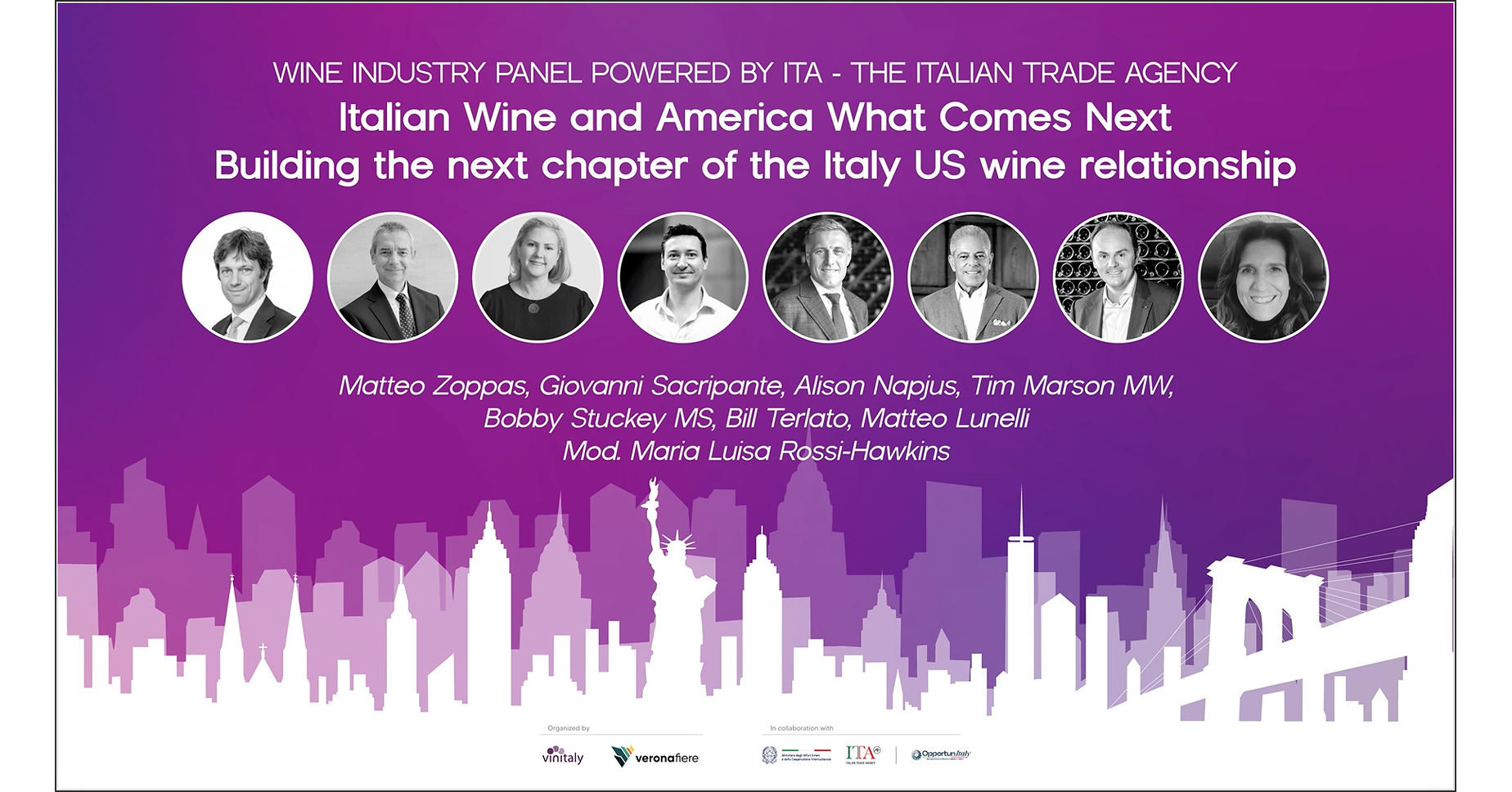
The Italian Trade Agency and Veronafiere will host the wine2wine Vinitaly Business Forum in New York on October 26–27, 2026, with three masterclasses focused on U.S. market access, buyer and sommelier priorities, and wine tourism. The event aims to connect Italian producers with North American trade professionals and discuss tariffs, trends, and commercial opportunities; the announcement provides no quantified financial impact.
Analysis
This is industry convening and promotion, not evidence of a tariff change, new distribution commitments, or incremental sell-through. The headline’s tariff emphasis should not be mistaken for policy progress: absent a concrete rate, implementation date, or negotiated outcome, there is no basis to reprice Italian wine importers or producers on this item alone.
The more useful signal is commercial: producers are focused on the conversion gap between U.S. availability and actual menu placement, by-the-glass sales, and repeat consumer demand. If the forum produces measurable importer orders or restaurant placements, smaller Italian wineries could gain shelf and list access; the trade-off is that distributor attention and menu space are finite, potentially displacing other imported wines. Wine tourism is a separate, slower pathway: bookable itineraries could diversify winery revenue, but require capacity, logistics, and travel-partner economics not established here.
Near term (days), likely immaterial for public-market earnings. Over 1–3 months, watch for specific tariff developments and disclosed commercial agreements, rather than attendance or promotional claims. Over 6–18 months, sustained placements or tourism bookings could matter to exposed producers, but the article provides no company-level exposure or financial data. Contrarian read: trade-event visibility can sound like demand creation while leaving the binding constraints—consumer willingness to pay, distributor economics, and restaurant traffic—unchanged. No trade is warranted on this announcement.
AllMind Terminal
AI-powered research, real-time alerts, and portfolio analytics for institutional investors.
Request TrialMarket Sentiment
Overall Sentiment
neutral
Sentiment Score
0.10
Key Decisions for Investors
- No event-driven position: the announcement supplies no verifiable tariff outcome, order data, or earnings guidance change.
- Set an alert for official U.S.–EU wine tariff announcements and effective dates; reassess import-sensitive wine businesses only if the policy details and company exposure are clear.
- Track follow-up evidence over the next 1–3 months: disclosed importer/distributor agreements, restaurant placements, or repeat-order data. Treat panel participation and promotional statements as non-financial indicators.
- For a longer-term watchlist, distinguish wineries with demonstrable U.S. sell-through and scalable tourism operations from producers relying primarily on market-access promotion; the article does not identify investable beneficiaries.
- Falsify any constructive demand thesis if subsequent disclosures show no sustained placements or orders, or if U.S. wine demand and restaurant traffic weaken; reconsider a tariff-risk thesis if policy is delayed, narrowed, or reversed.
More News
- US-Iran war, then and now: How the landscape has changed since February
- Looters hit 3,000 French businesses. Within hours, the haul was trending on Vinted under the riot’s date
- Energy markets are adapting to the Iran war as a ‘forever conflict’ while oil producers keep supplies flowing and avoid ‘mutually assured destruction’
- Apple’s $2,000 iPhone Duo Debuts With Limited Supply
- Are global oil reserves sufficient to withstand renewed US-Iran war?
- Boeing 777 freighter output halted for two months over supplier row
From AllMind Research
- Anthropic IPO Preview: Valuation, Timing, and What to Watch
- Shein After the IPO: Venue, Valuation, and What Must Be Proved
- What AI Research Tools Should a Small Hedge Fund Buy First?
- AI Tools for Independent Research Firms: A Publishing System
- Weekly Update: Options, Earnings Call Transcripts, AI Chat, Bookmarks & More