
Republicans Brace For Backlash as Trump Gas Prices Near Biden’s
Source: Bloomberg
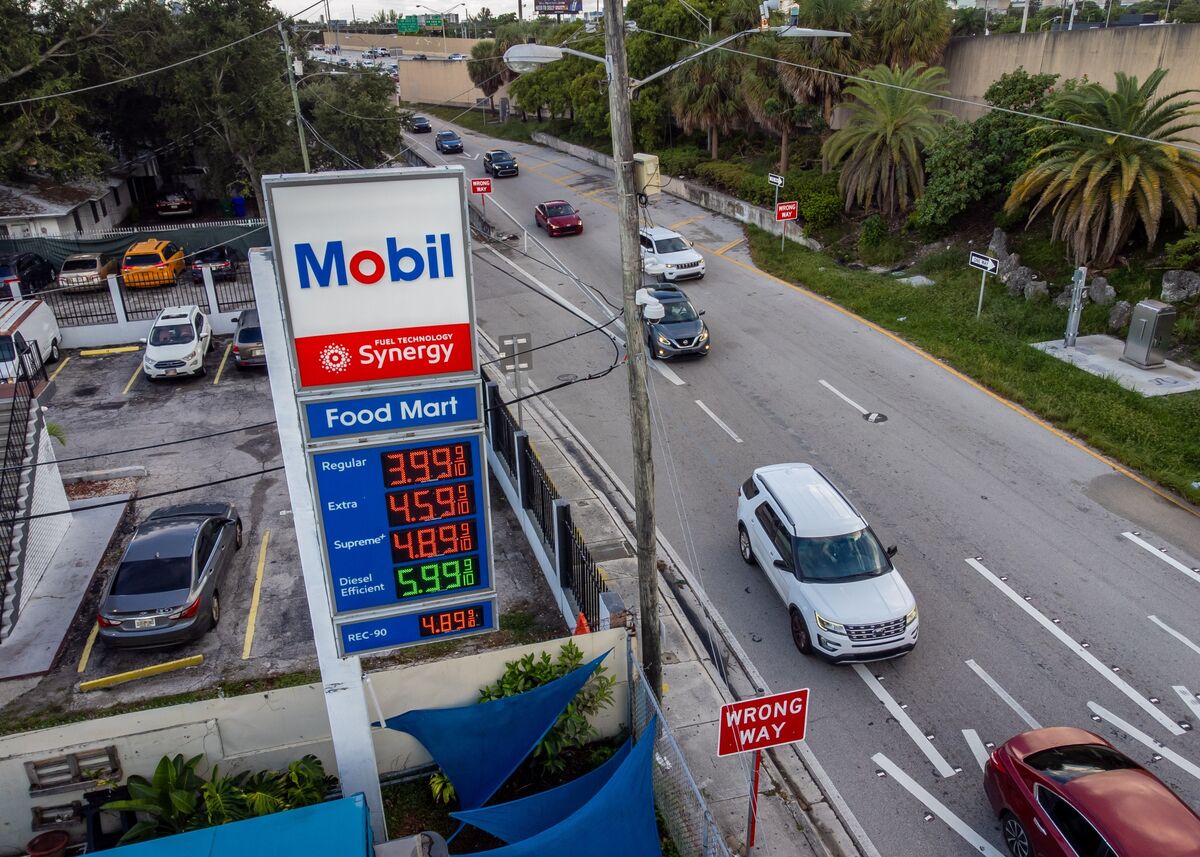
The article frames gasoline prices near the average during Joe Biden’s presidency as a potential midterm political challenge for Donald Trump. During his 2024 campaign, Trump blamed Biden’s environmental policies and vowed to bring gasoline below $2 a gallon; the excerpt provides no current price or further details.
Analysis
The political exposure is asymmetric: a visible rise in pump prices can raise pressure for near-term price relief, while the tools available to policymakers may shift costs across the energy chain rather than reduce them. Any supply, sanctions, or regulatory intervention could move crude and gasoline cracks differently; downstream refiners, upstream producers, and fuel-intensive transport therefore should not be treated as one trade. The key market mechanism is policy optionality and headline volatility—not evidence, from this excerpt, of a durable change in physical supply or company earnings.
Over days to weeks, watch crude and gasoline futures, regional retail prices, and product cracks alongside concrete policy announcements. Over 1–3 months, sustained pump-price pressure could make supply-restrictive measures politically harder, but the effect on producers depends on the policy chosen and global balances. Over 6–18 months, the structural question is whether policy changes alter investment or production; rhetoric alone does not establish that.
Contrarian point: attributing retail fuel prices to presidential policy may be electorally powerful but is a weak standalone forecasting signal. Crude benchmarks, refining capacity, seasonal blends, distribution costs, and taxes can dominate the local pump price. The excerpt supplies no current price series, policy action, or company exposure data, so there is no basis for a directional energy-equity call yet.
AllMind Terminal
AI-powered research, real-time alerts, and portfolio analytics for institutional investors.
Request TrialMarket Sentiment
Overall Sentiment
neutral
Sentiment Score
0.00
Key Decisions for Investors
- No trade on the political framing alone. Before positioning, verify the retail-price trend by region, crude benchmarks, gasoline crack spreads, and whether any policy action changes physical supply.
- Set an alert for sustained pump-price increases accompanied by adverse polling or explicit policy proposals. That combination could raise volatility in crude and refined products; confirm the proposal’s likely impact on supply before trading.
- If fuel costs rise materially, assess fuel-sensitive transport separately from producers: JETS may be exposed to higher jet-fuel costs, while XOP is more directly tied to upstream economics. Treat any pair as conditional, not a clean hedge, and size against crude/product-spread moves.
- Falsify the political-pressure thesis if retail prices ease or stabilize without intervention, or if proposed measures fail to advance. Reassess any energy-sector position if crude and gasoline cracks move in opposite directions, since that can break a simple pump-price trade.
More News
- Iran says two tankers catch fire after hitting mines in Strait of Hormuz
- ‘France, truly, is on the brink’ and just days away from a make-or-break moment in its debt crisis, analyst warns, as protests turn into riots
- US and Iran both claim control of Strait of Hormuz amid attacks on vessels
- Nasdaq Index: AI Selloff Deepens as Chips and CoreWeave Break
- U.S. debt interest payments hit $3 billion a day and jumped 8% in fiscal 2026 — faster than total federal spending, revenue and GDP growth
- Trump waives broad new Russia sanctions and tariffs under Graham Act, citing national interest