
Flysound Brings B02 Open-Fit AI Hearing Aid to the U.S.
Source: PR Newswire
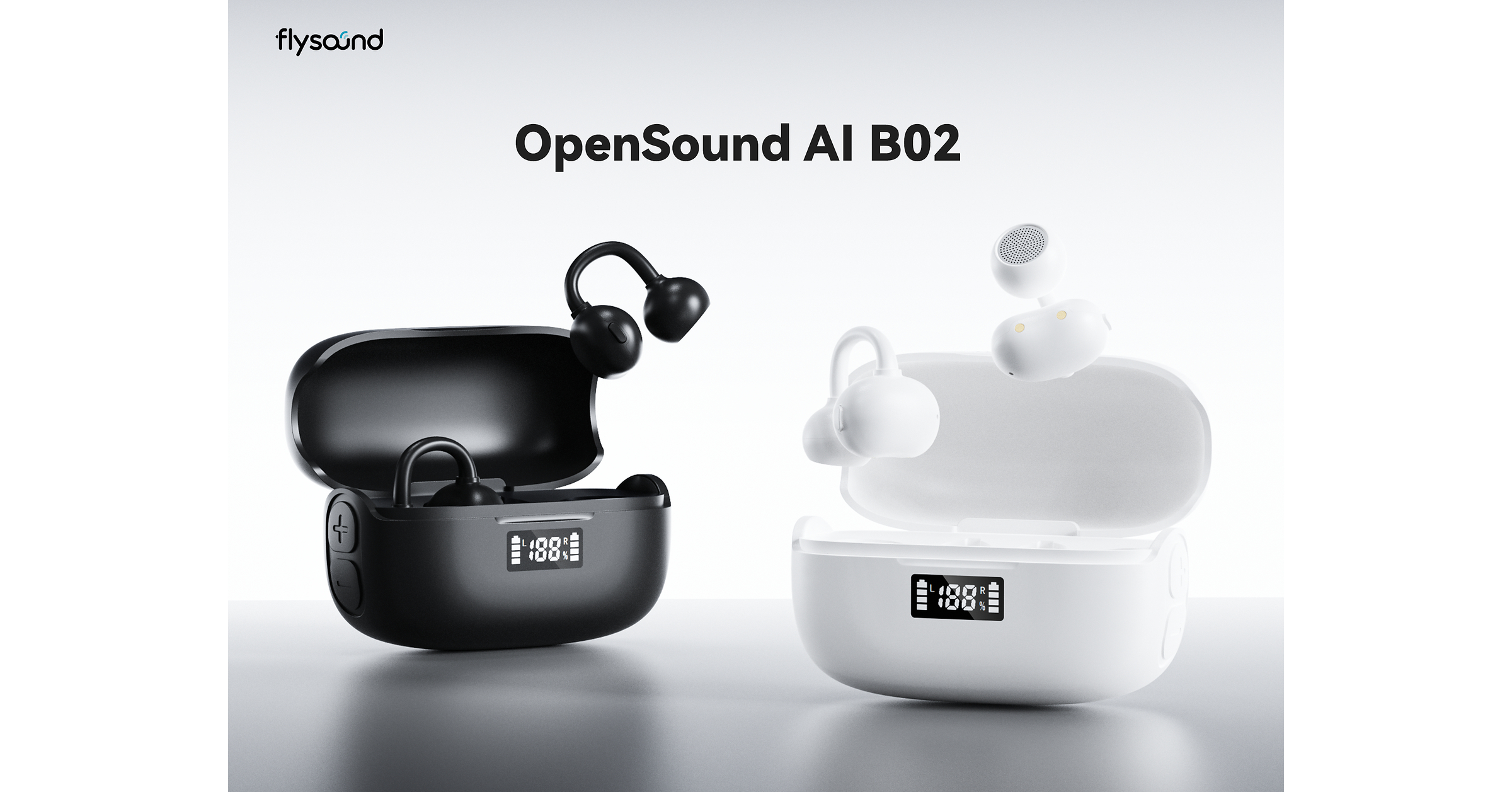
Flysound launched its B02 Open-Fit AI Hearing Aid in the U.S., targeting the estimated 15%-20% of people with hearing loss who cannot use in-ear devices. The device uses a 12nm AI chip to provide feedback suppression at up to 50 dB gain, up to 117 dB SPL output, 16 adjustable channels, and AI noise reduction below 10 dB internal noise. The company said its prior Japan crowdfunding campaign raised more than $3 million; B02 is now offered with a 50-day trial and one-year warranty.
Analysis
This is not independently investable news, but it is directionally relevant to the OTC hearing-aid category. A credible open-fit product could expand the addressable market among consumers who reject canal devices, pressuring premium-price incumbents through greater online price transparency rather than materially displacing clinically fitted devices near term. The more exposed public proxies are Sonova (SOON.SW), Demant (DEMANT.CO), GN Store Nord (GN.CO), and WS Audiology parent-level debt/credit comparables; however, a single crowdfunding-validated entrant is not sufficient to alter estimates.
The competitive variable is not the claimed AI feature set but customer-acquisition cost, return rates, and whether remote fitting can maintain satisfaction for higher-gain users. If direct-to-consumer open-fit devices prove able to reduce returns while sustaining gross margin, incumbent audiology channels face a 6-18 month risk of mix dilution in entry and mid-tier products. Conversely, feedback control and self-administered testing claims require real-world validation: poor outcomes or FDA/compliance scrutiny would reinforce the value of incumbent clinical distribution and professional fitting.
Near-term, monitor Amazon reviews, pricing, reimbursement positioning, and repeat evidence of U.S. unit traction rather than treating the launch as a category catalyst. The contrarian view is that open-ear form factors may be complementary to, not substitutes for, prescription devices: comfort-led adoption could enlarge the funnel, while severe-loss users still require specialist care and higher-powered custom solutions.
AllMind Terminal
AI-powered research, real-time alerts, and portfolio analytics for institutional investors.
Request TrialMarket Sentiment
Overall Sentiment
mildly positive
Sentiment Score
0.32
Key Decisions for Investors
- No standalone trade on the launch; set a 1-3 month diligence alert for U.S. pricing, verified review volume, return-rate disclosures, and any FDA enforcement or product-performance complaints.
- For existing hearing-aid exposure, maintain a relative preference for Sonova (SOON.SW) over GN Store Nord (GN.CO): Sonova's broader premium audiology franchise is better insulated if low-end direct-to-consumer competition intensifies, while GN has greater execution sensitivity across hearing and consumer audio.
- Watch a long SOON.SW / short DEMANT.CO or GN.CO relative-value setup only if channel data show sustained OTC/open-fit share gains and incumbents begin discounting entry-tier products; invalidate the thesis if premium ASPs and clinic-channel unit growth remain stable through the next two reporting cycles.
- Treat broader AI-device enthusiasm as noise until measurable unit economics emerge. The key falsifier for a disruption thesis is evidence that open-fit products cannot achieve low return rates and durable daily usage without clinician intervention.
More News
- Next week brings major risks for the stock market, just as the AI trade keeps faltering
- AI Doubts Spread Cracks in Equities, Credit Markets: Evening Briefing Americas
- Kinder Morgan, Energy Transfer and Williams could benefit from cheap natural gas
- CrowdStrike CEO's alarming prediction — plus, the sell-off spreads beyond tech
- Vertex reports positive IgAN trial data, FDA decision due Nov. 30
- The real test for Moderna’s cancer vaccine isn’t about beating Keytruda. It’s keeping cancer from coming back in the long term.