
Lucy Goods Partners with NBA Hall of Famer Gary Payton
Source: PR Newswire
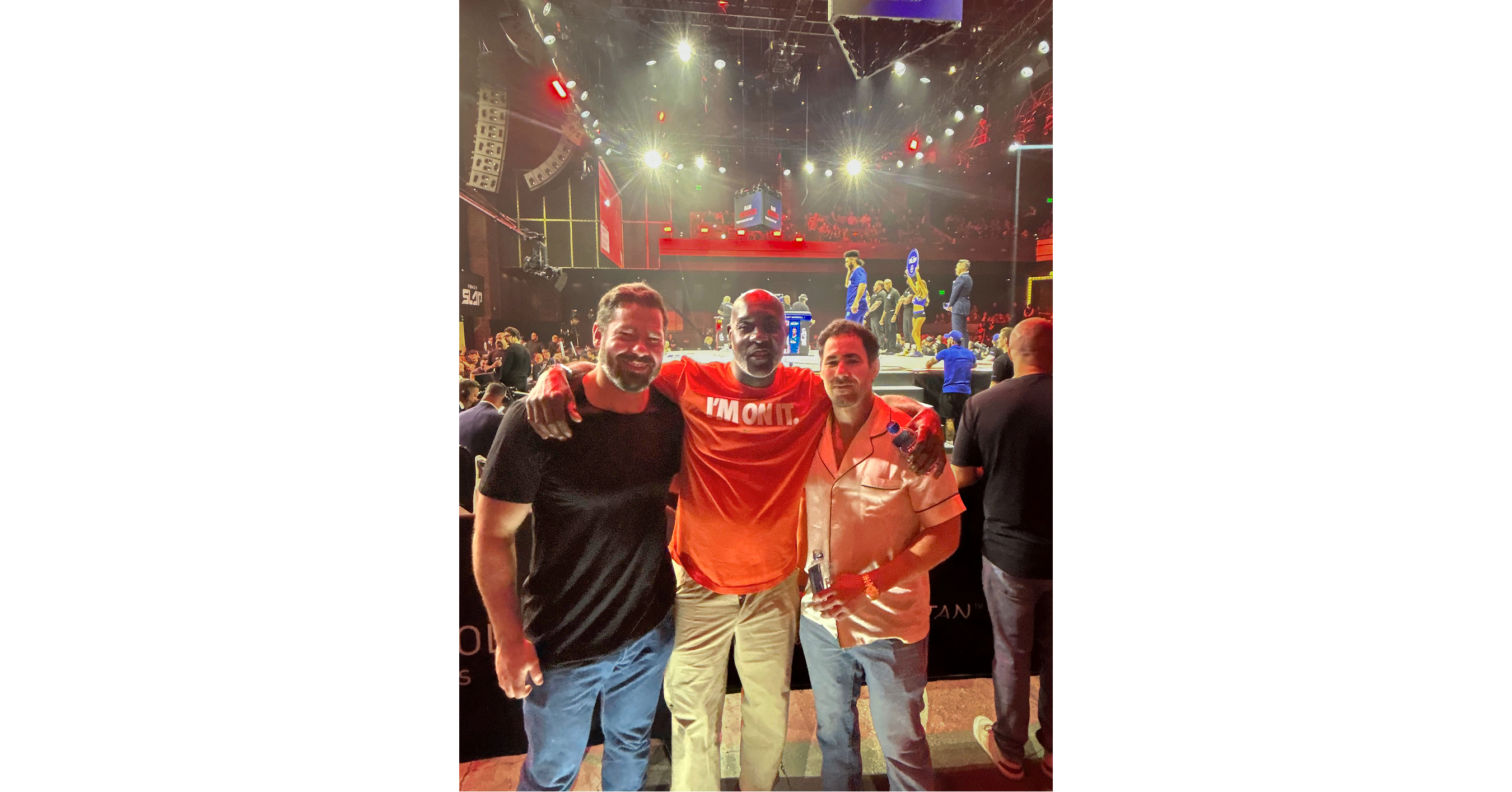
Lucy Goods partnered with NBA Hall of Famer Gary Payton for a digital, social and retail campaign intended to expand awareness of its nicotine pouches, gum and Breakers products. The company said it has secured distribution agreements with major convenience-store chains including Circle K, Wawa, Sheetz and RaceTrac and is on pace to exceed its 2026 revenue targets. Payton will make retail and promotional appearances, including at the NACS Show in Las Vegas on October 7-9.
Analysis
This is not independently actionable public-equity news: LUCY is private, and celebrity-led awareness campaigns rarely change nicotine-category share without measurable gains in convenience-store velocity, repeat purchase, and retailer shelf allocation. The relevant read-through is that an emerging modern-oral nicotine brand is spending to acquire consumers in a distribution channel where shelf space and promotional allowances are scarce; this marginally raises competitive intensity for Altria (MO), British American Tobacco (BTI) and Philip Morris International (PM), but is immaterial to their near-term earnings absent broad, verified distribution expansion.
The more relevant second-order effect is on category economics. If smaller brands gain velocities at major c-store chains, incumbents may need to defend placement through higher trade spend, which pressures U.S. oral-nicotine margins before it meaningfully impacts volumes. MO is the most exposed listed proxy because its U.S. nicotine franchise has greater direct dependence on domestic retail execution; PM's ZYN scale and international diversification make it comparatively insulated. Over 1-3 months, watch Nielsen/IRI-style retail scanner data, c-store shelf resets, and any evidence that promotional activity is lifting the modern-oral category rather than merely fragmenting it.
Contrarian view: the apparent competitive threat may be overstated. Celebrity campaigns can improve trial but are poorly suited to sustaining adult nicotine-user retention, which is driven by product format, flavor availability, price, and retailer replenishment. The structural risk runs the other direction over 6-18 months: greater category visibility could invite tighter FDA scrutiny of marketing and product authorization, disproportionately burdening smaller, less-capitalized brands while reinforcing the distribution and regulatory advantages of MO, PM and BTI.
AllMind Terminal
AI-powered research, real-time alerts, and portfolio analytics for institutional investors.
Request TrialMarket Sentiment
Overall Sentiment
mildly positive
Sentiment Score
0.32
Key Decisions for Investors
- No standalone trade on this announcement; treat it as a category-monitoring item rather than a catalyst for listed tobacco equities.
- Maintain PM over MO as a defensive relative-value preference over the next 3-6 months: PM has lower sensitivity to U.S. c-store promotional competition and more diversified nicotine growth. Reassess if U.S. oral-nicotine scanner data show sustained share losses for ZYN or a material acceleration in MO's non-combustible volumes.
- For an existing MO position, set an alert around quarterly oral-nicotine shipment trends, retail trade-spend commentary, and U.S. smoke-free-product margin guidance. A guidance cut tied to promotional intensity would validate a short-term underweight; stable margins would falsify the competitive concern.
- Monitor FDA enforcement or marketing-guidance developments over the next 6-18 months. A broad crackdown on youth-adjacent or celebrity-driven nicotine marketing would be relatively supportive for scaled, authorized-product incumbents versus private challengers, favoring PM/MO over smaller unlisted brands.
More News
- Broadcom to lend Anthropic up to $42 billion to lease its chips, filing says
- Nike Warns Sales Slump Will Worsen This Fiscal Year
- $8.2B acquisition validates AI-picked chip stock: +20% since June
- Nuveen CEO on Schroders Deal, Plans for Combined Company
- New Mexico wants Meta to pay up to $40 billion in penalties after data privacy trial
- Paramount promised 30 movies a year to win Warner Bros. Losing Miramax if it fails may not scare it