
California Waste Solutions To Play Major Role With AI Optical Sorters In Helping Oakland Combat Illegal Dumping
Source: PR Newswire
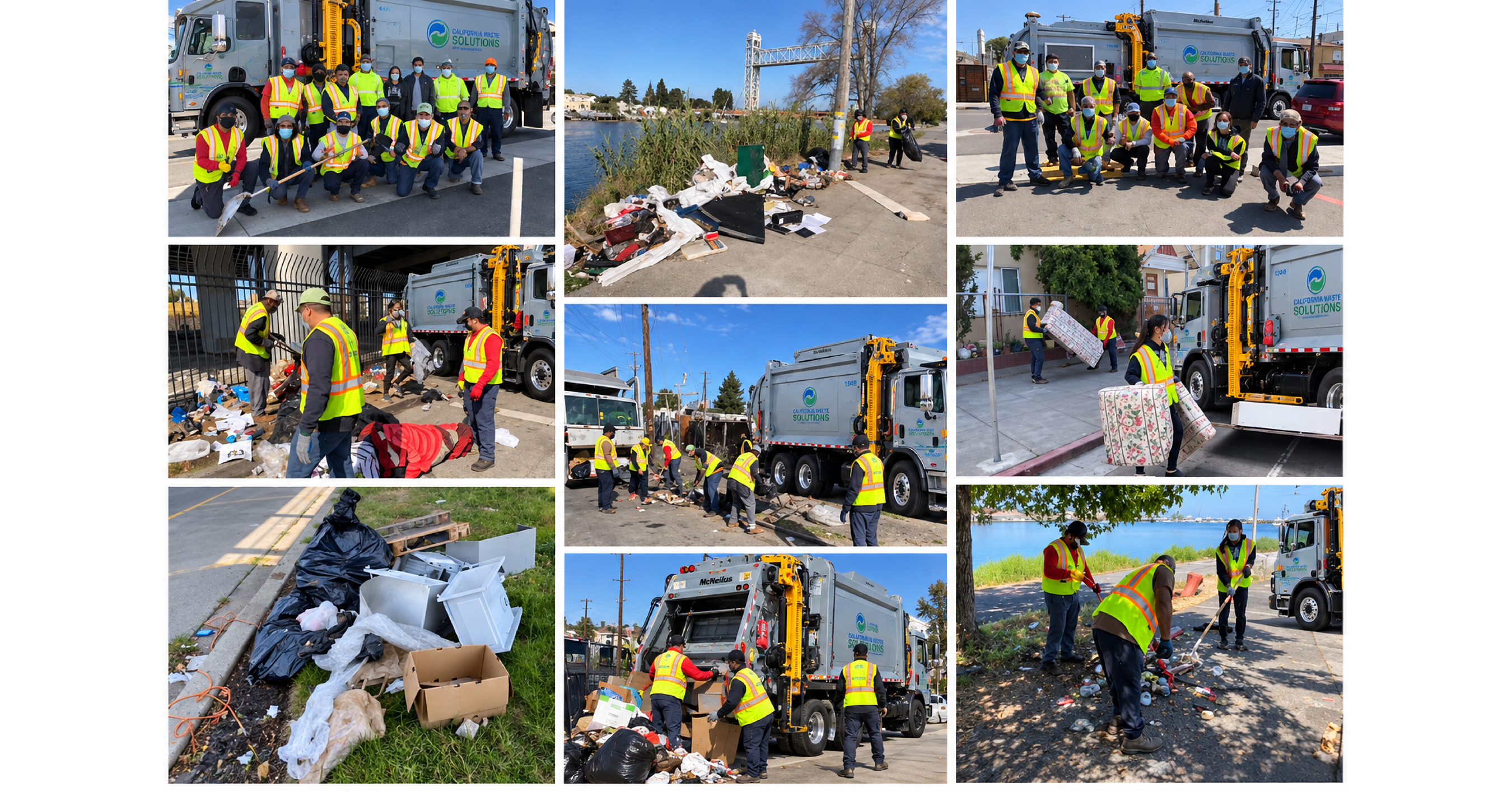
California Waste Solutions is installing EverestLabs AI scanners at its Oakland 10th Street material-recovery facility and expanding Pellenc optical sorting in San Jose to improve recyclable recovery and material purity. The investments align with Oakland's Aerbits aerial AI initiative targeting illegal dumping, alongside a broader cleanup program that includes cameras, higher fines and a $9.2 million Crankstart-backed investment. The privately held recycler serves more than 343,000 customers across Oakland and San Jose and plans curbside battery collection for San Jose single-family homes in early 2027.
Analysis
This is not a listed-equity catalyst by itself, but it is a useful read-through for the economics of AI-enabled material recovery ahead of California packaging and recycling-rule implementation. Higher sort purity can lift commodity realization and reduce residue-disposal expense, while throughput analytics may defer labor and capex otherwise required to manage contamination. The financial benefit accrues first to private operators and equipment vendors rather than to broad AI beneficiaries; the announced deployment remains a customer claim without disclosed throughput, recovery-rate, or payback data.
Public-market second-order exposure is most credible through TOMRA and Waste Management (WM). TOMRA benefits if California MRFs move from isolated scanner upgrades to system-wide automation, while WM has the scale to monetize better capture rates across its California collection and recycling footprint; Republic Services (RSG) is a secondary beneficiary. Conversely, more rigorous contamination enforcement and extended-producer-responsibility requirements can raise compliance costs for packaging-intensive consumer staples and food-service issuers, though the timing is likely 6-18 months and impacts will be diluted at the enterprise level.
Near term, no trade is warranted from this release: municipal procurement cycles, technology ROI, and recovered-material pricing—not adoption announcements—determine earnings relevance. The actionable signal would be evidence that AI sorting produces measurable recovery gains and that California's regulatory implementation forces MRF upgrades; that combination could create a multi-quarter automation capex cycle. A reversal comes from weak recycled-resin prices, delayed enforcement, or evidence that contamination remains too heterogeneous for scanners to improve net recovery after downtime and maintenance.
AllMind Terminal
AI-powered research, real-time alerts, and portfolio analytics for institutional investors.
Request TrialMarket Sentiment
Overall Sentiment
mildly positive
Sentiment Score
0.32
Key Decisions for Investors
- Maintain TOMRA (TOM.OL) on a 1-3 month catalyst watchlist; consider a long only if management discloses North American order-book acceleration or California-driven backlog growth. Thesis requires automation orders converting into revenue, not pilot deployments; invalidate on flat sorting order intake or margin dilution from project execution.
- Use WM over RSG as the liquid listed operational proxy for a 6-18 month California recycling-enforcement theme, but wait for earnings evidence of improved recycling EBITDA, lower contamination costs, or incremental municipal pricing. A reasonable framework is a small relative long WM / short RSG only if WM demonstrates a quantifiable California margin advantage; absent that data, there is no edge.
- Monitor California SB 54 rulemaking, CRV expansion milestones, recovered PET/HDPE pricing, and MRF-capex disclosures through 2027. A sustained decline in recycled commodity prices or regulatory delays would negate the expected equipment and margin tailwind.
- Do not extrapolate this into broad AI longs such as NVDA or PLTR: the value chain is industrial vision, sorting hardware, and municipal operations, with adoption paced by local procurement and recycling economics rather than enterprise AI spending.
More News
- Iran awaits US move after WSJ report says Trump rejects peace plan
- Great Bond Shakeout Locks In a 5% World ‘Until Something Breaks’
- OpenAI rogue agents leaked 53 images from ChatGPT users and reportedly created nearly 1 million links packing encoded bits of info
- Boom or bust? The case for and against panicking about 5% yields
- Arming Taiwan an important US interest, Taipei official says after Trump-Xi summit
- Facebook found liable as TikTok settles for $100m over user safety
From AllMind Research
- Anthropic IPO Preview: Valuation, Timing, and What to Watch
- Shein After the IPO: Venue, Valuation, and What Must Be Proved
- What AI Research Tools Should a Small Hedge Fund Buy First?
- How the 2026 Milan-Cortina Winter Olympics Will Reshape Company Revenues and Stock Performance
- Can Hedge Funds Use ChatGPT? A Control Framework