
La directive européenne de 2028 sur les emballages réutilisables engendre une nouvelle crise : Qui lave les tasses ?
Source: PR Newswire
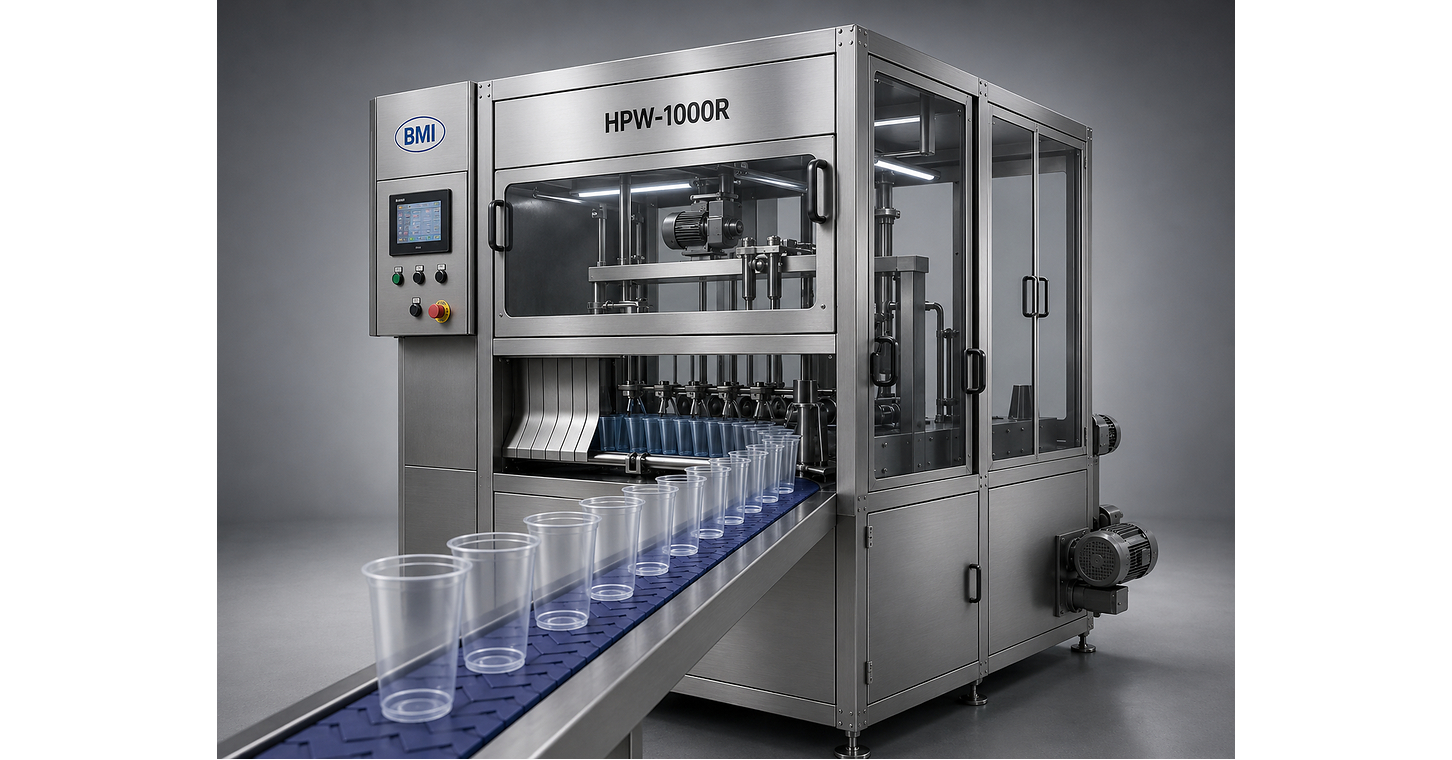
EU reusable-packaging requirements beginning in 2028 create a potential washing-capacity bottleneck for foodservice operators, with non-compliance risking fines and market-access restrictions. BMI Korea markets its HPW-5000 system as a solution, capable of washing 5,000 reusable cups per hour at 50 bar—five times manual speed—and replacing 4-5 workers per line. The company cites reusable cups as reducing emissions by up to 69% and says it has 89 installations in 28 countries, though the release does not disclose revenue, order value, or European contracts.
Analysis
The investable implication is not the announced equipment itself—BMI Korea appears private and its throughput/labor claims are promotional rather than independently audited—but the likely shift in value from disposable foodservice packaging toward centralized wash-and-logistics networks. The binding constraint is utilization: washing assets only earn attractive returns when collection density, standardized cup formats, and return rates are high enough to keep lines full. This favors operators with installed foodservice service networks and detergent/chemical attach rates, notably Ecolab (ECL), over standalone equipment vendors whose sales will be lumpy and tender-driven.
Over the next 1-3 months, there is no clear earnings catalyst for listed names because national implementation rules, exemptions for SMEs, and enforcement mechanics remain unresolved. The more material 6-18 month effect would be margin pressure on disposable foodservice-packaging producers such as Huhtamaki (HUKI.HE), but only if reuse requirements translate into actual volume substitution rather than an incremental packaging format. Reusable systems can also raise restaurants' working-capital needs through cup inventory, deposits, breakage, and reverse-logistics fees—creating resistance that could delay adoption or favor franchisors with scale.
Consensus may overestimate the direct benefit to washing-equipment suppliers: pre-wash automation is only one component, while sorting, sanitation validation, transport, and custody tracking determine total system economics. A fragmented European rollout could produce many low-utilization local facilities rather than a rapid capex cycle. The thesis is falsified if finalized implementation guidance permits broad single-use exemptions, delays penalties, or if pilot operators cannot demonstrate lower total cost per turn versus disposable cups after logistics and labor.
AllMind Terminal
AI-powered research, real-time alerts, and portfolio analytics for institutional investors.
Request TrialMarket Sentiment
Overall Sentiment
mildly positive
Sentiment Score
0.30
Key Decisions for Investors
- No immediate directional trade: treat the release as a private-company marketing signal, not evidence of a near-term listed-equity revenue inflection. Reassess after country-level implementing rules and first contracted centralized-washing capacity are disclosed.
- Place ECL on a 6-18 month watchlist for foodservice hygiene/warewashing contract wins; initiate only if management identifies reusable-container servicing as a measurable growth vertical or raises Institutional segment outlook. Risk/reward is unattractive without disclosed revenue exposure.
- Monitor HUKI.HE for a conditional relative-value trade: long ECL / short HUKI.HE only after evidence that reusable systems are displacing, rather than supplementing, away-from-home disposable packaging volumes. Use a 10-15% adverse spread stop, as exemptions and packaging redesign can preserve Huhtamaki demand.
- Track Electrolux Professional (ELUX-B.ST) for commercial dishwashing order commentary over the next 2-4 quarters. A sustained acceleration in European foodservice equipment orders would be a cleaner public-market confirmation of capex demand than vendor installation claims.
More News
- Here’s the ‘core economic flaw’ in the AI bull case as stock and bond trades unravel, according to a top economist
- Biotech stocks are surging. How investors can play the new drug innovation boom
- Instacart reportedly discussed selling itself with DoorDash and Uber
- Sudan’s soaring fuel prices make getting by harder for workers
- Ukraine says Starlink and Starshield high speed restrictions have been lifted
- French police use tear gas and water cannons after some protests turn violent as shopkeepers board up storefronts across Paris