
Fed chair addresses inflation and says central bank's job is ‘to deliver stable prices'
Source: theguardian.com
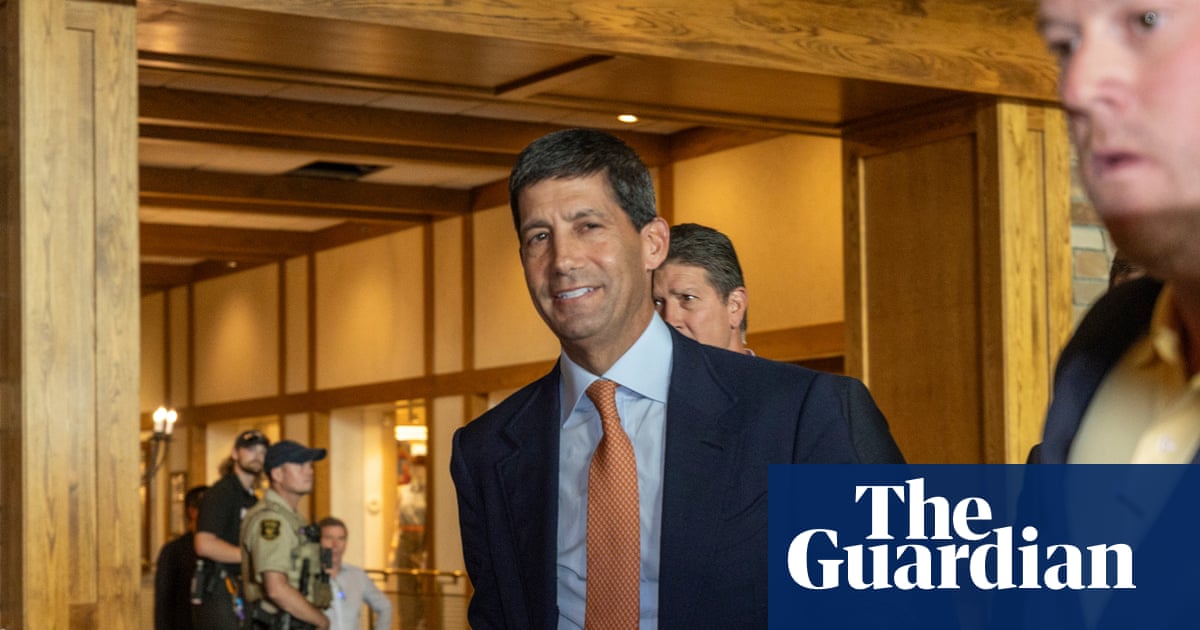
Fed chair Kevin Warsh said the US is “not done” with high inflation and that the Fed may still need to fight it, implying rates could rise from the current 3.5%–3.75% range. He downplayed any improvement in underlying inflation trends as July inflation cooled to 3.4% (still above the 2% target), while markets interpreted the speech as a hawkish signal; the 2-year and 10-year US Treasury yields ticked up and the 10-year yield has been near its highest level since 2007. In a politically sensitive moment—Trump has pushed for rate cuts—Warsh also rejected renewed “forward guidance,” potentially keeping rate expectations volatile amid Iran-war-related oil-price shocks.
Analysis
This is less a broad equity shock than a repricing of the front end of the curve. If the market believes the Fed is willing to tighten into still-sticky inflation, the first-order winners are balance sheets that reprice assets faster than liabilities; the first-order losers are rate-sensitive consumer names and any levered borrower facing 2026 refinancing. The more interesting second-order effect is that a hawkish Fed can actually become bearish for banks later if deposit betas jump faster than loan yields and credit spreads widen.
For OZK and similar regionals, the next 1-3 months are a NIM story, but not a clean one. Asset sensitivity helps only if loan growth holds and CRE stress does not intensify; a higher-for-longer path raises the probability that refinance math breaks on lower-quality commercial books, which is a bigger risk than headline rate moves. CBSU is likely a lower-beta version of the same trade: less upside to NII, less downside if credit deteriorates.
TGT is the cleaner loser over 1-6 months because tighter financial conditions hit ticket sizes, mix, and promotional intensity before they show up in reported comps. The contrarian point is that this may be more rhetoric than policy: if Warsh is trying to re-anchor inflation expectations, the market could be over-discounting actual hikes, especially with long-end yields already elevated. What would falsify the hawkish setup is a sharp deceleration in core inflation or a dovish follow-through from the next FOMC speaker set, which would quickly unwind the front-end move and revive duration-sensitive equities.
AllMind Terminal
AI-powered research, real-time alerts, and portfolio analytics for institutional investors.
Request TrialMarket Sentiment
Overall Sentiment
mildly negative
Sentiment Score
-0.25
Key Decisions for Investors
- Buy OZK on any intraday pullback, hold 1-3 months: cleaner asset-sensitive regional bank exposure, but cap sizing because CRE and deposit-cost risk can erase NII gains if the curve flattens further.
- Relative-value: long OZK / short TGT for 1-3 months; thesis is that higher rates support bank spreads faster than they impair a retailer's traffic and margin, with better risk/reward than a naked short on either leg.
- If you want lower beta, prefer CBSU over TGT for a market-neutral hedge, but treat it as a watch item rather than a high-conviction long until loan growth and credit metrics confirm the benefit from higher rates.
- Short TGT via equity or put spread into any relief rally over the next 2-6 weeks; invalidation is a sudden drop in yields or a dovish Fed follow-up that improves consumer spending expectations.
- Set an alert on the 2-year Treasury yield and regional-bank credit spreads: if 2Y keeps rising without a matching steepening, reduce OZK exposure because deposit costs will likely outrun NII upside.
More News
- Symbotic Has a $22.5 Billion Backlog. Here's Why It Could Be the Best Robotics Stock Nobody Talks About.
- 5 Decades of Data Confirm Long-Term Dividend Investing Delivers Real Returns
- Take Five: Bangkok blues
- ‘If nothing is done, it’s almost inevitable’: Ukraine’s Yuriy Ryzhenkov on why steelmaking is on the brink of collapse as Russian bombing intensifies
- Saudi Arabia says 1 dead, 11 injured in latest attack on Riyadh airport
- Countries warn against travel to Saudi Arabia following Houthi attacks
From AllMind Research
- Anthropic IPO Preview: Valuation, Timing, and What to Watch
- Shein After the IPO: Venue, Valuation, and What Must Be Proved
- What AI Research Tools Should a Small Hedge Fund Buy First?
- Weekly Update: New Reporting Features and More Sources for Document Search
- How to Evaluate AI Report Writers for Financial Analysis