
AltaPointe Health Celebrates $15 Million BayPointe Hospital Expansion
Source: PR Newswire
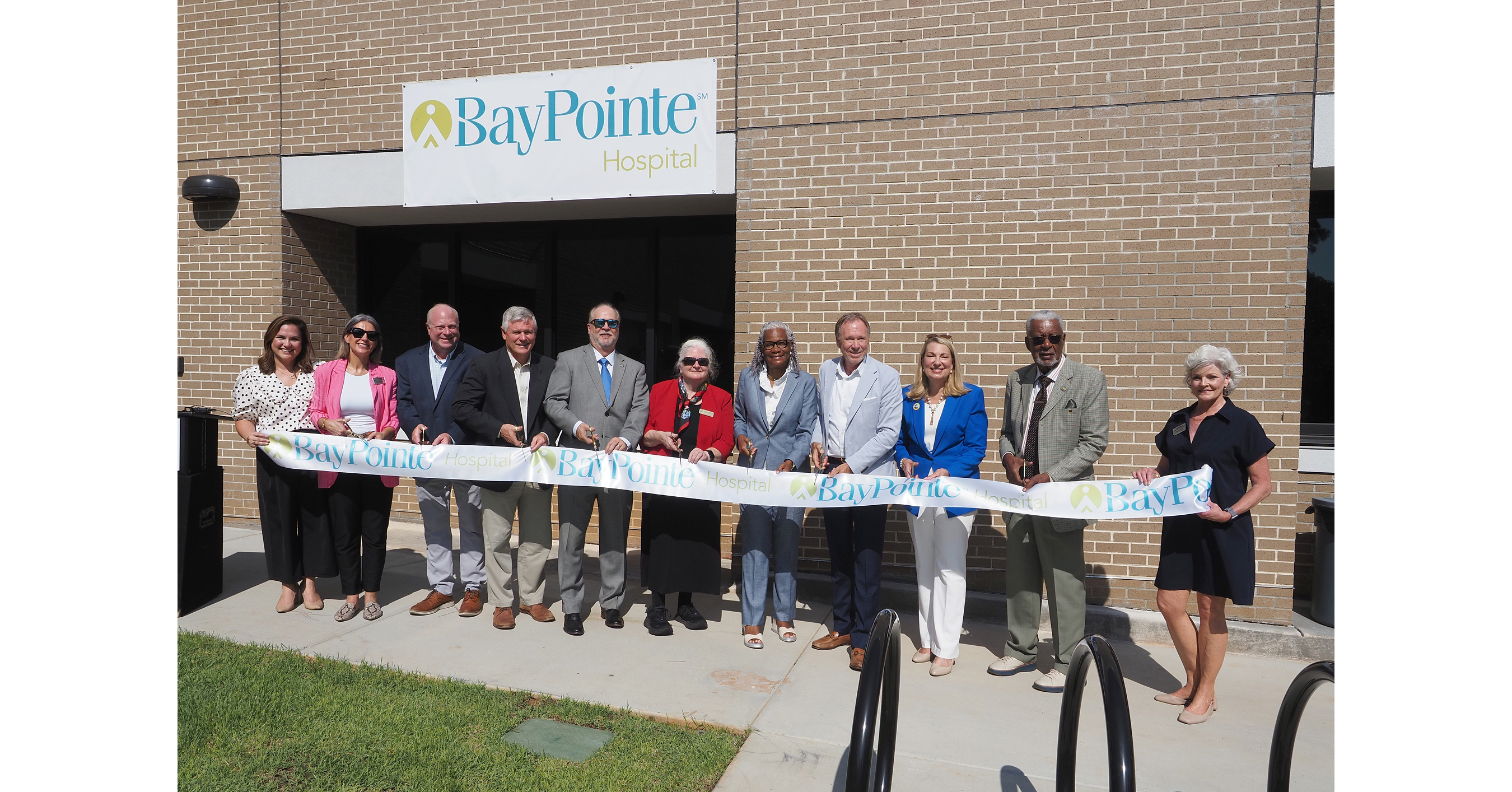
AltaPointe Health completed a $15 million expansion of BayPointe Hospital in Mobile, Alabama, adding 34 adult psychiatric beds and lifting total capacity to 138 beds from 104. The Mobile County Commission contributed $6 million in American Rescue Plan Act funding, supporting expanded inpatient access for adults while preserving capacity for children and adolescents. The project addresses a local shortage of adult psychiatric services but is unlikely to have material public-market implications.
Analysis
This is not investable as a standalone public-markets catalyst: the operator is private/non-traded, the capital commitment is immaterial to listed hospital earnings, and grant-supported construction says little about repeatable reimbursement economics. The more relevant signal is that county funding is being used to close an acute psychiatric-capacity deficit, which can reduce emergency-department boarding and uncompensated behavioral-health burden for regional acute-care systems over the next 12-24 months.
The second-order read-through is modestly favorable for hospital operators with meaningful Alabama exposure, particularly HCA Healthcare (HCA) through its state footprint, because diverted psychiatric admissions can improve ED throughput and free higher-acuity medical capacity. Conversely, incremental dedicated beds could pressure pricing and referral volumes for any nearby private behavioral-health provider, but the small absolute bed count and public-service orientation make this unlikely to move sector estimates. For Universal Health Services (UHS), the listed behavioral-health pure play, this is best viewed as evidence of persistent local supply scarcity rather than a material competitive event.
The structural catalyst is policy rather than this facility: additional state/county ARPA-style funding, Medicaid behavioral-health reimbursement changes, or enforcement around ED boarding could support broader demand for psychiatric capacity. The thesis is falsified if occupancy at new capacity is weak, state reimbursement fails to cover labor inflation, or public funding shifts from inpatient beds toward community/crisis alternatives; those variables matter far more than ribbon-cutting announcements.
AllMind Terminal
AI-powered research, real-time alerts, and portfolio analytics for institutional investors.
Request TrialMarket Sentiment
Overall Sentiment
moderately positive
Sentiment Score
0.45
Key Decisions for Investors
- No immediate trade: do not extrapolate a 34-bed local expansion into a revenue catalyst for HCA or UHS; the disclosed project size is below a materiality threshold for either issuer.
- Add UHS to a 6-12 month policy watchlist rather than initiate on this news. A trade becomes actionable only if multiple states announce funded behavioral-health capacity programs or UHS reports sustained behavioral occupancy/pricing acceleration; confirm through segment revenue, adjusted EBITDA margin, and bed additions at earnings.
- For existing HCA exposure, monitor Alabama and broader Southeast ED boarding metrics and behavioral-health labor costs over the next 1-3 quarters. Improved throughput without incremental wage pressure would be a small positive to hospital-margin expectations; deterioration in payer rates would negate it.
- Watch Medicaid and county-budget releases for a shift toward crisis/outpatient care. Such a shift would favor community behavioral-health vendors and reduce the long-duration case for inpatient-focused UHS capacity expansion.
More News
- South Korean solar stocks jump as curbs on Chinese sector expected to remain in place
- ‘I have a big decision to make’: Trump had a ‘good meeting’ with Iranian officials warning he may ‘annihilate the Islamic Republic’
- Zelenskyy says Ukraine ready for energy truce with Russia after Trump talks
- Morgan Stanley thinks investors should diversify into these markets
- South Korea’s Lee, Trump welcome progress in US strategic investment projects
- How Kevin Warsh’s rate hike exposed a 2-speed U.S. economy, with AI and housing at the poles