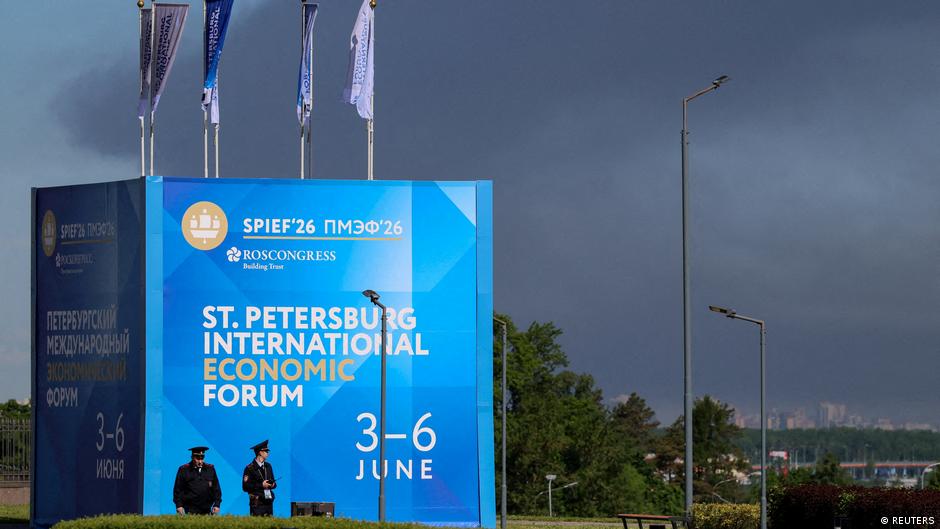
Ukraine launched a major drone attack on St. Petersburg and surrounding Russian regions, with Russian officials claiming 141 drones were shot down in the Leningrad area and 376 intercepted nationwide. The strikes disrupted Pulkovo Airport, caused a fire near Kronstadt, and forced evacuations in Bolshaya Ishora, underscoring escalating cross-border risk after Putin rejected direct talks. NATO is also boosting defenses in Sweden and Finland, adding to the broader regional security escalation.
This is a signal that the war is no longer a front-line attrition story but a system-wide infrastructure suppression campaign. The market should treat the escalation around St. Petersburg and the Baltic corridor as a higher-probability path to persistent transport friction, localized airspace disruption, and elevated military spending across NATO’s northeastern flank, with spillover into ports, rail, aviation, and telecom resilience budgets.
Second-order beneficiaries are not just traditional defense primes; the more asymmetric winners are firms tied to counter-UAS, perimeter sensing, hardened communications, airfield security, and maritime surveillance. The attack pattern also raises the option value of Baltic supply-chain rerouting through Scandinavian and North Sea infrastructure, which should modestly support alternative logistics nodes while pressuring Baltic and Russian-facing throughput, insurance, and aviation utilization over the next 1-3 months.
The bigger contrarian point is that markets often underprice the fiscal durability of this kind of escalation. Russia can absorb intermittent shocks, but repeated strikes on symbolic and logistical hubs force higher dispersion in domestic shipping, local shutdowns, and capex leakage into air defense and repair rather than growth, which is bearish for medium-term transport efficiency and any Russia-exposed asset class. The immediate catalyst risk is retaliatory escalation against energy and logistics infrastructure in Ukraine or the Black Sea, which could widen commodity volatility within days even if headline peace prospects fade over weeks.
Consensus may be overfocusing on negotiation optics and underestimating that long-range strike capacity is becoming a structural bargaining instrument. If Ukraine can sustain this tempo, the marginal pressure point shifts from battlefield territory to economic exhaustion and air-defense saturation, making the risk premium on European defense and security supply chains stickier than headline ceasefire probability would imply.
AI-powered research, real-time alerts, and portfolio analytics for institutional investors.
Request TrialOverall Sentiment
strongly negative
Sentiment Score
-0.72
