
In HelloNation, Automotive Expert John Pomponio Breaks Down Certified Pre-Owned Vehicle Options
Source: PR Newswire
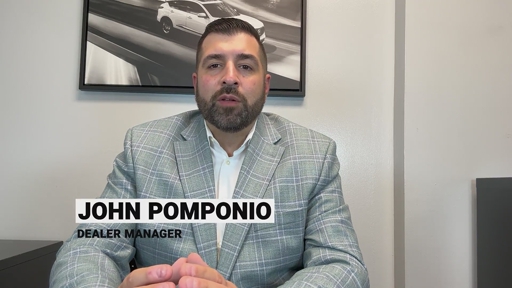
HelloNation outlined the trade-offs between certified pre-owned and standard used vehicles, emphasizing that CPO models generally command higher prices in exchange for multi-point inspections, extended warranty coverage, and potentially stronger resale value. The article notes that certification can also support more favorable financing terms, while standard used vehicles may suit experienced buyers willing to accept greater repair and vehicle-history risk. The content is consumer guidance and contains no material company, industry, or market-moving development.
Analysis
No trade is warranted from this item: it is dealer-adjacent educational content, not evidence of a change in used-vehicle demand, credit availability, inventory, pricing, or OEM residual values. The useful implication is only a watchpoint: a sustained shift toward certified pre-owned (CPO) mix would favor franchised dealer groups with captive-finance access and OEM-backed warranty programs, while independent used-car retailers would face greater pressure to compete on price and reconditioning quality.
For AN, LAD, PAG, and ABG, higher CPO penetration can improve gross profit per unit through financing, service-contract, and parts attachment rather than vehicle margin alone. The offset is that CPO supply is constrained by late-model off-lease volumes and OEM eligibility rules; if auction values rise faster than retail pricing, the apparent mix benefit can be absorbed by higher acquisition costs. CVNA and KMX are comparatively exposed if consumers prioritize OEM certification and subsidized captive APRs over broad used-vehicle selection, but this requires confirmation in transaction and credit data.
Over the next 1-3 months, monitor Manheim used-vehicle values, Cox/Experian used-auto APRs, off-lease supply, and dealer-reported CPO unit mix. A declining rate environment would likely matter more than certification preferences: lower monthly payments can reopen demand for late-model used vehicles, lift dealer turnover, and reduce floorplan stress. The 6-18 month structural risk is residual-value normalization after pandemic-era distortions; weaker residuals would pressure dealer inventory marks but improve affordability and lease-return supply.
Contrarian view: the market may over-credit CPO for resale protection. Once the manufacturer warranty expires, the incremental resale premium can fade sharply, especially in EVs where battery-health uncertainty and rapid model-year price cuts dominate certification value. Any CPO-led thesis should therefore exclude or hedge high-depreciation EV exposure unless battery warranty transferability and wholesale residual trends demonstrably stabilize.
AllMind Terminal
AI-powered research, real-time alerts, and portfolio analytics for institutional investors.
Request TrialMarket Sentiment
Overall Sentiment
neutral
Sentiment Score
0.05
Key Decisions for Investors
- No immediate position based on this release; treat it as non-actionable marketing content rather than a demand signal.
- Create a 1-3 month watch basket: long LAD or AN versus short KMX only if quarterly disclosures show CPO unit growth outpacing total used units and used gross profit per unit remains stable despite auction-cost inflation. Target 10-15% relative return; exit if wholesale used values rise for two consecutive months without matching retail-price increases.
- Monitor CVNA relative to franchised dealers around its next earnings release. A short CVNA / long PAG hedge becomes attractive only if management cites financing or sourcing pressure while OEM dealers report improving CPO attachment; invalidate if CVNA sustains unit growth and GPU expansion simultaneously.
- For EV-related auto exposure, avoid assuming CPO certification protects residual values. Require evidence of stabilizing wholesale EV pricing and battery-warranty economics before adding long exposure to EV-heavy used inventory channels.
More News
- How Pepsi fell behind in the cola wars—and then lost KFC
- The experience economy keeps defying expectations. Maybe we’ve been looking at it all wrong
- Trump set to announce plan by Audi to build a U.S. factory in Georgia, source says
- ‘We like to be first to be second’: How True Religion’s CEO is rebuilding the denim brand for Gen Z and millennials
- Instacart reportedly discussed selling itself with DoorDash and Uber
- France Faces New Protests After Week of Violence