
Malaysian Palm Oil Exports Fell in August on Weak Indian Demand
Source: Bloomberg
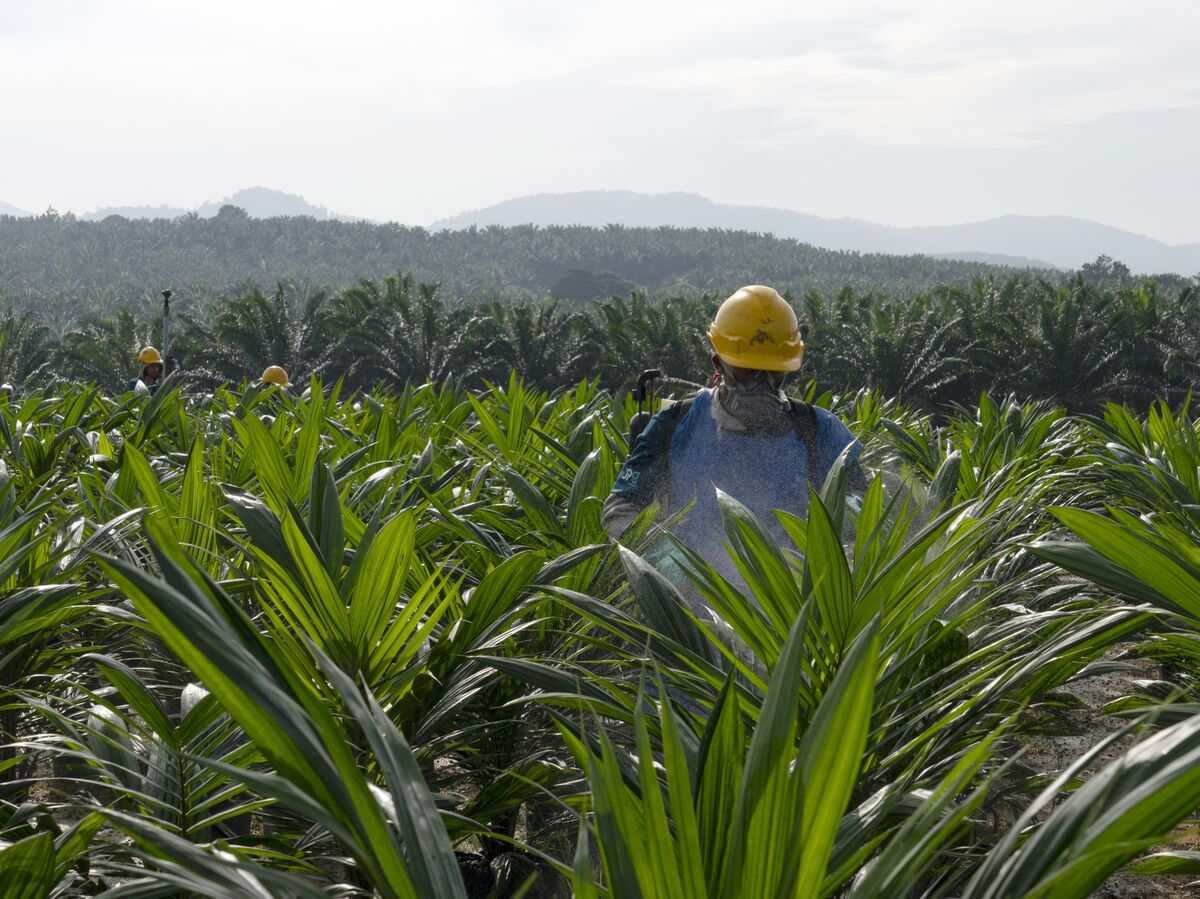
Malaysia’s palm oil exports fell in August: shipments were 1.3M tons, down 8% from July, as weaker-than-usual festival demand hit India. Stockpiles rose about 6% to the highest level since January. The combination of lower exports and higher inventories suggests near-term supply tightness may ease, a mildly negative setup for prices.
Analysis
This reads as a near-term inventory overhang rather than a structural demand break. When export flows slow while stockpiles are already building, the first-order market response is usually a discounting of nearby palm oil prices and weaker realizations for plantation names; the second-order effect is margin compression for high-cost crushers/refiners that cannot pass through inventory write-downs quickly. The most exposed equities are the upstream Malaysia/Indonesia producers, while downstream packaged-food and oleochemical users should see a modest input-cost tailwind over the next 1-3 months.
The key transmission channel is the India arb: if festival demand is merely delayed, the current weakness should reverse quickly once the importers restock, but if substitution is happening toward competing vegetable oils, then palm oil’s share can stay pressured for a full quarter. That would keep the forward curve soft and encourage further destocking, which is more damaging than the current shipment print because it forces producers to chase volume at lower prices. Watch whether soybean oil and palm oil spreads compress; that would signal substitution rather than timing.
Contrarian take: the move may be modestly overdone if traders are extrapolating one soft month into a trend. Palm oil is a low-cost feedstock, so price-sensitive buyers often return aggressively after a drawdown, and any policy-driven biodiesel blending or inventory restocking can absorb surplus faster than consensus expects. The main falsifier is a sustained 4-6 week run of weak export inspections plus continued stockpile builds; if that shows up, the downgrade cycle for plantation earnings likely extends into the next quarter.
AllMind Terminal
AI-powered research, real-time alerts, and portfolio analytics for institutional investors.
Request TrialMarket Sentiment
Overall Sentiment
mildly negative
Sentiment Score
-0.25
Key Decisions for Investors
- Short/underweight plantation proxies such as TSTS and WWRL on rallies over the next 1-3 weeks; the setup is best if nearby palm oil prices fail to reclaim recent highs and export data remain soft.
- Prefer a relative-value long in downstream edible-oil or packaged-food beneficiaries versus palm upstream exposure for a 1-3 month horizon; the trade works if input-cost relief shows up before producers fully reprice inventories.
- If liquid palm oil futures or an ETF proxy are available, use a tactical short only on confirmation of a second weak export print; risk/reward improves materially if stockpiles keep rising into the next monthly data release.
- Set a watch item, not a trade, for soybean oil/palm oil spread compression: if the spread narrows materially, it suggests substitution pressure and would validate a longer 6-18 month underweight to upstream palm names.
- Falsifier: any sharp rebound in India buying tied to festival restocking or policy support; if exports recover within the next report and inventories flatten, cover shorts quickly because the market will likely re-rate the move as timing-related rather than demand destruction.
More News
- Indonesian stocks plunge to six-year low as MSCI downgrade fears mount
- Indonesia Said to Meet Monday With MSCI Over Shock Index Threat
- Putin reportedly suggests summit with Trump and Xi to decide fate of Ukraine
- Ukraine launches over 1,000 drones at Russia, setting oil facilities ablaze
- Trump defends Russian sanctions relief, lashes out at Zelenskyy
- China's economic growth quickens to 4.6% as exports surge, stimulus rolls out