
Colleges raced to build massive computer-science departments. Now the boom is turning to bust.
Source: MarketWatch
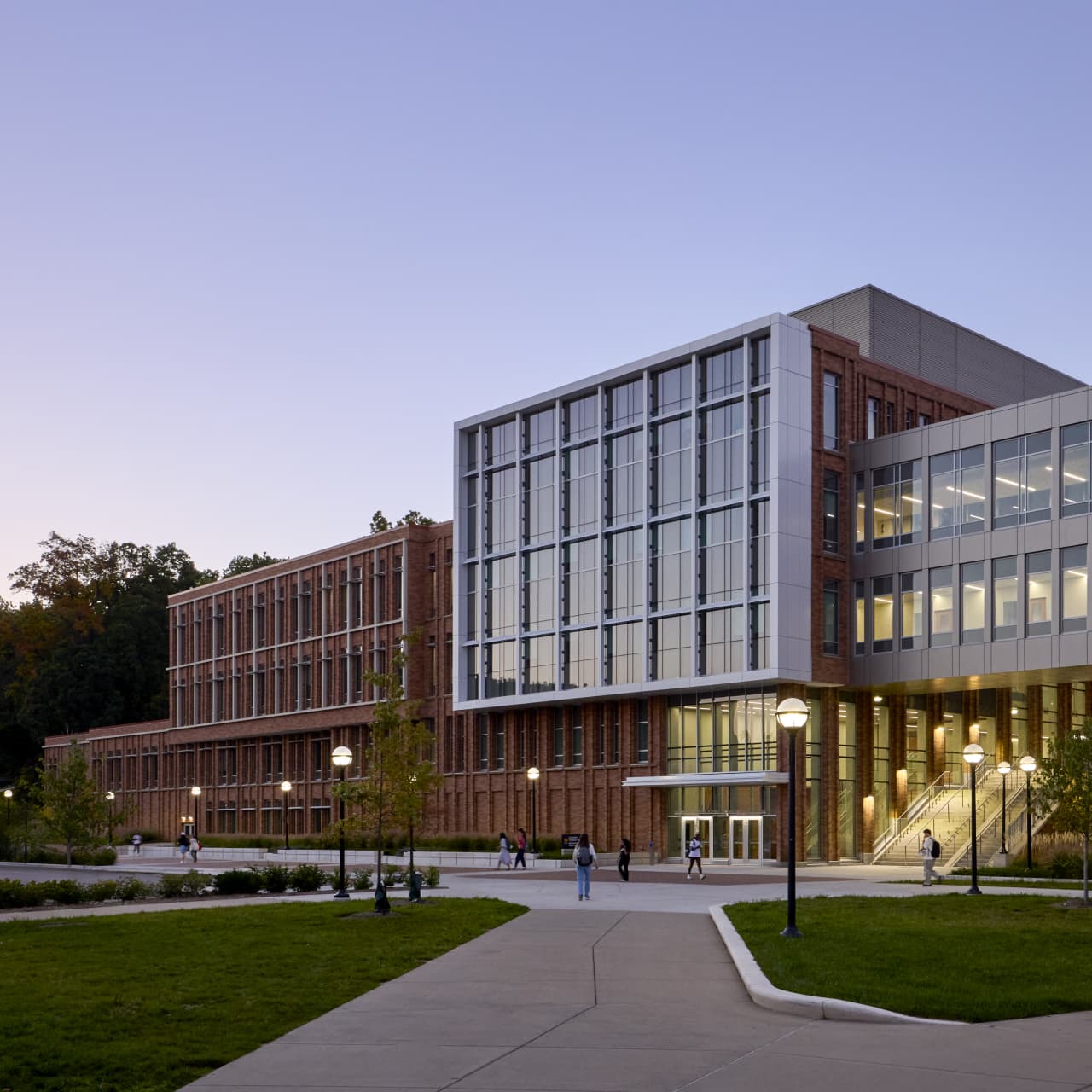
Damia Sargent enrolled at Neumont College of Computer Science in 2023 after receiving a promotional brochure in 2022. The roughly 500-student Salt Lake City school had rebranded in 2017 amid rising interest in computer science, but Sargent noticed classmates beginning to sour on the field; the article excerpt provides no enrollment or financial figures.
Analysis
The investment signal is weak: one student’s observation at a small, specialized college does not establish a national reversal in computer-science enrollment. If the shift is broad and persistent, the first-order exposure is tuition-dependent colleges and coding programs, where lower CS enrollment could pressure recruitment and retention before it affects reported results. The longer-horizon countereffect is tighter supply of junior software talent, potentially supporting entry-level compensation if employer demand holds up; that outcome is conditional, not implied by this anecdote. AI coding tools could reinforce student concerns about career prospects, but they could also expand software demand and raise the value of technical skills. The key confirmation is independently reported enrollment, persistence, and degree-completion data across institutions—not anecdotal sentiment. No public-company exposure or identifiable catalyst is established here. Treat this as a watch item, not a sector signal.
AllMind Terminal
AI-powered research, real-time alerts, and portfolio analytics for institutional investors.
Request TrialMarket Sentiment
Overall Sentiment
neutral
Sentiment Score
-0.10
Key Decisions for Investors
- No trade on this report alone; the article provides no evidence of a measurable enrollment change or identifiable listed-company earnings exposure.
- Over the next 1–3 months, monitor fall enrollment and retention disclosures from tuition-dependent colleges and broader education-sector data for a sustained decline in CS majors.
- If enrollment weakness is confirmed across multiple institutions, reassess colleges and coding-program operators for recruitment-cost pressure and weaker tuition growth; verify each operator’s program mix and enrollment sensitivity before positioning.
- Falsify the bearish education implication if subsequent enrollment and retention data remain stable. A longer-term software-labor thesis also requires evidence that junior hiring demand holds up while the graduate pipeline contracts.
More News
- BlackRock, GIC among investors chasing Indian telecom major Jio's IPO as anchor bids top $26 billion
- Nscale, Anthropic Eye $45 Billion Cloud Deal as AI Trade Rebounds
- Gartner analyst behind tech rout: AI returns are not yet large enough to justify neocloud build-out
- Alibaba Backs Chinese Robovan Maker in $400 Million Fundraising
- X-Energy CEO on Amazon, AEP Nuclear Data Center Deal
- Ukraine’s drones lose their Starlink link above 100 mph. Musk, Rubio and Trump all say it wasn’t them
From AllMind Research
- Anthropic IPO Preview: Valuation, Timing, and What to Watch
- Shein After the IPO: Venue, Valuation, and What Must Be Proved
- What AI Research Tools Should a Small Hedge Fund Buy First?
- AI Research Systems for Hedge Funds: A Pilot Design
- Weekly Update: New Reporting Features, UI Improvements, and Chat Optimizations