
Glenn Agre Recognized by Victim Rights Law Center for Advocacy of Students in Department of Education Lawsuit
Source: PR Newswire
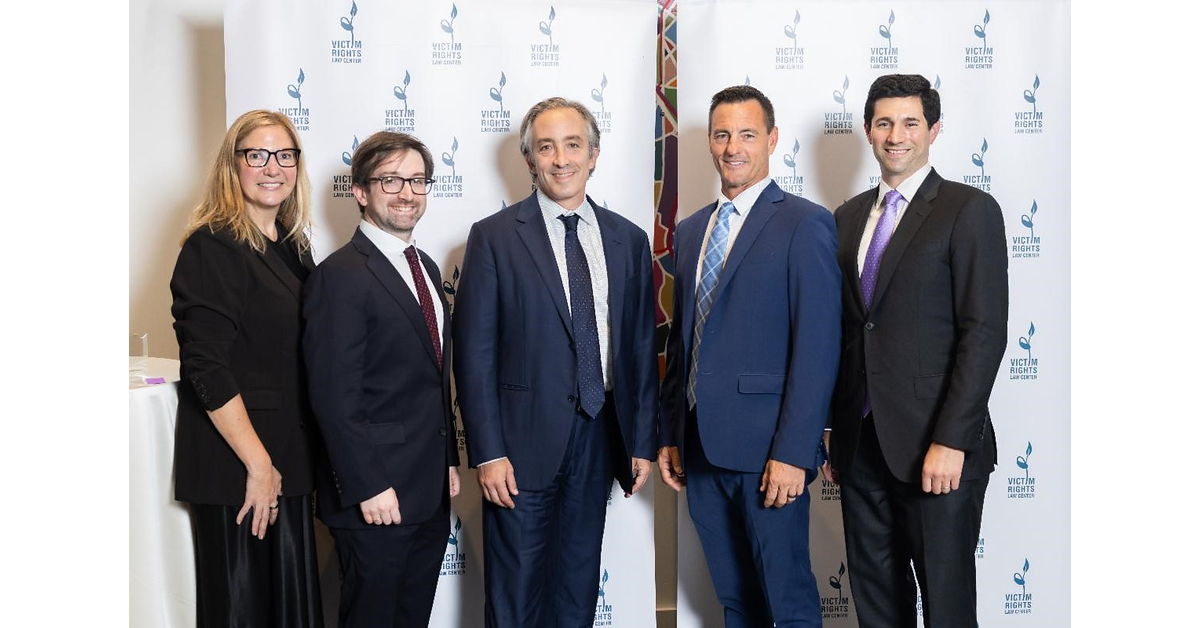
Glenn Agre Bergman & Fuentes received the Victim Rights Law Center’s 2026 Champion Award for representing three students and their families and the VRLC in a Department of Education lawsuit. The case challenged the closure of seven regional Office for Civil Rights offices and mass employee terminations; a federal court issued a preliminary injunction, and the government later agreed to rehire terminated employees and reopen the offices.
Analysis
This is principally reputational news for a private law firm, not a new court or policy catalyst. The award may modestly support referrals in civil-rights and education litigation, but there is no disclosed revenue, case pipeline, or financial measure to translate that into a public-market trade. The more relevant mechanism is institutional: judicial limits on abrupt agency staffing cuts can raise the execution cost of future efforts to weaken civil-rights enforcement, while leaving the underlying scope and durability of enforcement dependent on later litigation and administrative decisions.
For public investors, any spillover is indirect. If OCR capacity is durably restored, schools and districts may face more investigations and compliance demands; that could support demand for specialist legal or compliance services, but the article does not establish a broad or near-term earnings effect. The key uncertainty is implementation, not the award: staffing, case throughput, and the status of the injunction or settlement would be more informative than advocacy recognition. Over the next 1–3 months, look for material court or Department actions; over 6–18 months, assess whether enforcement activity actually recovers. A renewed staffing reduction upheld by courts, or persistently low case throughput despite office reopening, would weaken the institutional-restraint thesis. No listed company exposure is identified, and there is insufficient evidence for a directional trade.
AllMind Terminal
AI-powered research, real-time alerts, and portfolio analytics for institutional investors.
Request TrialMarket Sentiment
Overall Sentiment
mildly positive
Sentiment Score
0.25
Key Decisions for Investors
- No trade on the award itself: the firm is private, and the announcement supplies no evidence of a material change in earnings or publicly traded-company fundamentals.
- Track court filings and Department of Education staffing/case-throughput data as the relevant catalysts; distinguish nominal office reopening from a measurable recovery in enforcement capacity.
- Treat education compliance and legal-services spillovers as a watch item, not a sector call, until evidence shows sustained increases in investigations, district spending, or service-provider revenue.
- Reassess the thesis if subsequent court action permits renewed staffing reductions or if OCR case activity fails to recover over the next 6–18 months.
More News
- Contagion Fears in European Markets over France Fiscal Woes
- Brazil Election: Bolsonaro Pushes Lula to Brink as Markets Set to Rally
- Stocks Get Tech Lift Despite Renewed Bond Losses
- Trump blames Democrats and Ukraine for soaring US fuel prices, not Iran war
- Brazil markets expected to jump after Bolsonaro outperforms polls, analysts say
- Nvidia's $20 billion Groq deal faces lawsuit alleging startup's stockholders were shortchanged