
MICROIP and AQLS Draw Defense, Healthcare and Energy Demand for NDAA-Compliant AI Drones at Taiwan Expo USA
Source: PR Newswire
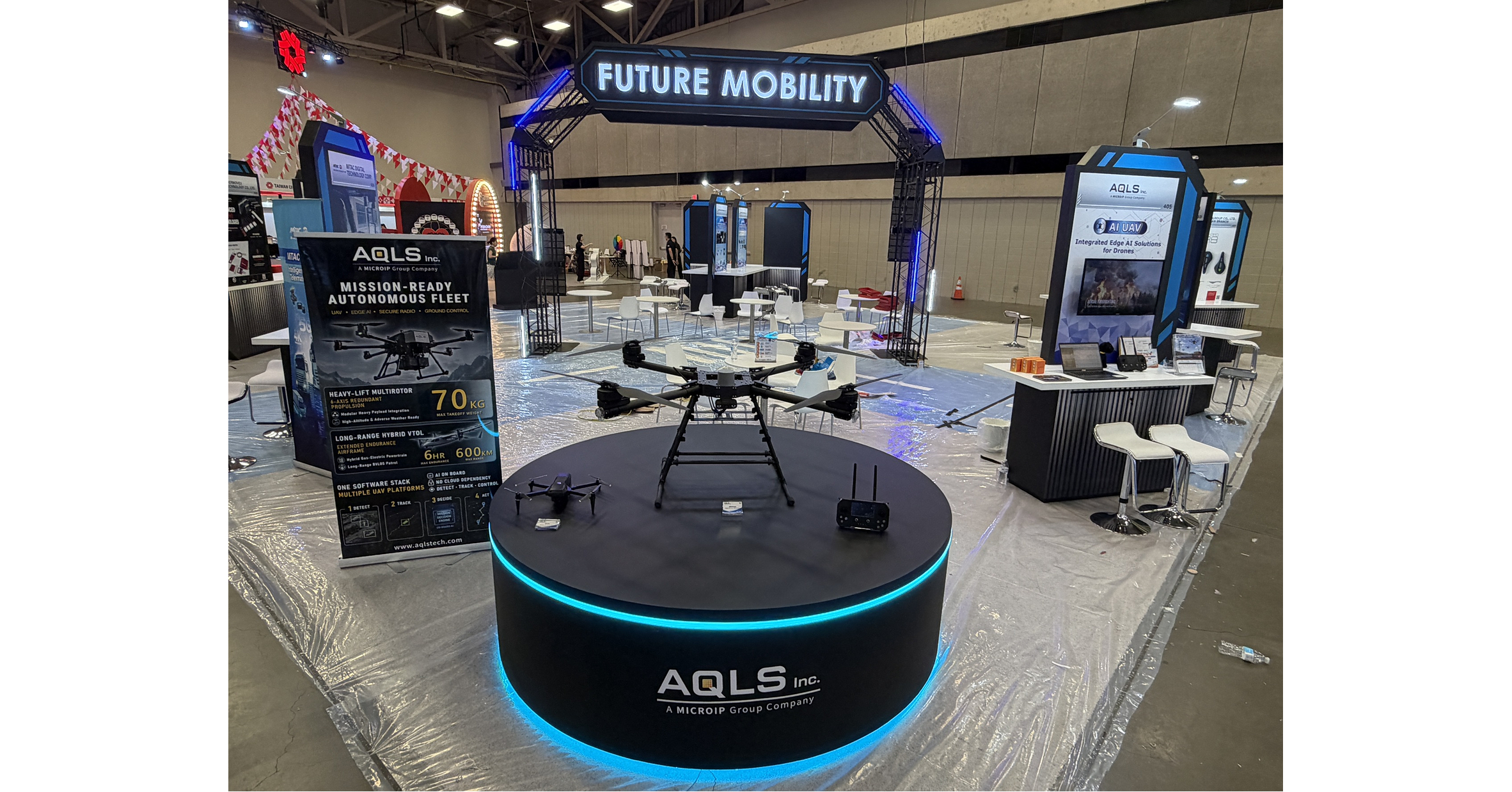
At Taiwan Expo USA 2026, MICROIP and group company AQLS engaged with more than 100 organizations and reported commercial inquiries across defense, healthcare and energy. AQLS presented NDAA-compliant AI drone systems spanning 600-gram to 41.5-kilogram platforms, with discussions including a pipeline-inspection alliance and demand for more than 100 drones carrying 10-kilogram payloads. MICROIP also received order and partnership inquiries for its edge-AI products and custom ASIC services; the article reports interest and discussions, not confirmed orders or investment commitments.
Analysis
MICROIP/AQLS’s key potential advantage is system integration, not the airframes: if its software stack and compliant components reduce the time and cost of qualifying a drone fleet, it could win as a niche supplier to integrators and public-sector contractors. That would pressure hardware-only vendors and raise the value of trusted component sourcing, but it is not yet evidence of a durable moat against established suppliers such as AeroVironment, Red Cat, or private competitor Skydio.
The main underwriting issue is conversion. Expo meetings, inquiries, and discussions are not awards or recognized revenue; government procurement, cybersecurity review, export controls, and field testing can stretch timelines. The “NDAA-compliant” claim should be checked against the specific platforms, component bills of materials, and applicable procurement requirements. The South Asian 100-unit inquiry and pipeline alliance are prospective demand, not committed orders. Treat investor interest and management’s growth claims as promotional until supported by disclosed contracts, backlog, or financial results.
Near term, the release is unlikely to justify a valuation change on fundamentals alone. Over 1–3 months, named tenders, signed commercial contracts, and evidence of delivery economics are the catalysts. Over 6–18 months, successful deployment could create recurring software, maintenance, and integration revenue; failure to convert would leave the group exposed to custom-project costs and larger competitors. Geopolitical or export-control changes could also complicate the Taiwan-linked supply chain.
AllMind Terminal
AI-powered research, real-time alerts, and portfolio analytics for institutional investors.
Request TrialMarket Sentiment
Overall Sentiment
mildly positive
Sentiment Score
0.35
Key Decisions for Investors
- No trade on the expo announcement alone: treat it as a lead-generation signal, not booked demand. MICROIP and AQLS have no supplied ticker mapping, so do not infer a tradable listing from the release.
- Place AQLS on a catalyst watch list. Reassess only after a signed tender award or commercial contract, with customer, scope, delivery schedule, and payment terms disclosed; distinguish firm backlog from nonbinding discussions.
- Verify platform-level NDAA eligibility and component provenance, plus any export or cybersecurity approvals. A restriction or exception affecting key radios, payloads, or aircraft would undermine the claimed procurement edge.
- Falsification watch: if subsequent company disclosures do not convert the cited discussions into orders, or show delayed deliveries and weak repeat demand, discount the turnkey-system thesis and treat the event-driven interest as promotional rather than a durable revenue catalyst.
More News
- Security researcher claims to they found KVM guest-host escape flaw
- CH Robinson to Buy RXO for $5.8B in Bet on AI Model
- Nike’s China troubles: What are the implications for other sportswear brands?
- SpaceX stock climbs to highest since June, returning Musk to trillionaire status
- Schneider Electric drops $22.6B on PTC as datacenter boom rains money on infra companies
- BOJ may signal underlying inflation has hit 2% goal, sources say