
UK Mulls Removing Standing Charges From Gas Bills, Burnham Says
Source: Bloomberg
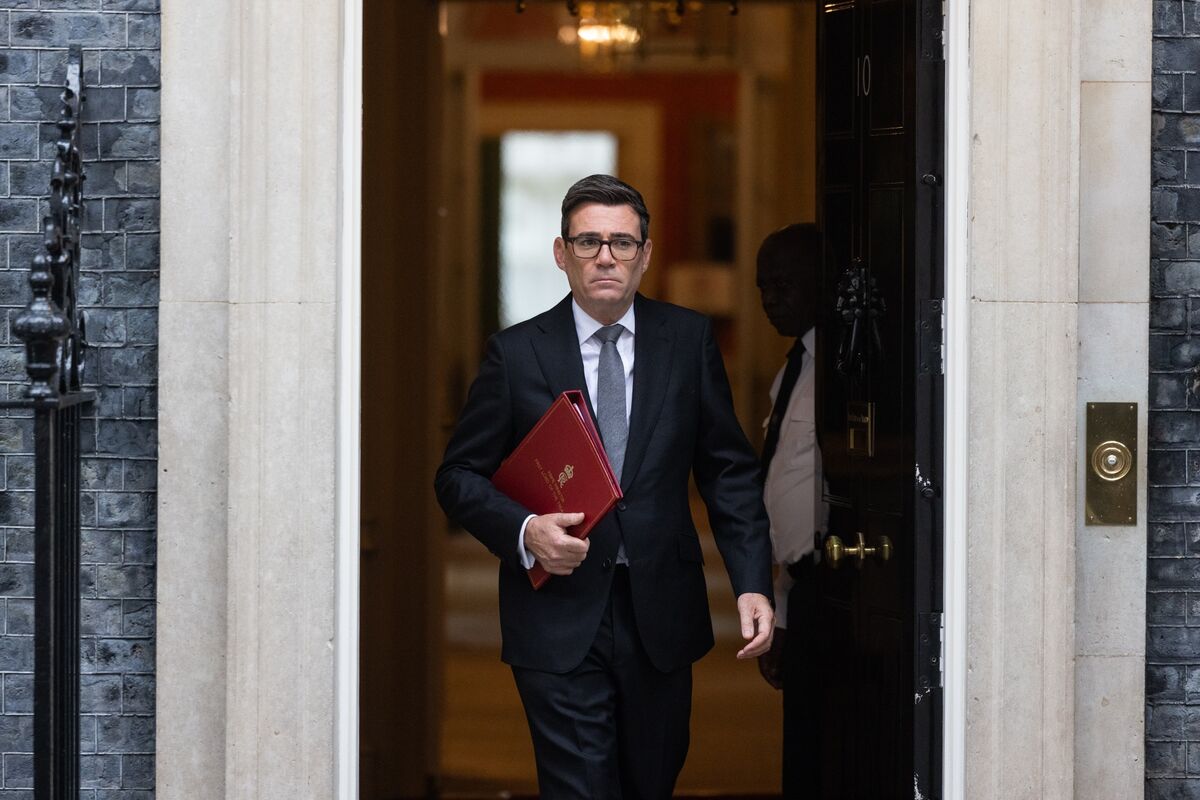
UK Prime Minister Andy Burnham said he asked the chancellor and energy secretary to assess removing standing charges from gas bills to lower consumer heating costs. The proposal is under review, with officials asked to report back to Parliament at the earliest opportunity; no savings amount or implementation decision was given.
Analysis
The investable issue is cost allocation, not cost elimination. Removing a fixed gas-bill charge would benefit low-use households if the cost is waived or shifted to taxpayers; if suppliers recover it through higher per-unit rates, the policy mainly redistributes bills toward high-use households and does little for aggregate supplier economics. Network and system costs still have to be funded, so the design and Ofgem’s treatment in the price cap matter more than the announcement.
Near term (days), this is a political signal, not an earnings event. Over 1–3 months, watch for a formal proposal specifying who absorbs the charge, whether unit rates or public funding compensate suppliers, and how implementation aligns with price-cap reviews. A supplier forced to absorb unrecovered costs could face margin pressure; a revenue-neutral rebasing would be largely neutral for suppliers while changing household incentives. Over 6–18 months, a higher marginal unit price could encourage conservation and efficiency investment, but would also make bills more exposed to wholesale gas volatility.
The contrarian point: headline bill relief may be visible while the underlying system cost is merely moved to another payer. The signal is too preliminary for a directional trade in UK energy suppliers, including Centrica. Reconsider if policy detail shows unrecovered supplier costs or a durable shift in demand; absent that, this is a monitoring item rather than a trade.
AllMind Terminal
AI-powered research, real-time alerts, and portfolio analytics for institutional investors.
Request TrialMarket Sentiment
Overall Sentiment
mildly positive
Sentiment Score
0.10
Key Decisions for Investors
- No immediate position: treat the statement as a proposal, not a confirmed change to supplier cash flows or household energy costs.
- Set an alert for the government’s response and Ofgem’s next relevant price-cap methodology. Verify whether removed charges are funded publicly, absorbed by suppliers, or recovered through unit rates before trading UK energy suppliers.
- If suppliers are required to absorb costs without price-cap compensation, reassess for relative underperformance in exposed retailers; falsify that thesis if the final framework provides full, timely recovery.
- Track the distributional detail: a shift into unit rates could hurt high-use households and increase conservation incentives, while a taxpayer-funded waiver would instead transfer the burden to public finances.
More News
- Meta put out an ambitious roadmap to Muse monetization after strong quarter and guide
- Jio IPO Sees Overwhelming Demand on Day One Even as Nifty Struggles
- One killed, eight injured in attack on Saudi Arabia’s King Fahd airport
- Meta ordered to pay $25 billion in case related to Cambridge Analytica scandal
- US orders departure of personnel from Saudi Arabia, citing Houthi threat
- Sovereign wealth funds' China and Hong Kong investments surge 190% after a bruising slump
From AllMind Research
- Anthropic IPO Preview: Valuation, Timing, and What to Watch
- Shein After the IPO: Venue, Valuation, and What Must Be Proved
- What AI Research Tools Should a Small Hedge Fund Buy First?
- AI Software for Buy-Side Teams: Build the Research Stack
- Augmented Intelligence: AllMind, Elevate Human Judgement With an Accessible, Powerful, Data-Driven Financial AI Toolkit