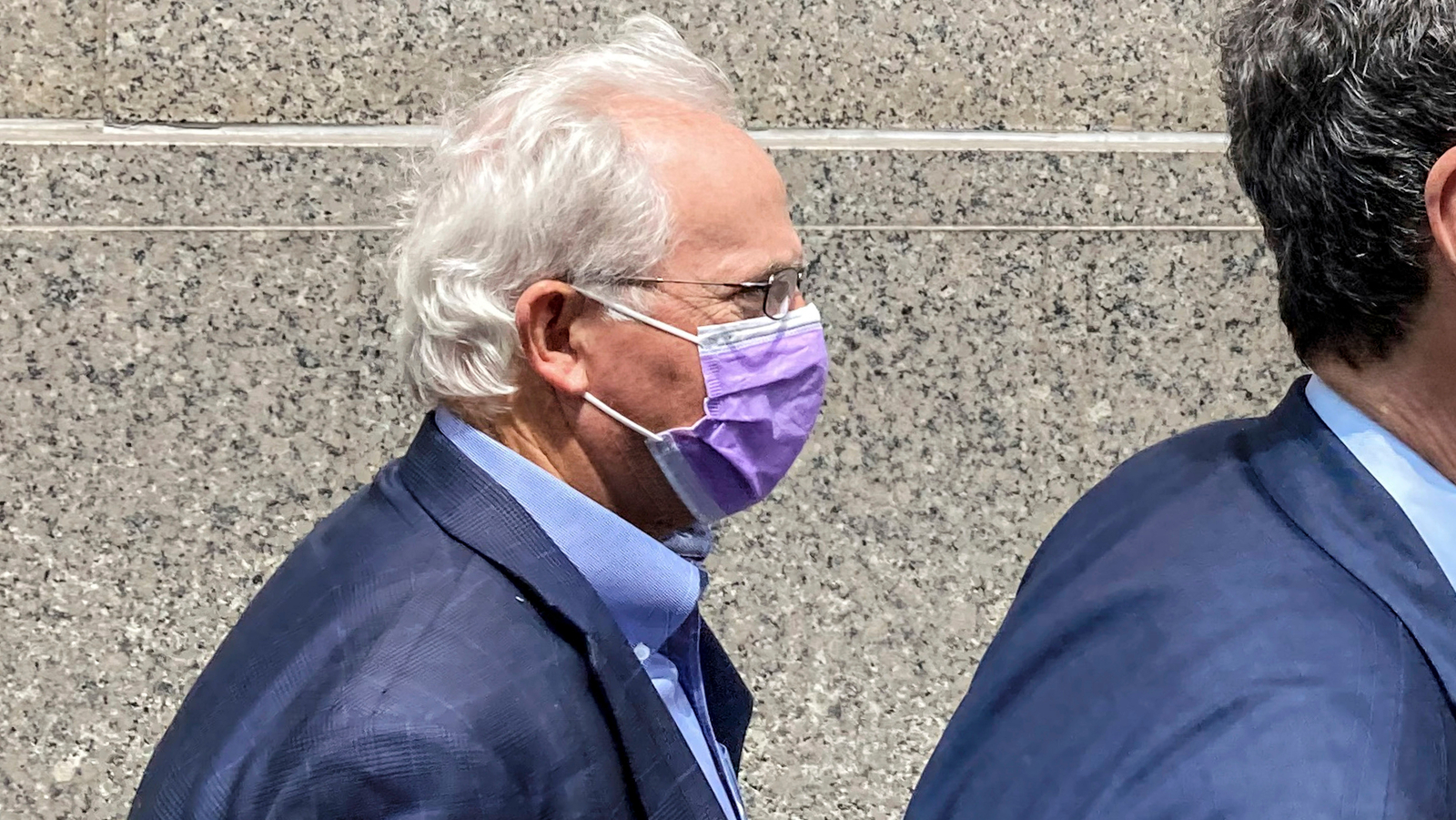
President Trump issued a full, complete, and unconditional pardon to former Rep. Stephen Buyer, who was sentenced to 22 months in prison in 2023 for illegal stock trades based on inside information. Buyer had been ordered to forfeit more than $350,000 and pay a $10,000 fine; the Supreme Court rejected his appeal in May. The pardon is politically notable but carries limited direct market impact.
This is less about one former legislator and more about the market pricing of enforcement intensity. A high-profile pardon after a fully adjudicated insider-trading case weakens the perceived expected penalty for political and advisory roles, which matters most at the margin for sectors where executives, consultants, and lobbyists sit close to nonpublic deal flow. The second-order effect is not a broad lift in “corruption” risk premia, but a subtle increase in the value of information access for politically connected intermediaries, especially in M&A, healthcare, defense, and regulated industries.
The immediate investable implication is sentiment around deal-related enforcement, not fundamentals. If market participants infer that politically connected actors can more credibly externalize legal risk, the compliance discount on advisor-heavy business models may narrow, while the odds of episodic enforcement headlines rise for firms with obvious Washington exposure. That supports dispersion trades: companies with clean governance and low political entanglement should command a relative premium, while names with a history of lobbying-driven revenue may face a higher litigation overhang in the next 3-12 months.
A contrarian read is that the signal may be overinterpreted: pardons do not erase convictions, and the real deterrent still comes from SEC/DOJ process risk, career damage, and loss of licenses. The broader market likely shrugs unless this becomes a pattern; if it does, the more important channel is not insider trading itself but the normalization of opaque influence around merger timing and regulatory approvals, which can widen bid-ask spreads in event-driven names and reduce confidence in deal integrity.
Catalyst-wise, watch for any follow-on pardons, public criticism from institutional investors, or enforcement statements from the SEC that reassert deterrence. Over the next few weeks, the trade is mostly a reputational and policy-risk fade; over months, the relevant question is whether this increases the incidence of politically mediated deal chatter and selective leaks, which would favor catalysts-driven volatility strategies over passive exposure.
AI-powered research, real-time alerts, and portfolio analytics for institutional investors.
Request TrialOverall Sentiment
neutral
Sentiment Score
0.00
