
Beko lets the numbers tell the story of easier everyday living
Source: PR Newswire
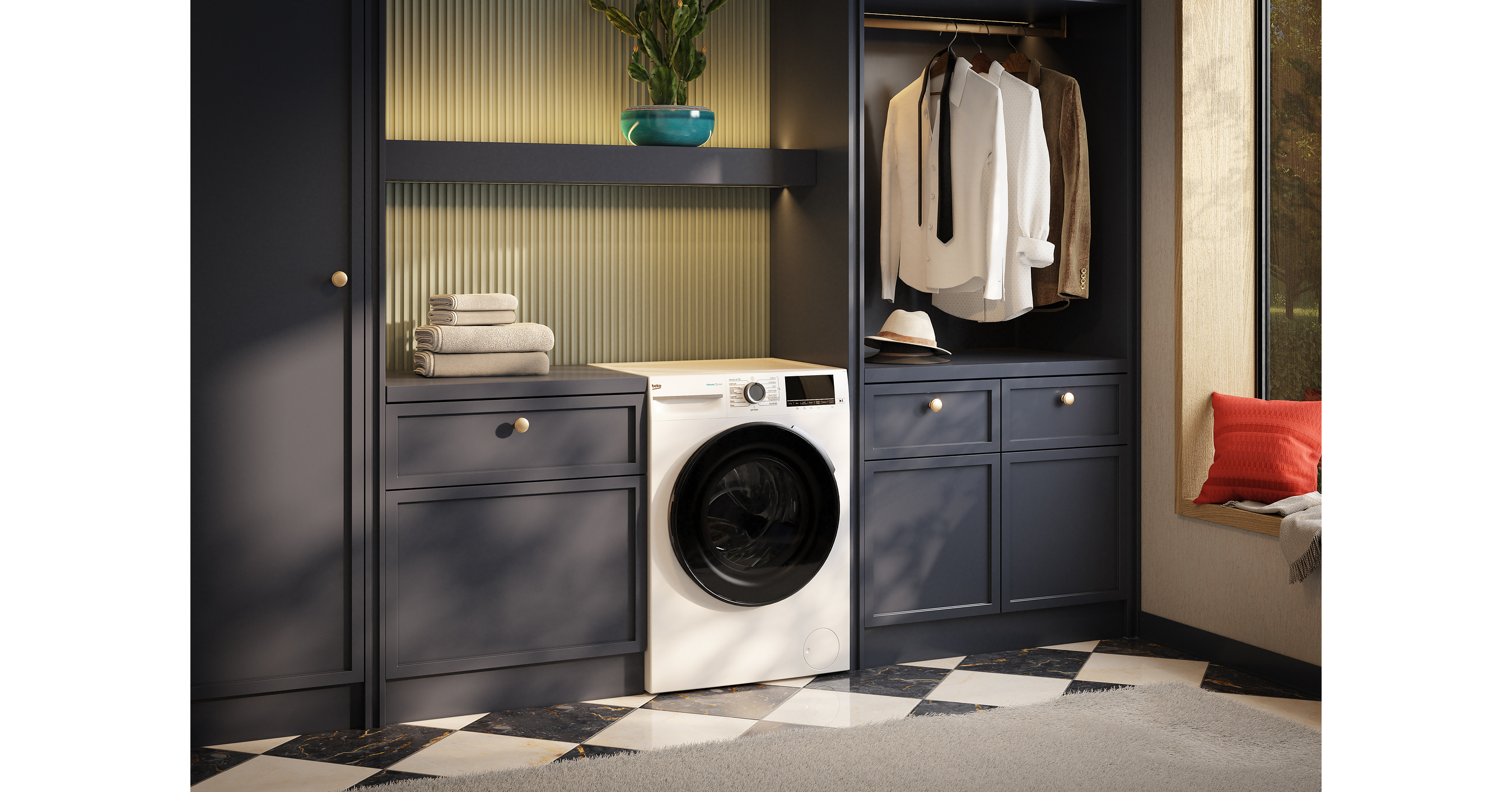
Beko (Arçelik) and its brands showcased new home-appliance technologies aimed at measurable efficiency gains: Ultimate40' laundry cycles claim the same full-load cleaning in 40 minutes and up to 35% lower time and energy use, while PyroPro self-cleaning ovens use a 420°C 59-minute cycle with up to 47% less energy versus standard pyrolytic. Refrigeration updates also claim 30% longer food freshness via AeroFlow™, while Whirlpool’s laundry claims 60% higher efficiency versus A energy-class models and Hotpoint highlights gentler drying (up to 2x) plus a 3-minute pizza function. The article is promotional with performance metrics, suggesting modest upside for brand positioning and demand but no direct financial guidance or trading catalysts.
Analysis
This reads more like a positioning statement than a near-term fundamental re-rating. In appliances, “innovation” only becomes monetizable when it lifts retailer shelf space, ASPs, or lowers warranty/service costs; otherwise it is mostly marketing noise. The incremental winner is the firm that can convert efficiency claims into premium mix without adding too much manufacturing complexity. That is a bigger strategic threat to commodity middle-tier players like WHR than to truly premium brands, because the battleground is now feature parity plus energy compliance rather than raw cleaning performance.
The first-order market reaction should be small, but the second-order effect is on channel economics: if consumers accept these features as table stakes, incumbents must spend more on R&D and promotion just to hold share, which compresses gross margin before volume benefits show up. Over 1-3 quarters, the key catalyst is retailer sell-through and warranty accruals, not the press release itself. If these products do not translate into mix improvement, the innovation spend becomes a drag; if they do, the upside is modest but durable because appliance replacement cycles are long.
Contrarian view: the market may be underappreciating how energy-label and food-preservation claims can matter in Europe/MENA where utility costs and regulations influence purchase decisions, but it is likely overestimating how much consumers pay for incremental feature upgrades. For WHR, the real falsifier is visible share loss or margin pressure in the next two earnings cycles; absent that, the stock should not be traded aggressively on this headline alone. The best read-through is a watch item on premiumization, not an outright bullish signal.
AllMind Terminal
AI-powered research, real-time alerts, and portfolio analytics for institutional investors.
Request TrialMarket Sentiment
Overall Sentiment
mildly positive
Sentiment Score
0.25
Ticker Sentiment
Key Decisions for Investors
- No immediate directional trade in WHR; wait for channel checks or the next quarter's ASP/gross margin data before taking exposure.
- If WHR trades up 2-4% on the headline without confirmed retailer sell-through, fade the move tactically via a short-term short or by selling covered calls; stop out if management later shows mix improvement.
- Relative-value watch: long HD / short WHR for 1-3 months if housing activity remains soft and the appliance channel shows premiumization without broad volume growth.
- Set an alert on WHR for the next earnings cycle: if gross margin expands and warranty/service expense stays flat, the thesis of innovation-driven share loss is weakened.
More News
- 'MASSIVE ECONOMIC DAMAGE': 17 States FIGHT Wall Street's ESG standards
- Indonesian stocks plunge to six-year low as MSCI downgrade fears mount
- Putin reportedly suggests summit with Trump and Xi to decide fate of Ukraine
- Ukraine launches over 1,000 drones at Russia, setting oil facilities ablaze
- China's CXMT sees shares drop over 6% as investors look past chipmaker's profit turnaround
- Trump defends Russian sanctions relief, lashes out at Zelenskyy
From AllMind Research
- Anthropic IPO Preview: Valuation, Timing, and What to Watch
- Shein After the IPO: Venue, Valuation, and What Must Be Proved
- What AI Research Tools Should a Small Hedge Fund Buy First?
- Weekly Update: Adding Live MBO Level 3 Data - Liquidity Heatmap, OFI Charts, and More
- Alternative Data Due Diligence for Institutional Investors