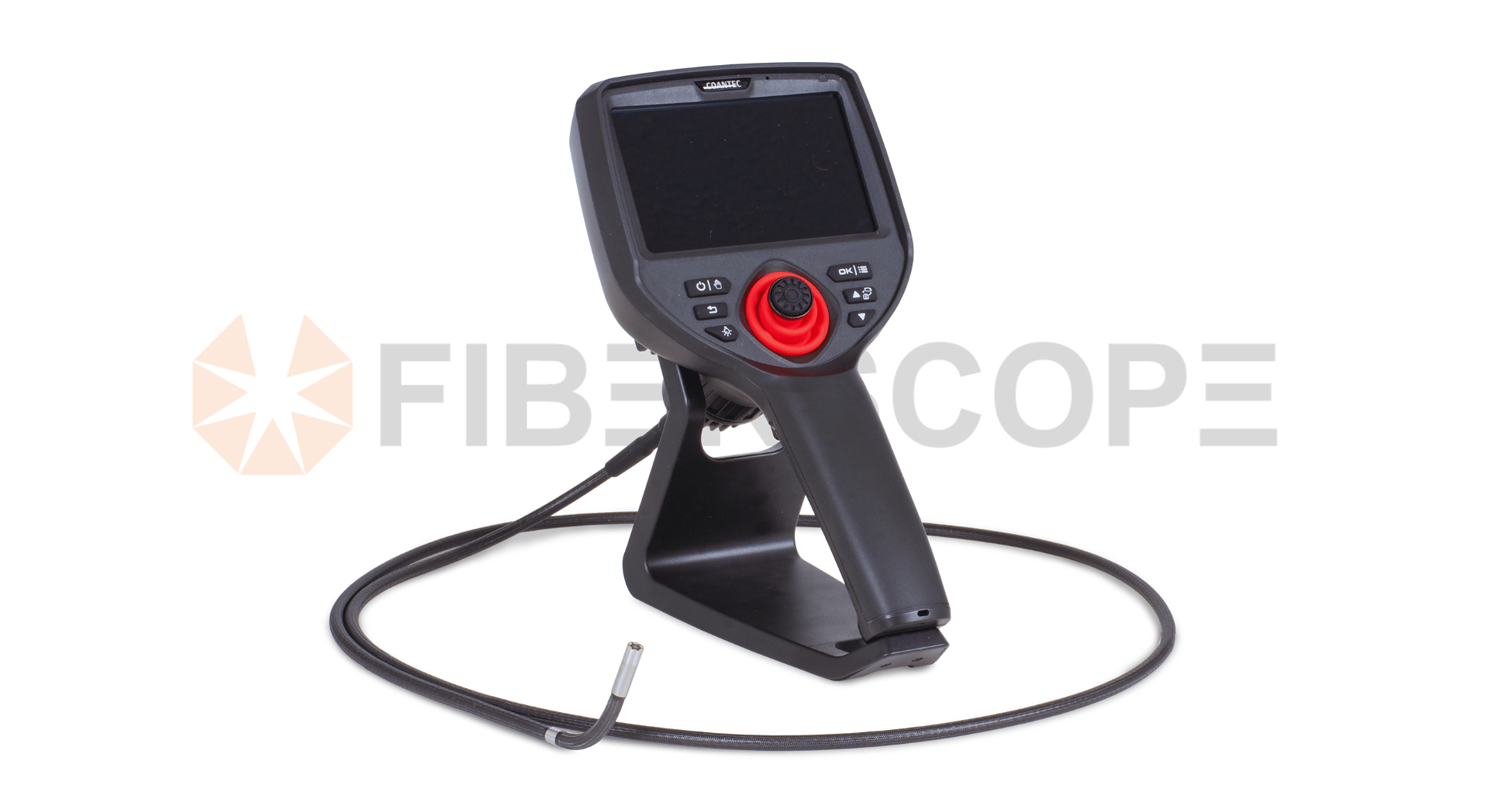
Fiberscope announced the VOYAGER M40 industrial video borescope as a portable HD inspection platform aimed at reducing teardown work by quickly identifying hidden defects. The product features a tool-free quick-release probe system with improved thermal performance (3x vs standard connectors), a 5-inch 700-nit touchscreen (800×480) with 4× zoom, a 0.95mm–6.0mm probe range, and up to 4 hours operation from a removable 5000mAh battery. It also supports IP68 waterproof/submersible probes and on-image documentation (photo/video, time watermarking, and live annotations) for faster, clearer reporting.
This is not a clean stock catalyst; it reads more like a capability upgrade in industrial maintenance. The real economic benefit is not the borescope itself, but the reduction in diagnostic latency: fewer teardown hours, faster return-to-service, and less labor tied up in “find/fix/verify” loops. That tends to favor asset-heavy end markets with high downtime costs—aviation MRO, power generation, petrochemicals, and midstream—more than the inspection hardware vendor itself.
The second-order winner is likely workflow and service-layer providers, not point hardware. Once field teams can document defects on the spot, inspection becomes a data capture problem, which increases the value of software, asset management, and service contracts. Over 6–18 months, that can modestly support names with installed bases in test/measurement and industrial instruments; over days, there should be little equity market read-through unless a public company explicitly cites inspection throughput gains in guidance.
The contrarian view is that the productivity gain may be overestimated. In many plants, the bottleneck is not seeing the defect but scheduling repairs, parts, and labor; better imaging can even increase discovered defects and near-term maintenance spend. If this tool shortens outages, it can actually raise utilization and reduce demand for emergency premium pricing from outside contractors, which is a headwind for some industrial services names if the adoption becomes widespread.
For risk framing, the near-term thesis is weakest if macro capex slows or if customers defer maintenance spending; the longer-term thesis strengthens if regulatory scrutiny in aviation, chemicals, or energy pushes more condition-based inspection. The key falsifier is not product launch quality but whether public industrials start reporting higher inspection throughput, lower unplanned downtime, or longer asset life—without that evidence, this is mostly a niche workflow improvement, not an earnings event.
AI-powered research, real-time alerts, and portfolio analytics for institutional investors.
Request TrialOverall Sentiment
neutral
Sentiment Score
0.10
